Introduction: A Clash of Powers
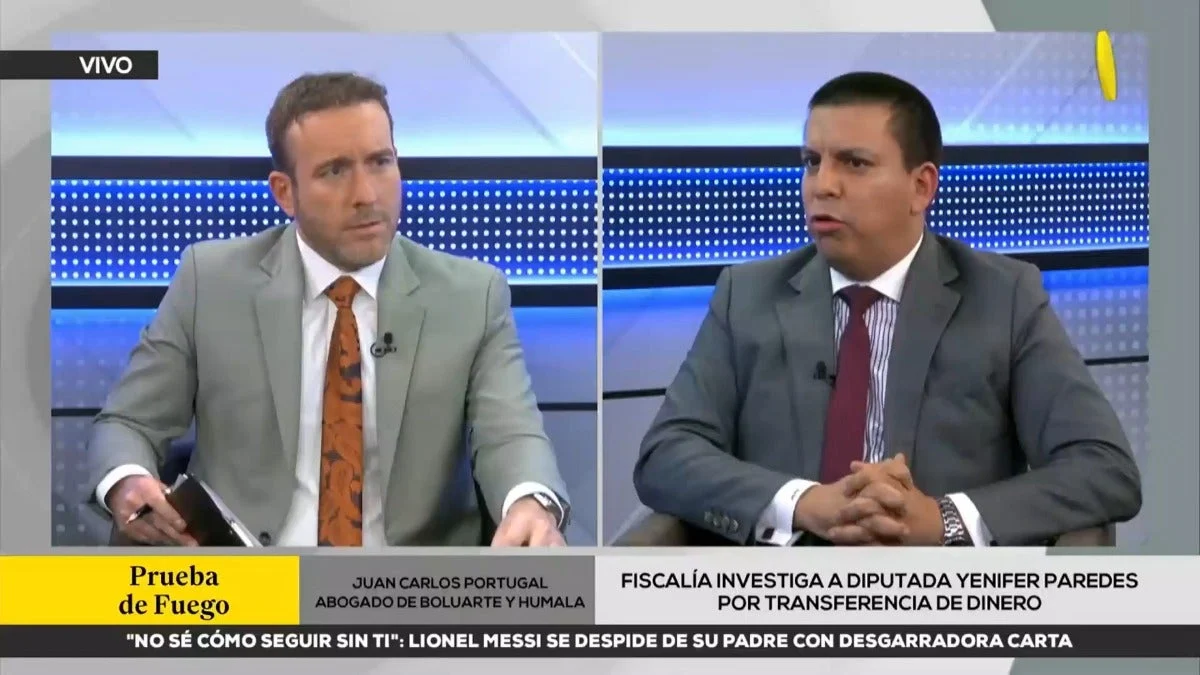
The political landscape in Peru remains deeply polarized as the legal defense for former President Dina Boluarte clashes with legislative efforts to revisit the turbulent period of late 2022 and early 2023. Juan Carlos Portugal, the lead attorney for the former head of state, has launched a blistering critique against the "Ahora Nación" congressional caucus. Their recent proposal to establish a specialized investigative commission into the deaths that occurred during the nationwide protests has been dismissed by Portugal as a performative act of "political vengeance."
As the judicial system continues its own inquiries, the tension between the legislative mandate to oversee national crises and the defense’s insistence on judicial exclusivity highlights the fragile state of democratic accountability in Peru.
The Core Conflict: Why a New Commission?
The "Ahora Nación" caucus, led by lawmakers seeking to address the human rights crisis that followed the ouster of Pedro Castillo, argues that the official narrative and current judicial proceedings are insufficient to address the breadth of the tragedy. Their proposed commission aims to investigate the chain of command, the tactical deployment of security forces, and the political decisions that led to dozens of civilian casualties.
However, Juan Carlos Portugal’s stance is uncompromising. Speaking on the RPP program Prueba de Fuego, Portugal characterized the move as a desperate bid for political relevance. "Those who are going to form that commission need to pay off political favors to those who supported them during their campaigns," Portugal stated. He framed the initiative not as a search for truth, but as a mechanism for "political justice," which he defined as the highest expression of hatred within a democratic system.
The Question of Legal Efficacy
Central to Portugal’s argument is the claim that a legislative commission would be legally redundant. He posits that since the Public Prosecutor’s Office (Fiscalía) is already conducting a formal criminal investigation into the events, any report produced by Congress would hold no legal weight.
"The purpose, in the hypothetical case that they find some type of responsibility, will not have any legal consequence," Portugal argued. "They will send the document to the Prosecutor’s Office, and the prosecutors will simply say, ‘Thank you.’" According to the defense, the legislative process risks muddying the waters of an ongoing, technically rigorous judicial investigation with partisan rhetoric.
Chronology of the Crisis: 2022–2023
To understand the gravity of these political maneuvers, one must look back at the sequence of events that defined the Boluarte administration’s early months.
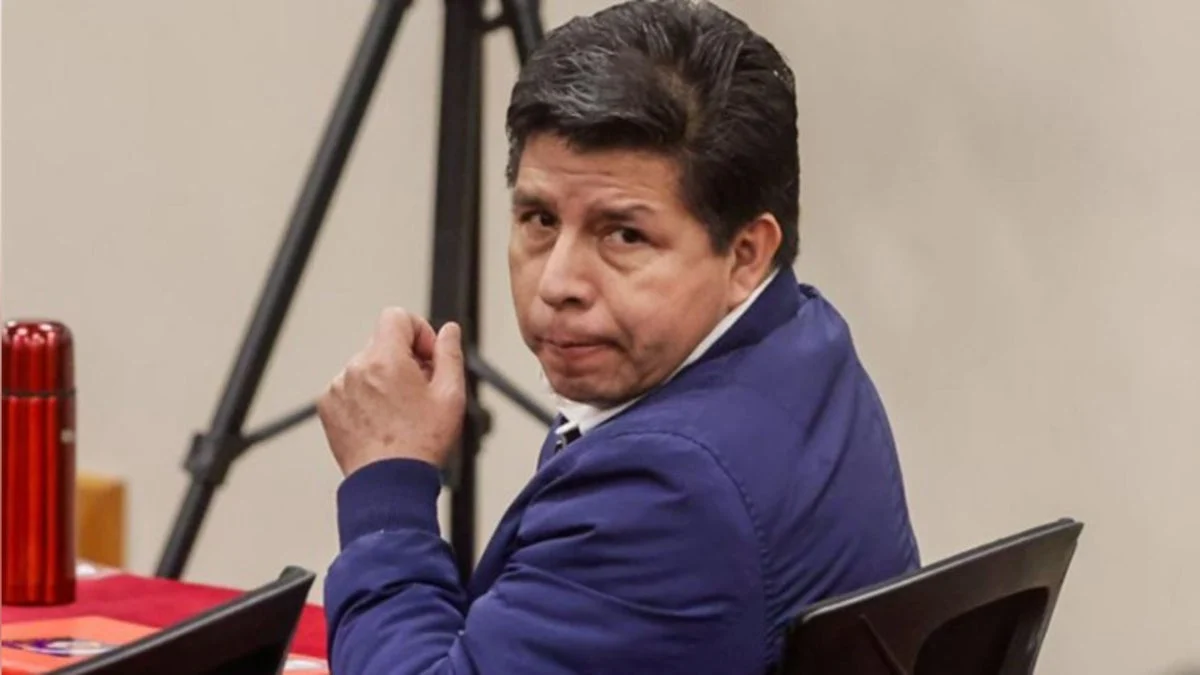
- December 7, 2022: Pedro Castillo is removed from office by the Peruvian Congress following his failed attempt to dissolve the legislature. Dina Boluarte, then Vice President, assumes the presidency by constitutional succession.
- December 2022 – January 2023: Massive protests erupt across the country, particularly in the southern regions of Ayacucho, Puno, and Apurímac. Demands include the resignation of Boluarte, the dissolution of Congress, and the calling of early general elections.
- January 2023: The intensity of the protests leads to violent clashes between demonstrators and security forces. Human rights organizations, including Amnesty International and the Inter-American Commission on Human Rights (IACHR), document excessive use of force and report significant loss of life.
- Mid-2023 to Present: The Public Prosecutor’s Office initiates formal investigations into Boluarte and her cabinet members regarding the deaths, categorizing the potential crimes as genocide and homicide under a theory of "commissive omission."
- 2024: Legislative efforts, such as the one proposed by "Ahora Nación," emerge as a renewed push for accountability, signaling that the political sector is not satisfied with the pace of the judicial process.
Supporting Data: The Legal Landscape
The legal defense of Dina Boluarte has consistently relied on the premise that the judicial system has already vetted the government’s conduct and found no evidence to warrant restrictive measures.
The Rejection of Judicial Restrictions
Portugal emphasized that Boluarte currently operates without any restrictions on her movement or assets. He pointed to a landmark ruling where the Judiciary rejected a request from the Public Prosecutor’s Office to impose a 36-month exit ban on the former president.
"It is not that there is some form of political protection; the Judiciary gave her the reason," Portugal asserted. He argued that after four years of ongoing investigations—a timeline that encompasses the period leading up to and during her presidency—there is no "basic suspicion" of criminal activity. "There is no criminal case," he maintained, underscoring the defense’s belief that the prosecution’s theories are structurally flawed.
The Command Responsibility Argument
A pivotal element of the public debate is the claim that Boluarte ordered a "specialized command" to repress protestors. Portugal categorically denies this. He argues that there is no evidence linking the former president to the tactical decisions made on the ground by police or military personnel. To the defense, the attempt to bridge the gap between presidential oversight and individual tactical errors is a leap that the law does not support.
Official Responses and Political Implications
The move by the "Ahora Nación" caucus represents a broader sentiment within the Peruvian Congress. Critics of the administration argue that without a parliamentary inquiry, the political responsibilities of the executive branch will never be clearly delineated.
The Risk of Politicizing Justice
The defense team’s rhetoric suggests that they view the proposed commission as a form of "lawfare" directed against their client. By labeling the commission as an instrument of "political hatred," Portugal is attempting to delegitimize the commission before it can even hold its first hearing.
For the government and its supporters, this is a defensive strategy designed to insulate the former president from public opinion. For the opposition, it is a necessary check on power that the current judicial system has failed to perform.
Implications for the Peruvian Judiciary
The conflict also places the Public Prosecutor’s Office in a difficult position. If the legislative commission proceeds, it will inevitably cross paths with the prosecutors’ own evidentiary collection. This creates a risk of conflicting narratives:
- Judicial Path: Focused on individual criminal liability, strictly adhering to evidence codes and due process.
- Legislative Path: Focused on political accountability, systemic failure, and the broader context of social unrest.
The danger, according to legal analysts, is that the overlap could lead to a situation where the political conclusions of the commission are used to pressure the judiciary, or conversely, that the defense uses the legislative process to claim that the entire issue is merely "political," thereby trivializing the human rights concerns.
Conclusion: The Long Road to Closure
The standoff between Dina Boluarte’s legal team and the legislative branch is a microcosm of the deeper instability facing Peru. While Juan Carlos Portugal insists that the legal case is empty and the political one is a vendetta, the families of the victims and various civil society groups continue to demand a truth that transcends the courtroom.
As the political maneuvering continues, one thing remains certain: the events of 2022 and 2023 will remain the primary fault line in Peruvian politics for the foreseeable future. Whether through the slow churn of the judicial system or the volatile heat of congressional inquiries, the nation is struggling to reconcile its past with its present. For now, the defense remains confident in the judiciary’s protection, while the legislature remains committed to the idea that some responsibilities cannot be fully adjudicated by a judge alone.