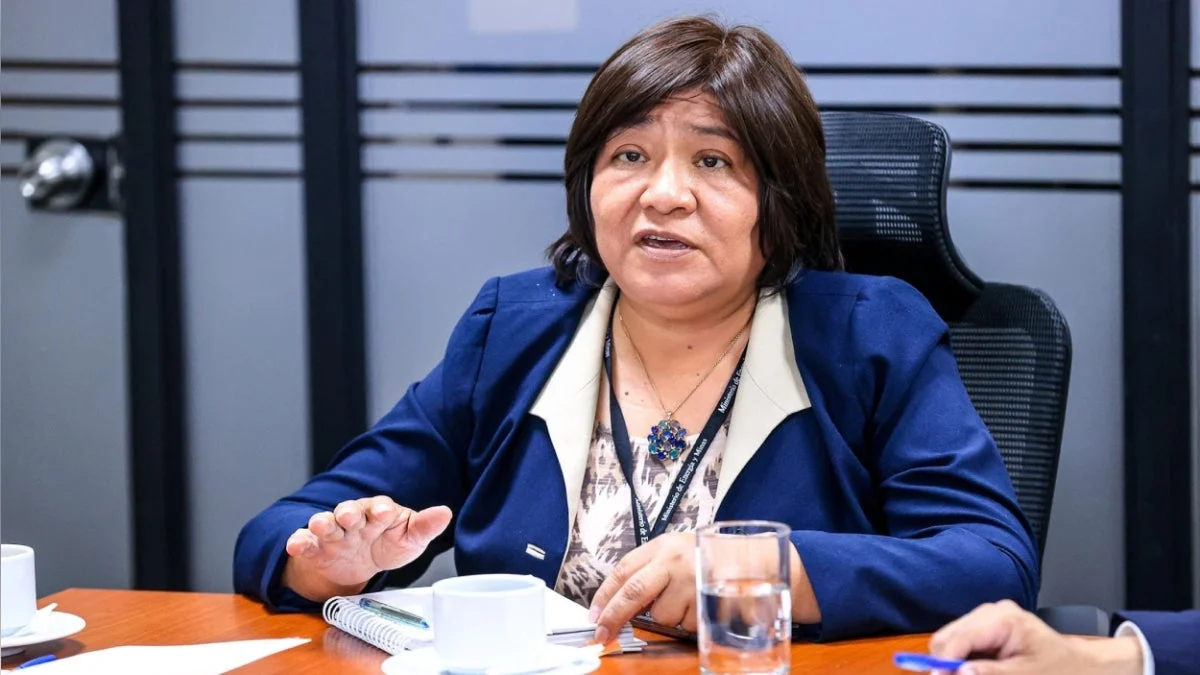
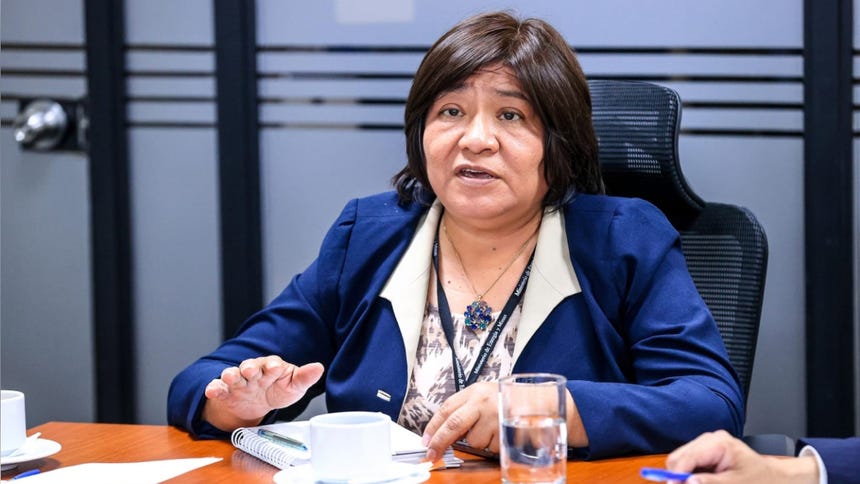
In a significant move aimed at stabilizing the nation’s energy policy, the Peruvian government has officially announced the appointment of Iris Marleni Cárdenas Pino as the new Vice Minister of Hydrocarbons at the Ministry of Energy and Mines (MINEM). Cárdenas, an economist with a deep-rooted history in the public energy sector, steps into the role previously held by Joe Peralta Pérez, marking a return to a position she previously occupied until December 2025.
This transition occurs at a pivotal juncture for Peru’s energy landscape. As the country navigates the complexities of global energy market fluctuations and domestic infrastructure challenges—such as the recent concerns regarding the stability of natural gas supplies—Cárdenas’s return is viewed by analysts as a strategic effort to bring continuity and seasoned expertise to a high-stakes ministerial role.
Core Responsibilities: Navigating the Energy Frontier
The Office of the Vice Minister of Hydrocarbons is a cornerstone of the Ministry of Energy and Mines, operating alongside the viceministerios of Electricity and Mines. Its mandate is both expansive and vital to the national economy. As the primary authority overseeing the sector, Cárdenas is tasked with directing, supervising, and implementing government policies related to the exploration and exploitation of oil and natural gas.
Her purview includes, but is not limited to:
- Regulatory Oversight: Ensuring that exploration and production activities adhere to strict environmental and safety regulations.
- Investment Promotion: Developing policies to attract domestic and foreign capital into the hydrocarbons sector, a critical driver of Peru’s fiscal health.
- Energy Security: Managing the supply chain for natural gas, particularly in light of recent public concerns regarding potential shortages and infrastructure vulnerabilities.
- Policy Formulation: Designing the strategic roadmap for the transition toward a more sustainable energy model, balancing the need for fossil fuels with the nation’s long-term environmental commitments.
A Professional Portrait: The Academic and Technical Credentials of Iris Cárdenas
The reappointment of Iris Cárdenas is underpinned by a robust technical background that spans over two decades of public service. Her profile is characterized by a blend of rigorous academic training and deep institutional knowledge of the Peruvian energy sector.
Academic Background
Cárdenas is a career economist who has consistently sought to expand her expertise through international specialization. She holds a Master’s degree in Economics with a concentration in Quantitative Methods, providing her with the analytical tools necessary for complex market modeling. Furthermore, her academic journey includes doctoral-level studies in Environment and Sustainable Development.
Her international exposure is particularly noteworthy:
- Argentina: Specialized training in energy planning and economics.
- Japan: Advanced studies in energy policy and sustainable energy planning.
- United States: Further professional development in the technical aspects of energy management.
Institutional Track Record
Cárdenas’s career within the Ministry of Energy and Mines is extensive. Before her previous stint as Vice Minister, she held several key directorates, including:
- General Director of Environmental Energy Affairs: Overseeing the mitigation of environmental impacts in the energy sector.
- General Director of Energy Efficiency: Leading initiatives to modernize energy usage across the country.
- Chief of the General Office of Social Management: Managing the often-complex relationships between energy projects and local communities.
- Chief of the Investment Programming Office: Aligning energy infrastructure projects with national budget priorities.
Her corporate experience is equally broad. She has served on the boards of major electricity sector companies, including EGESUR and Electro Puno, and is currently a member of the board of directors at Distriluz. This blend of regulatory, technical, and corporate experience makes her a rare commodity in the public sector—a technocrat who understands both the macro-policy implications and the operational realities of energy companies.
Chronology of Service and Transitions
The trajectory of Cárdenas’s career reflects the volatility and the necessity for continuity in the Peruvian executive branch.
- Initial Appointment (March 2024): Cárdenas was first appointed as Vice Minister of Hydrocarbons under the administration of President Dina Boluarte. Her tenure was marked by efforts to stabilize the sector following periods of economic uncertainty.
- Departure (December 2025): After nearly two years of service, Cárdenas submitted her resignation, which was subsequently accepted by the government. Her departure left a gap that the current administration is now filling by bringing her back to the helm.
- The Interregnum (January 2026 – August 2026): During the eight months following her exit, the sector faced shifting pressures, including concerns over the reliability of natural gas distribution in Lima and surrounding regions.
- Reappointment (August 2026): The current government, seeking to restore confidence and institutional stability, successfully negotiated her return to the post.
Supporting Data: Why Energy Stability Matters
The importance of the Hydrocarbons Vice Ministry cannot be overstated, particularly given the reliance of the Peruvian industrial and residential sectors on natural gas.
The Camisea Factor
The Camisea project remains the backbone of the Peruvian gas industry. However, recent history has shown that the system is susceptible to supply chain disruptions. In mid-2026, consumer advocacy groups voiced significant alarm regarding the potential for sudden gas shortages, noting that the country remained in a precarious position despite previous efforts to bolster infrastructure.
Cárdenas’s experience in the Office of Social Management and her prior work in Planning are expected to be critical in addressing these systemic risks. She is not merely managing a desk; she is tasked with the oversight of a sector that directly influences the cost of living and the competitiveness of Peruvian industry.
The Economic Context
The hydrocarbons sector remains a primary contributor to the national GDP. However, it faces a dual challenge: the need to maintain production levels in mature fields and the requirement to incentivize new exploration in a global market that is increasingly focused on the energy transition. Cárdenas’s background in "Quantitative Methods" and "Energy Planning" suggests a pragmatic approach to these competing interests.
Implications for the Future: What to Expect
The return of Cárdenas is likely to signal a "back to basics" approach for the Ministry of Energy and Mines. Observers expect several key policy shifts in the coming months:
1. Enhanced Social Management
Given her past role as the Chief of the General Office of Social Management, Cárdenas is uniquely positioned to handle the social friction that often accompanies extractive projects. Her focus will likely be on improving the "social license" for new energy projects, ensuring that local communities are stakeholders rather than obstacles.
2. Streamlining Regulatory Processes
The ministry is under pressure to reduce bureaucratic red tape for exploration projects. Her deep familiarity with the internal workings of the Ministry suggests that she may prioritize the optimization of the investment pipeline, potentially accelerating the approval of projects that have been stalled in the administrative backlog.
3. Sustainability and Energy Transition
While Cárdenas’s mandate is the management of fossil fuels, her doctoral studies in "Sustainable Development" imply that she will likely integrate environmental stewardship into the core of her policy decisions. The challenge will be to reconcile the continued demand for hydrocarbons with the international pressure for decarbonization.
Conclusion
The appointment of Iris Marleni Cárdenas Pino as Vice Minister of Hydrocarbons is a calculated move by the Peruvian government to ensure that the management of the country’s most vital energy resources is in steady, experienced hands. By bringing back a former official with an impeccable technical record, the administration is signaling a desire for stability, professional rigor, and long-term planning.
As Peru faces a future defined by the need for energy security and economic development, the role of the Vice Minister of Hydrocarbons has never been more consequential. Whether Cárdenas can successfully navigate the competing interests of industry stakeholders, environmental groups, and the public remains to be seen. However, given her twenty-year trajectory and intimate knowledge of the ministry’s mechanisms, she is as well-prepared as any official in the country to lead this transition. The coming months will be a litmus test for her policy agenda, and all eyes in the energy sector will be on her office as she resumes her pivotal role in shaping Peru’s energy future.