The dream of homeownership is becoming a tangible reality for thousands of families in Lima this year. After a period of stagnation and economic uncertainty, the Peruvian real estate sector is witnessing a robust recovery that experts describe as one of the most significant in the last decade. Driven by a combination of more accessible financing, stable construction costs, and a steady increase in formal household income, the market is currently on track to shatter previous records.
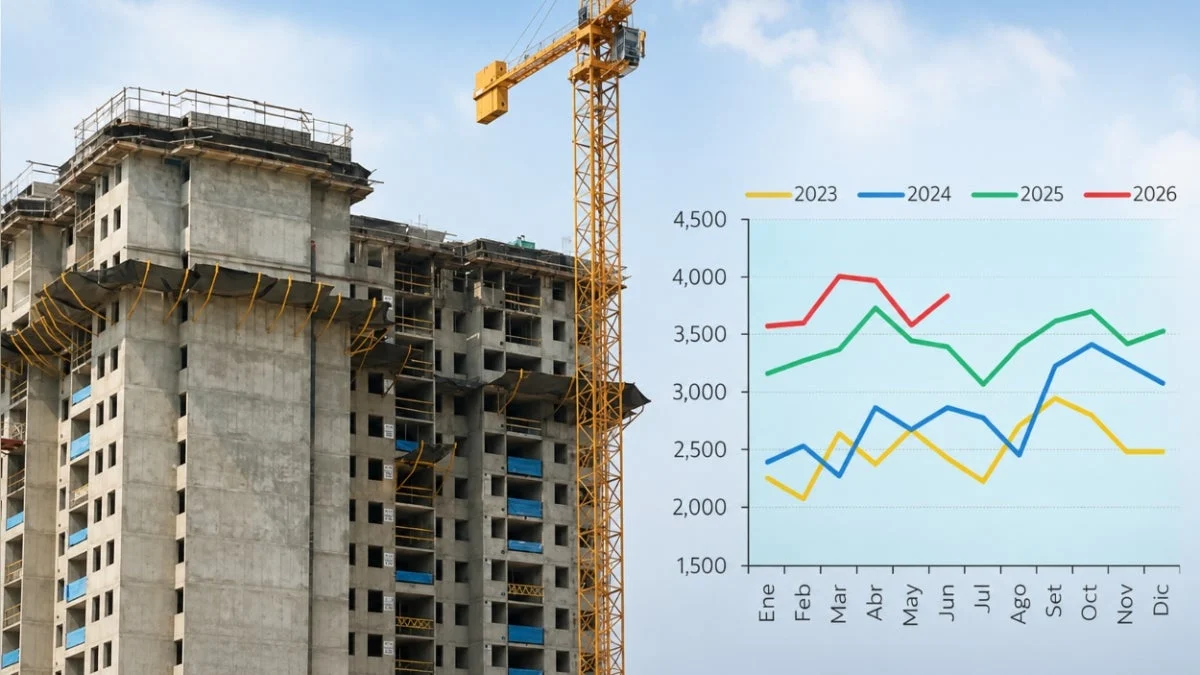
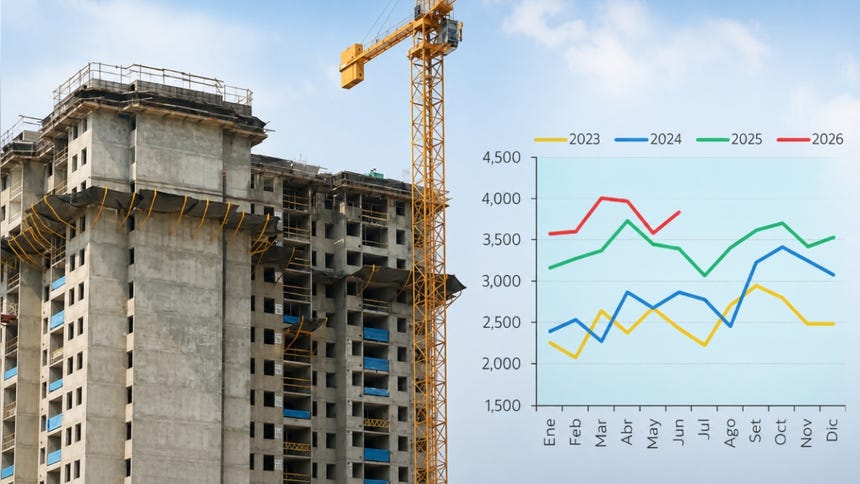
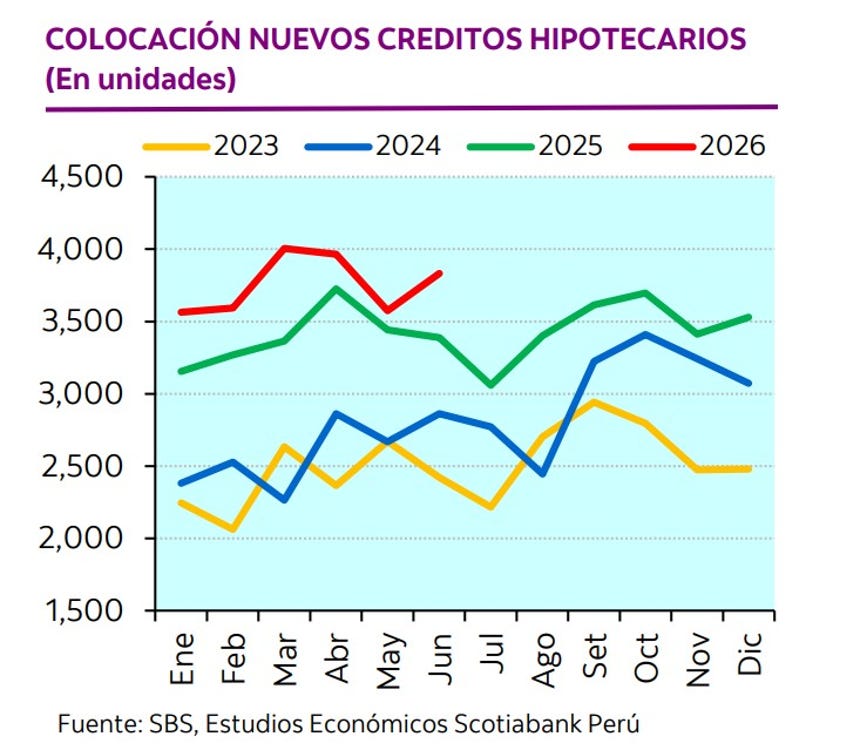
According to the latest projections from Scotiabank, the year 2026 is poised to close with over 28,000 new housing units sold in Lima. This represents an impressive 15% growth compared to the figures recorded in 2025. Simultaneously, the financial sector is responding to this demand by scaling up lending operations; the bank estimates that more than 45,000 new mortgage loans will be granted by the end of the year—a 10% increase over the 41,057 loans issued in 2025. Should these figures hold, 2026 would officially surpass the post-pandemic high of 2021, when 43,882 loans were processed.
A Chronology of Recovery: From Uncertainty to Growth
The trajectory of the housing market in Lima has been a roller coaster over the last six years. To understand the current momentum, one must look at the recent timeline of the sector:
- 2020-2021: The pandemic initially froze construction, but a pent-up demand triggered a record-breaking surge in 2021, fueled by low interest rates and a shift in housing preferences toward larger spaces.
- 2022-2024: High inflation, rising global interest rates, and political volatility led to a contraction in credit and a significant cooling of the market, particularly in the social housing segment.
- 2025: The year acted as a transition period. While the market remained cautious, the groundwork for stabilization was laid as construction costs began to plateau.
- 2026 (The Current Context): The first half of the year has been defined by a sharp acceleration. Data from the Confederation of Real Estate Developers of Peru (Codip) indicates that between January and June, 15,477 units were sold in Lima Metropolitan—an increase of 26% compared to the same period in 2025. This surge confirms that the market has moved past its recovery phase and is now firmly in a cycle of expansion.
Supporting Data: Why the Numbers Add Up
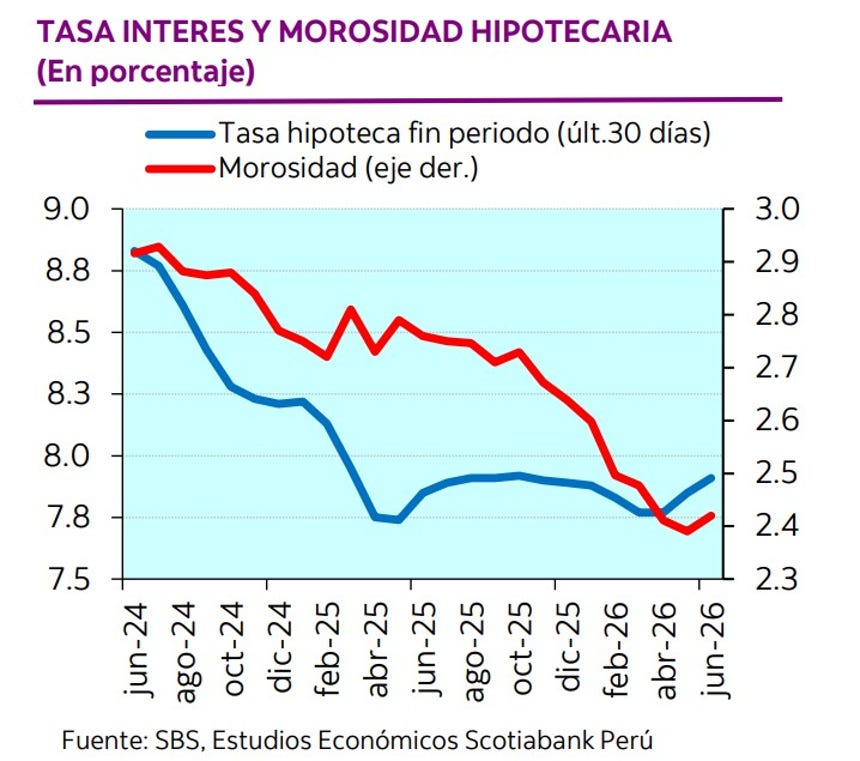
The revitalization of the market is not a result of a single factor but a synergy of macroeconomic variables. One of the most critical drivers is the cost of financing. By the end of July 2026, the average interest rate for mortgage loans across the banking system had dropped to 7.8%. This reduction is fundamental; lower rates decrease the monthly installment burden on families, effectively increasing the purchasing power of the average borrower.
Scotiabank’s analysis attributes this drop in rates to the favorable performance of the 10-year Peruvian sovereign bond, which serves as a benchmark for long-term lending. Furthermore, the supply side has benefited from the relative stability of construction inputs. Material costs grew by a modest 1.8% in the first half of the year, allowing developers to maintain consistent project timelines and price predictability.
Additionally, the strengthening of the local currency against the dollar has played a psychological and practical role. Since a significant portion of the high-end and middle-class real estate market in Lima is priced in U.S. dollars, the recent decline in the exchange rate has effectively lowered the cost of entry for buyers holding soles.
Official Perspectives: The BCR and the "Affordability Gap"
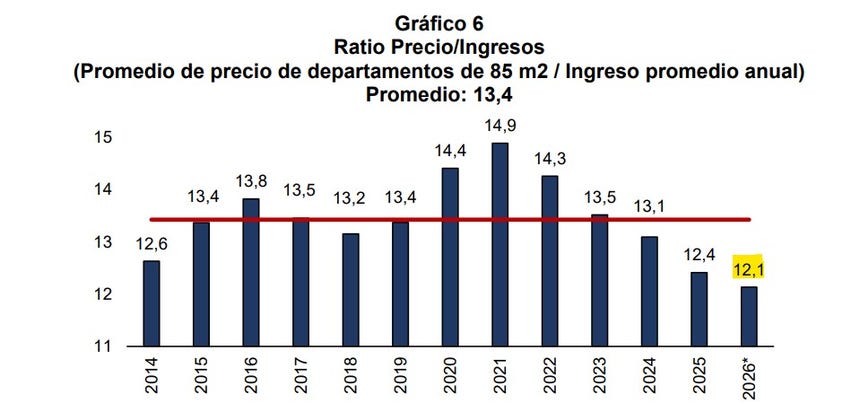
Perhaps the most compelling metric of the current market health comes from the Central Reserve Bank of Peru (BCR). The institution recently reported that it now takes approximately 12.1 years of formal annual income to cover the cost of a standard 85-square-meter apartment. While 12 years is a substantial commitment, it represents the lowest "affordability ratio" since 2014.
This improvement is not necessarily due to a drop in home prices—in fact, the BCR noted that the average price per square meter in the 12 monitored districts (including areas like Miraflores, San Isidro, Surco, and Jesús María) rose by 10.9% compared to the first quarter of 2025. Instead, the improved affordability is driven by a healthy 4.7% year-on-year increase in formal annual incomes in Lima. When wages grow faster than property values, the barrier to entry for the middle class lowers, creating a sustainable foundation for long-term market growth.
The Resurgence of Social Housing
While luxury and mid-range developments often grab headlines, the health of the broader economy is best measured by the "Mivivienda" credit system. For three consecutive years, social housing projects had faced significant headwinds, reaching a low point in 2025 with only 9,157 loans—the lowest figure since 2020.
However, the tide is turning. During the first half of 2026, the sector recorded 4,399 operations, a 5% increase over the same period in the previous year. This suggests that the government’s efforts to incentivize social housing are finally gaining traction, as developers return to projects that cater to lower-income brackets. Scotiabank expects these figures to finish the year slightly higher than 2025, signaling the beginning of a long-awaited comeback for affordable housing.
Implications for Families and Investors
What does this mean for the average Peruvian? For families, the current environment offers a rare window of opportunity. The combination of stabilizing interest rates and rising real wages creates a more predictable environment for long-term financial planning. However, experts warn that as demand continues to rise, the limited supply of land in central districts may exert upward pressure on prices in the coming years.
For investors, the data suggests that the Lima real estate market has regained its status as a reliable vehicle for asset appreciation. The trend toward smaller, more efficient living spaces (as evidenced by the reduction in average unit sizes from 71 to 64 square meters) reflects a changing urban lifestyle that prioritizes location and amenities over sheer square footage.
Conclusion
The 2026 real estate landscape in Lima is a testament to the resilience of the Peruvian economy. With mortgage rates softening, employment income rising, and a renewed interest in social housing, the market is shedding the constraints of the recent past. As the year enters its final quarter, all eyes will be on whether this momentum can be sustained into 2027. For now, the narrative is clear: the path to homeownership in Peru is wider, more accessible, and more active than it has been in over a decade.