In a significant move that signals a thaw in the icy relations between Lima and Caracas, the Peruvian Ministry of Foreign Affairs has officially appointed diplomat Alicia María Espinoza Paredes as the new Consul General of Peru in Caracas, Venezuela. This appointment, formalized through a supreme resolution signed by the President and the Minister of Foreign Affairs, Carlos Espá, marks a critical milestone in the ongoing, progressive effort to restore consular services between the two nations.
The move comes as both governments seek to navigate the complexities of a fractured bilateral relationship, prioritizing the immediate needs of their respective citizens living abroad over the broader, more contentious political disputes that have defined the last several months.
The Appointment: A Diplomatic Pivot
The official designation of Alicia María Espinoza Paredes, a career official within the Diplomatic Service of the Republic, was published this Tuesday in the official state gazette, El Peruano. Espinoza Paredes, who previously served as a counselor, brings extensive experience to a post that has been effectively dormant during the height of the recent diplomatic rift.
While the appointment is immediate in its legal status, the Ministry of Foreign Affairs clarified that the exact date on which the new Consul General will assume her full duties will be determined by a subsequent vice-ministerial resolution. This bureaucratic step is standard procedure, ensuring that the necessary logistical and security protocols are in place before the consul takes the helm at the mission in Caracas.
Chronology of a Fractured Relationship
To understand the weight of this appointment, one must look at the turbulent timeline of Peru-Venezuela relations throughout 2024.
The July 2024 Breakdown
The rupture in diplomatic ties occurred in late July 2024. Following the presidential elections in Venezuela, the Peruvian government took a firm stance, openly criticizing what it termed "multiple irregularities" occurring before and during the electoral process. The Peruvian government, alongside several other regional actors, characterized the outcome as a "fraudulent electoral process." In response to Lima’s public condemnation and refusal to recognize the legitimacy of the results, the Venezuelan government severed diplomatic ties, leading to the immediate recall of diplomats and the closure of consular offices.
The Attempt at Rapprochement
The impasse created a humanitarian crisis for citizens of both countries who found themselves unable to access basic consular services—such as the renewal of passports, civil registry updates, or legal assistance—which are essential for those living, working, or studying abroad.
Recognizing the untenable nature of this separation, the Peruvian Ministry of Foreign Affairs announced on July 24 that it had reached an agreement with the Venezuelan authorities to initiate a "progressive process of full resumption of bilateral relations." This agreement was the result of back-channel negotiations aimed at separating the political friction from the essential rights of their respective diasporas.
The Strategic Importance of Consular Ties
The decision to prioritize consular relations over full-scale diplomatic restoration—which would include the return of ambassadors and total political recognition—is a strategic move. By focusing on the "Consular Level," both nations are attempting to build a bridge that is functional rather than ideological.
Why Consular Services Matter
As former Foreign Minister Carlos Pareja emphasized during the initial announcement of the thaw, the consular mission serves as the "face" of the state for its citizens abroad. For the thousands of Peruvians residing in Venezuela, the absence of a consulate meant being cut off from their home country’s legal protection. Conversely, the Venezuelan diaspora in Peru, one of the largest in the region, has faced similar hurdles.
The restoration of these services allows for:
- Protection of Nationals: Providing legal aid, assistance in cases of detention, and support for vulnerable citizens.
- Documentary Services: Facilitating the issuance of vital documents (birth certificates, passports, visas) which are necessary for legal residency and employment.
- Institutional Dialogue: The presence of a Consul General provides a formal channel of communication, even when political communication remains strained. This "minimalist" diplomacy prevents total isolation and keeps the door open for future negotiations.
Official Responses and Political Implications
The government’s decision to move forward with this appointment has been met with a mix of pragmatic support and cautious skepticism from political analysts and stakeholders.
The Government’s Position
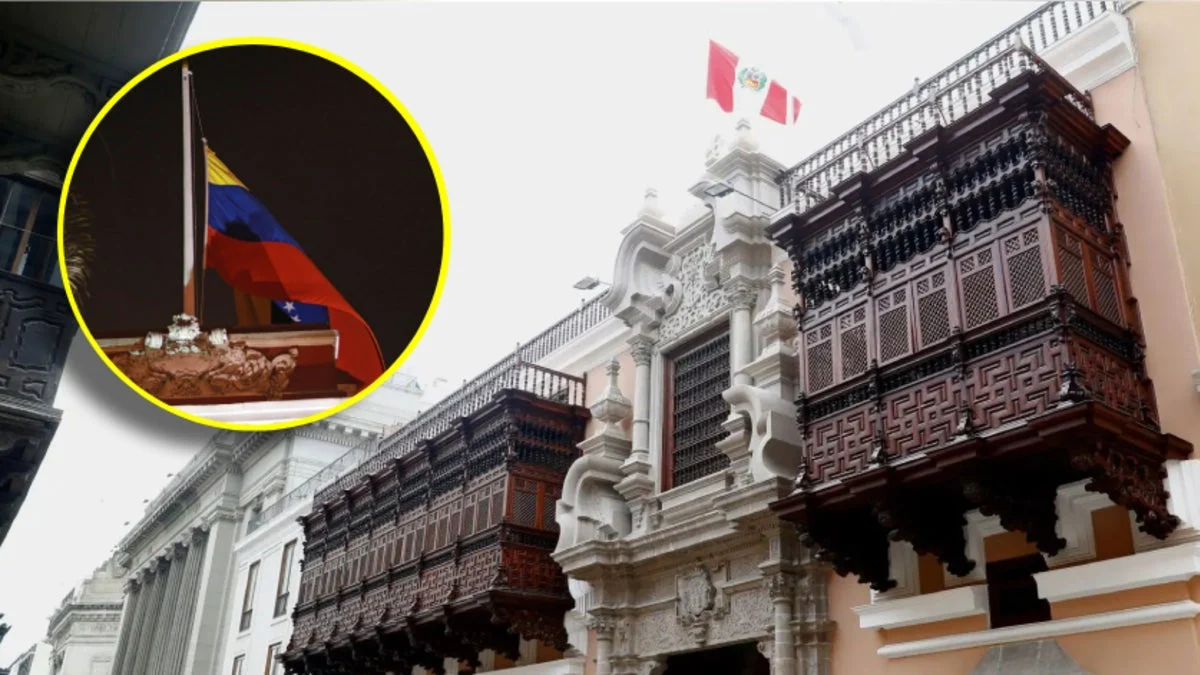
The official stance from Torre Tagle (the headquarters of the Peruvian Foreign Ministry) remains rooted in the "historical ties of friendship and Latin American solidarity." Officials argue that the welfare of their citizens transcends political differences. The Ministry stated: "This firm will for cooperation and integration is sustained by the historic bonds of friendship… and inspires our joint efforts in favor of the development and well-being of our peoples."
The Opposition and Public Discourse
The appointment has sparked intense debate in the Peruvian Congress. Some factions argue that any form of normalization with the current Venezuelan administration could be interpreted as a legitimization of the regime. Others, however, argue that the government has a constitutional duty to assist its citizens abroad, regardless of the political climate in the host country.
The complexity of this move is compounded by the fact that Peru has historically been a vocal critic of the Venezuelan administration’s human rights record. The administration is walking a tightrope: attempting to satisfy the needs of Peruvian citizens in Caracas while maintaining the integrity of its regional policy.
Looking Ahead: What Comes Next?
The appointment of Alicia María Espinoza Paredes is the first of many steps. The "progressive" nature of this resumption implies that the relationship will be built incrementally.
1. Reciprocity
The success of this appointment depends heavily on reciprocity. Peru expects Venezuela to follow suit by re-opening its own consulate in Lima. If Venezuela fails to facilitate a similar appointment, the Peruvian government will face domestic pressure to reconsider its policy.
2. Monitoring the Environment
The safety of the consular staff is a paramount concern. Given the volatile nature of the political situation in Caracas, the Peruvian Foreign Ministry will likely maintain a high level of security oversight for its diplomatic personnel. The success of the mission will be measured not just by the number of passports processed, but by the ability of the Consul General to operate without undue interference.
3. Regional Context
Peru is not acting in a vacuum. The region is closely watching how Lima handles this transition. Other countries in the Latin American bloc are struggling with the same dilemma: how to protect their citizens in a country with which they have severe political disagreements. If Peru’s "consular-first" approach succeeds in normalizing basic services without compromising national policy, it could serve as a blueprint for other nations in the region.
Conclusion
The designation of Alicia María Espinoza Paredes as Consul General of Peru in Caracas is a pragmatic exercise in modern diplomacy. It underscores a shift from purely ideological posturing to a more focused, citizen-centric foreign policy. While the path to a full restoration of bilateral relations remains fraught with political obstacles, the reopening of the consular office represents a vital lifeline for those caught in the middle of the diplomatic dispute.
As the Ministry of Foreign Affairs prepares to issue the resolution confirming the start date of her duties, all eyes will be on Caracas. This is a test of goodwill, a test of bureaucracy, and ultimately, a test of whether two nations can manage the basic necessities of their people while their governments remain worlds apart. The coming months will determine if this appointment is merely a temporary patch or the beginning of a broader, more stable, and more constructive phase in the long-standing relationship between Peru and Venezuela.