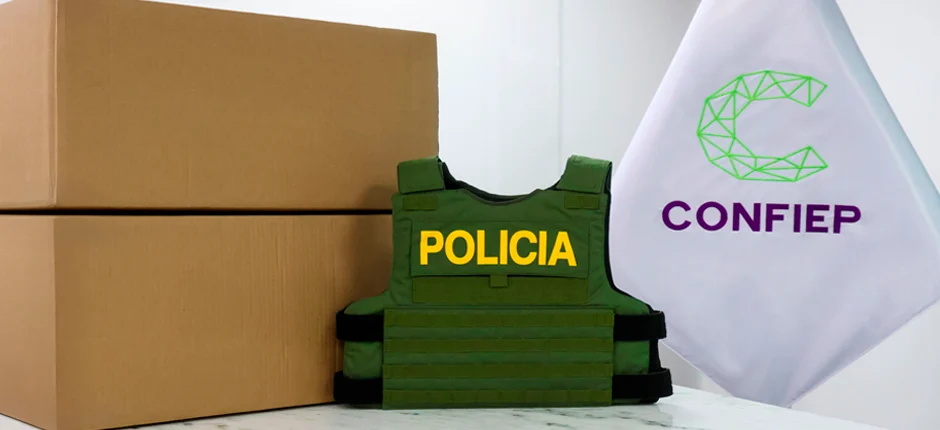
In a significant move to reinforce the operational capacity of Peru’s law enforcement, the National Confederation of Private Business Institutions (CONFIEP) has formally delivered a new shipment of tactical equipment to the Peruvian National Police (PNP). The donation, which consists primarily of high-grade ballistic vests, marks a critical milestone in the ongoing Interinstitutional Cooperation Agreement signed between the business guild and the Ministry of the Interior.
As Peru grapples with a surge in criminal activity and the persistent threat of organized crime, this strategic alliance between the public sector and private enterprise aims to provide the necessary tools for police officers—specifically those operating within the most sensitive intelligence units—to perform their duties with greater safety and efficiency.
Main Facts: Equipping the Tip of the Spear
The recent donation is not merely a symbolic gesture but a targeted logistical intervention designed to support the Division of Intelligence of the National Directorate of Criminal Investigation (DIVIIC-DIRNIC). The ballistic vests provided by CONFIEP represent a critical upgrade for personnel who are frequently exposed to high-risk environments while gathering intelligence on dangerous criminal syndicates.
This initiative is part of a broader, multi-phase campaign spearheaded by CONFIEP to modernize the technological and defensive arsenal of the PNP. The scope of this campaign extends beyond personal protective equipment; the business association has committed to facilitating the acquisition of drones for aerial surveillance, advanced computing hardware to process criminal data, and various other tactical supplies essential for modern policing.
By focusing on DIVIIC-DIRNIC, CONFIEP has identified the "brain" of criminal investigation as the primary area for immediate support. By ensuring that these intelligence officers are protected and properly equipped, the private sector hopes to indirectly accelerate the dismantling of criminal organizations that currently threaten the stability of Peruvian commerce and civil society.
Chronology: A Sustained Commitment to Public Safety
The relationship between CONFIEP and the Ministry of the Interior has evolved into a structured partnership over the past several years, moving from ad-hoc donations to a formal, strategic framework.
The Foundation of the Agreement
The cooperation agreement was born out of a shared recognition that economic growth is inextricably linked to national security. In previous years, the business sector observed how rising rates of extortion, kidnapping, and organized theft were beginning to undermine small and medium-sized enterprises (SMEs) across the country. Recognizing that the state’s resources were stretched thin, the leadership at CONFIEP initiated a dialogue with the Ministry of the Interior to identify "bottlenecks" in police efficiency.
Previous Milestones: The GRECCO Initiative
Prior to the current delivery of ballistic vests, the partnership saw its first major success with the support provided to the Special Group Against Organized Crime (GRECCO). In that initial phase, CONFIEP focused on the administrative backbone of the unit. Recognizing that specialized police units were often hindered by outdated office equipment, the business guild provided computers and digital infrastructure. This allowed GRECCO to digitize investigative files and improve communication speeds between regional departments, a move that proved vital in several high-profile arrests.
The Current Delivery
The recent delivery of ballistic vests represents the "Phase Two" expansion of the agreement. Following the success of the GRECCO support, the Ministry of the Interior and CONFIEP evaluated the field needs of the DIRNIC, determining that the personal protection of intelligence officers was a priority that could no longer be deferred.
Supporting Data: The Cost of Insecurity
To understand the necessity of this intervention, one must look at the data regarding the state of public safety in Peru. Recent reports from the Ministry of the Interior indicate that organized crime has diversified its portfolio, moving into cybercrime, international drug trafficking, and systemic extortion of local businesses.
The Technological Gap
Data suggests that the PNP has been facing a "technological deficit" for over a decade. While criminal organizations have adopted encrypted communication and advanced logistics, police departments in several provinces have relied on aging infrastructure. The CONFIEP initiative aims to close this gap by:
- Aerial Surveillance: Incorporating drone technology to monitor high-crime urban sectors where traditional patrol cars cannot access narrow or dangerous terrain.
- Data Processing: Providing the computing power necessary to manage large-scale criminal databases, enabling the use of predictive analytics to anticipate criminal movements.
- Personal Safety: Providing life-saving equipment that directly correlates to the retention and morale of experienced officers.
Studies on police effectiveness have consistently shown that when officers feel adequately equipped and protected, their willingness to engage in proactive, high-risk investigations increases. By removing the fear of inadequate protection, the private sector is effectively boosting the "psychological capacity" of the force.
Official Responses and Stakeholder Perspectives
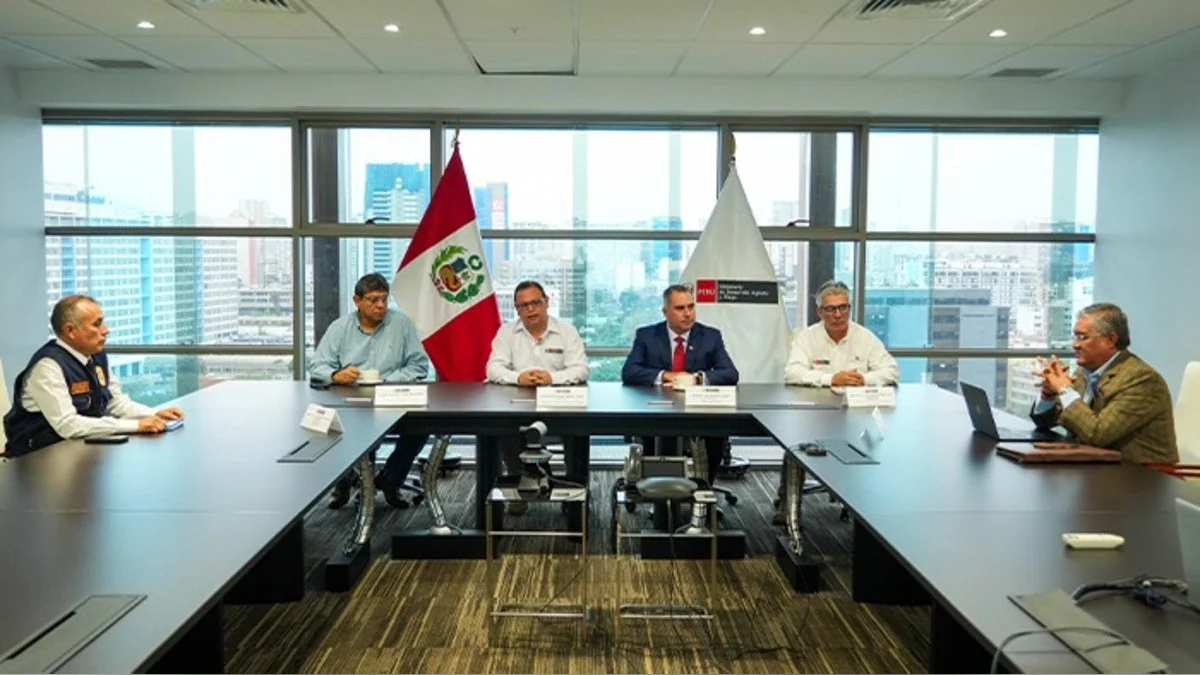
The ceremony marking the transfer of equipment was attended by high-ranking officials from both the government and the private sector.
The Perspective of the Ministry of the Interior
Government representatives emphasized that this partnership does not absolve the state of its responsibility, but rather enhances the state’s reach. A spokesperson for the Ministry noted: "We welcome this collaboration as a force multiplier. The state provides the policy and the personnel; our partners in the private sector help us reach the finish line of modernization faster than budgetary cycles usually allow."
The Voice of the Business Community
CONFIEP’s leadership has maintained a consistent message: the prosperity of the country is the prosperity of its citizens. "We are not just protecting businesses; we are protecting the environment in which citizens live, work, and grow," a CONFIEP representative stated during the handover. They stressed that this is not a one-off donation but a long-term investment in the "institutional health" of the Peruvian state.
Public Reception
Public reaction has been largely supportive, though some analysts have called for continued transparency. Experts in institutional integrity suggest that while private-public partnerships are essential, they must be governed by strict protocols to ensure that the equipment is utilized according to international human rights standards and that the donation does not imply any undue influence over police investigations.
Implications: The Future of Public-Private Security
The implications of this partnership are profound and could serve as a model for other nations in the Andean region struggling with similar security challenges.
Strengthening the Rule of Law
When the private sector invests in the police, it sends a clear signal to criminal elements: the business community and the state are unified. This solidarity can have a deterrent effect, as organized crime groups rely on the perception of state weakness to exert influence. A better-equipped police force complicates the operational environment for these syndicates, increasing the costs and risks associated with their criminal activities.
Economic Stability as a National Goal
By securing the streets, CONFIEP is essentially conducting "macro-level risk management." A safer Peru attracts more foreign direct investment (FDI), increases tourism, and fosters a more stable environment for domestic entrepreneurs. The cost of these donations, while significant, is viewed by the business community as a necessary insurance policy against the much larger economic losses caused by pervasive crime.
The Path Forward
The success of this ongoing cooperation suggests that the model may expand. Future phases of the agreement may include:
- Training Partnerships: Facilitating workshops where private sector security experts share technological knowledge with police units.
- Infrastructure Upgrades: Further support for physical police stations in vulnerable districts.
- Community Programs: Using the existing channels of the agreement to foster better relations between the police and the neighborhoods they serve.
In conclusion, the collaboration between CONFIEP and the Peruvian National Police is a testament to the fact that security is a collective responsibility. By providing the DIVIIC-DIRNIC with the tools they need to operate safely and effectively, the private sector is contributing to a more robust, modern, and resilient police force. As the partnership continues to evolve, the focus remains clear: protecting the frontline to secure the future of the nation. The ongoing delivery of equipment is more than just hardware; it is a declaration that the institutions of Peru are aligning to meet the challenges of the 21st century head-on.