By Our Regional Correspondent
In a decisive move to fortify Peru’s northern infrastructure against the looming threat of the El Niño phenomenon, President Keiko Fujimori Higuchi has announced an aggressive, multi-million-sol investment strategy centered on the Piura region. The initiative, which prioritizes the urgent desilting of river channels, marks a shift toward proactive disaster risk management, aiming to mitigate the catastrophic flooding that has historically plagued the region.
Main Facts: A 140 Million Sol Investment
The national government has formally authorized a budget of 140 million soles specifically earmarked for the Piura region’s preventative measures. This funding is designed to serve as the backbone for a massive logistical operation intended to safeguard lives, public infrastructure, and the vital agricultural sector.
The allocation is not merely a financial figure but a logistical commitment to mobilize resources across 60 identified "critical points" along the Piura River. The government has outlined a strict four-month implementation window to ensure that the work is completed before the peak of the seasonal rains. The funds will be distributed to cover three primary operational requirements:
- Human Capital: The hiring of specialized crews and local laborers to expedite clearing operations.
- Fuel and Machinery: The procurement and logistical support for heavy machinery, including excavators and dredging equipment, essential for removing sediment buildup.
- Direct Intervention: Engineering works aimed at reinforcing banks and ensuring the natural flow of the river to prevent overflow into populated urban and rural areas.
"We are pressing the accelerator," President Fujimori stated during her visit to the region. She emphasized that the speed of execution is as important as the quality of the engineering, promising a "constant presence" to supervise the progress of these interventions.

Chronology: A Race Against the Climate Clock
The decision to allocate these funds comes at a critical juncture in the 2026 climate calendar. Following meteorological warnings regarding the strengthening of the El Niño phenomenon, the government’s timeline is strictly compressed:
- Phase 1 (Preparation): Immediate mobilization of the Autoridad Nacional del Agua (ANA) and local authorities to finalize technical assessments of the 60 critical zones.
- Phase 2 (Execution – Months 1-2): Deployment of heavy machinery and the initiation of large-scale dredging and sediment removal.
- Phase 3 (Execution – Months 3-4): Final reinforcement of vulnerable embankments and the implementation of protective drainage systems.
- Phase 4 (Readiness): Integration with the National Institute of Civil Defense (INDECI) to establish supply chains for emergency relief.
This timeline is designed to ensure that the primary works are concluded before the heaviest rainfall, typically occurring in the first quarter of the following year, renders manual work impossible.
Supporting Data: Understanding the Risk
The urgency behind this investment stems from decades of climate data. Piura’s geography makes it particularly susceptible to "El Niño Costero," where rising sea temperatures lead to intense, concentrated rainfall in the Andes, which then funnels down into the Piura River.
Historical data indicates that sediment buildup in the riverbed significantly reduces the channel’s capacity to carry water, leading to breaches in urban centers. By investing in the desilting process, the government aims to increase the volumetric capacity of the river.
Furthermore, the government is looking beyond just the riverbed. Data from the Ministry of Agriculture suggests that agricultural losses during previous El Niño events reached into the billions of soles. By protecting the irrigation infrastructure, the 140 million sole investment acts as an insurance policy for the region’s primary economic engine.

Official Responses and Strategic Coordination
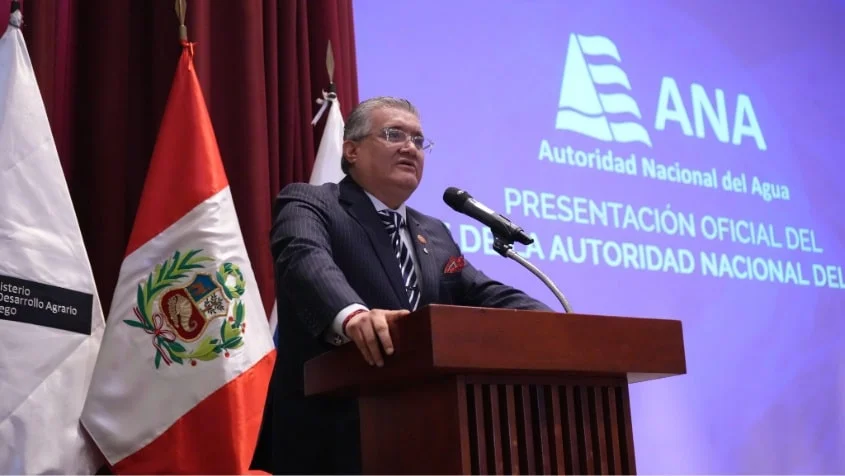
The success of this plan relies heavily on the coordination between various governmental tiers and the appointment of new leadership within the National Water Authority (ANA). The new chief of the ANA has echoed the President’s sentiments, noting, "We have a mandate to desilt rivers across seven key regions to prioritize human safety above all other considerations."
President Fujimori has specifically called for a "collaborative triangle" between:
- The State: Providing funding, oversight, and technical guidance.
- The Private Sector: Encouraged to join the effort by providing logistical support and participating in public-private partnership models to enhance local infrastructure.
- The Citizenry: A crucial call to action has been issued to local residents to act as "social monitors." The government believes that community-based oversight will ensure that contractors remain on schedule and that materials are utilized with transparency.
In addition to river works, the government is collaborating with INDECI to ensure that "humanitarian corridors" are established. This includes the strategic positioning of pre-stocked warehouses filled with non-perishable food, potable water, medical kits, and heavy-duty tents for potential evacuees. The government is also actively negotiating with international partners to secure additional specialized equipment, including high-capacity motobombs to drain flooded urban areas.
Implications: A New Era of Preparedness?
The decision to centralize such a massive operation in Piura signals a shift in Peruvian political strategy regarding natural disasters. For years, critics have argued that the government reacted only after disaster struck. By focusing on "preventative investment," the current administration is attempting to change the narrative from emergency response to risk mitigation.
Economic Implications
If successful, this 140 million sole investment could save the country significantly more in future reconstruction costs. Economists note that every sol invested in prevention saves between seven and ten soles in disaster recovery. By protecting the agricultural yields of the Piura valley, the government is also securing the supply chain for national food security.

Social and Political Implications
Politically, the President’s promise to personally supervise the work is a high-stakes gamble. By placing her reputation directly behind the success of the four-month timeline, she is setting a benchmark for accountability. If the works are completed on time, it will bolster confidence in the administration’s ability to manage complex crises. Conversely, any delays or evidence of corruption could lead to significant social unrest, given the historical sensitivity of the region to government failures during El Niño.
Challenges Ahead
Despite the optimism, significant hurdles remain. The region’s geology is complex, and unexpected weather patterns could disrupt the construction schedule. Furthermore, the logistical challenge of moving machinery into 60 distinct, often remote locations requires a level of coordination that has historically been difficult to achieve in the public sector.
Conclusion
The upcoming months will be a defining period for the Piura region. The combination of state-led investment, private sector involvement, and vigilant community oversight represents a comprehensive approach to one of Peru’s most persistent natural challenges. As the machinery begins to move and the rivers are cleared of sediment, the focus will remain on the promise made by the President: to prioritize the life and safety of the most vulnerable citizens. The 140 million soles is more than a budget; it is a declaration that the government is no longer willing to wait for the storm to arrive before taking action.
The eyes of the nation will remain fixed on the Piura River, as these works represent not just the mitigation of a climate phenomenon, but a test of the state’s capacity to protect its people in an era of increasing environmental uncertainty.