By Technology Desk
August 3, 2026
In an era where digital communication serves as the backbone of both professional and personal interaction, any instability in major messaging platforms is felt instantaneously across the globe. This Monday, August 3, 2026, users of WhatsApp, the world’s most popular instant messaging application, encountered significant service interruptions. The outage, which primarily affected the ability to send and receive multimedia files, has sparked widespread concern among millions of users in Peru, Colombia, Mexico, and beyond.
Main Facts: The Nature of the Disruption
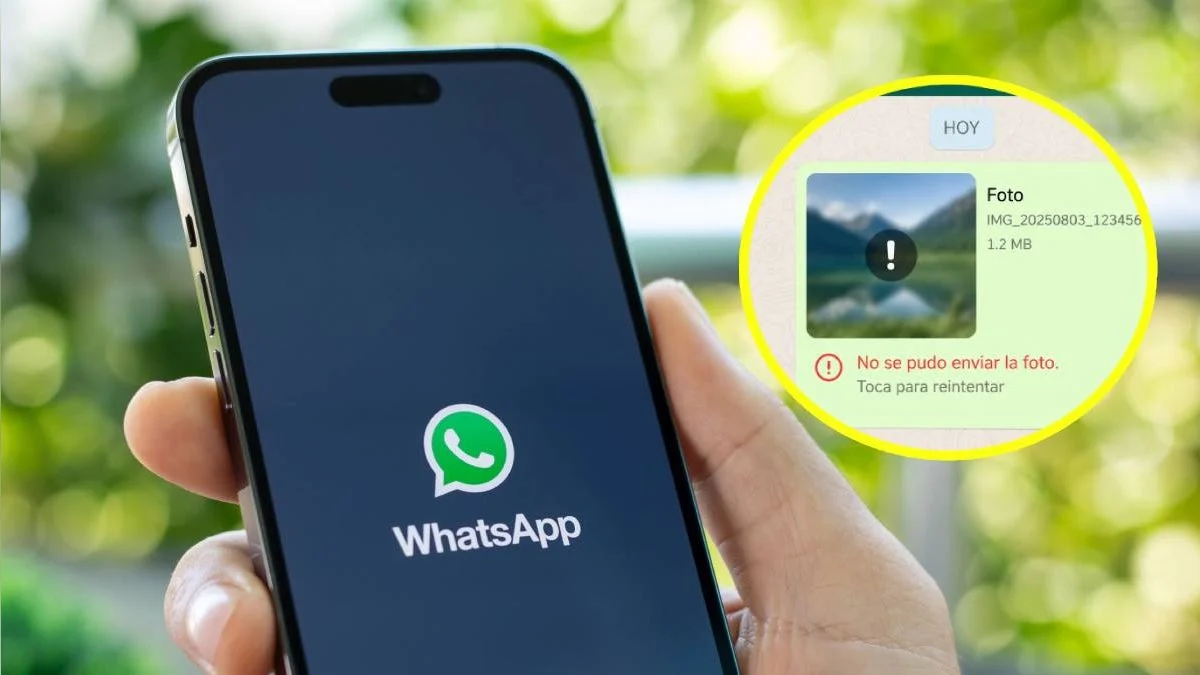
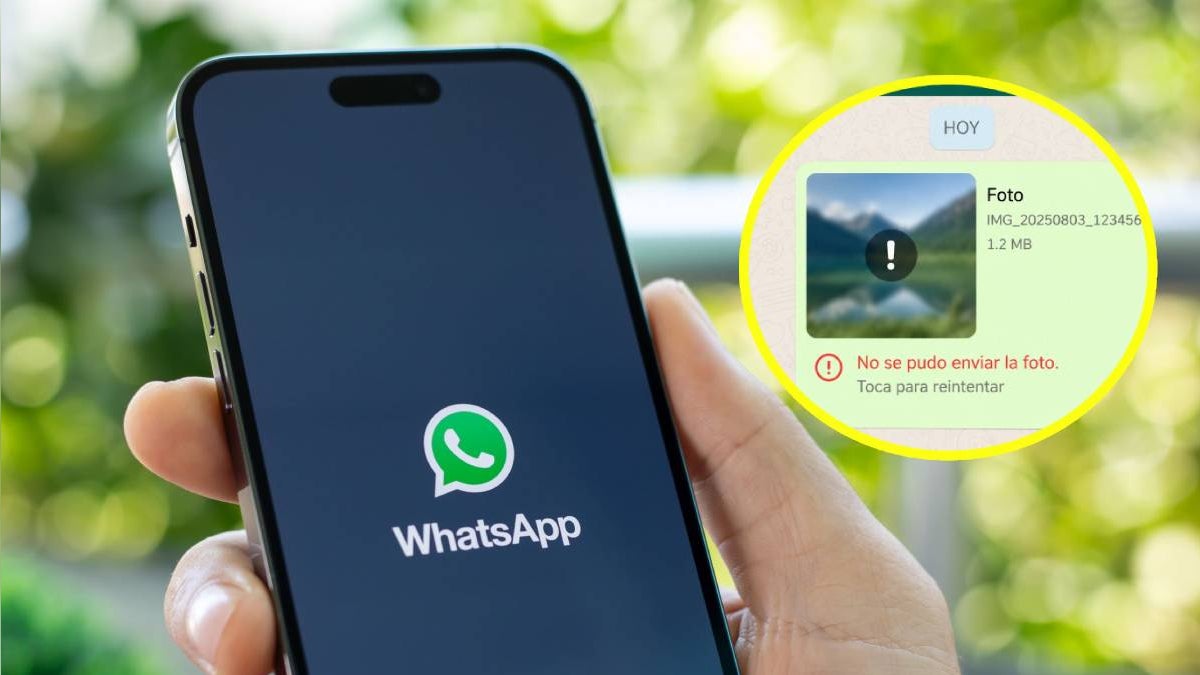
Starting at approximately 4:00 p.m. (Peruvian Time), users began reporting a "partial system failure" while attempting to utilize WhatsApp. Unlike a complete blackout, which would render the application entirely unresponsive, this incident manifested as a selective malfunction. Users could still exchange text messages with relative ease, but the core functionality surrounding image and video sharing hit a digital wall.
Whenever a user attempted to upload a photograph, a video clip, or a document, the application failed to complete the transfer. Instead of the familiar "delivered" checkmark, users were met with a persistent "error" notification, accompanied by a prompt to "retry the upload." This issue was not confined to a single operating system or access point; reports confirmed that both the mobile application (iOS and Android) and the desktop-based WhatsApp Web service were suffering from the same systemic limitation.
Chronology of the Outage
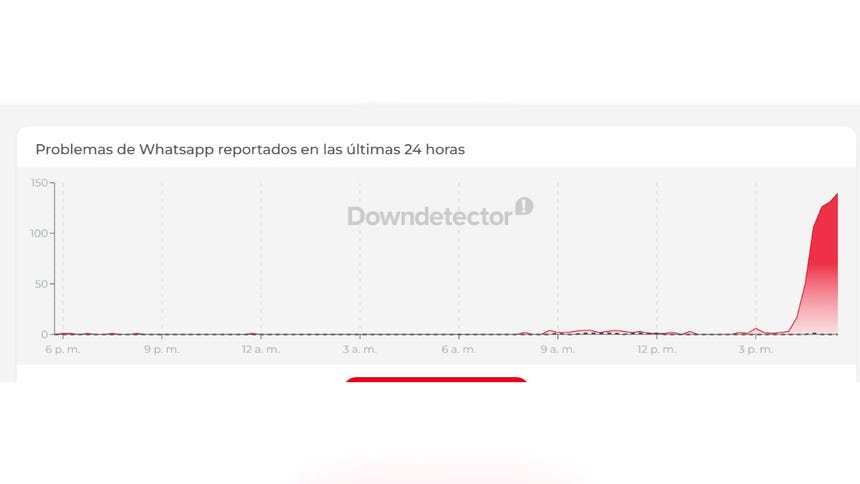
The timeline of the disruption began shortly after 3:45 p.m. local time in South America. Within fifteen minutes, the spike in error reports on Downdetector—the industry-standard platform for tracking service outages—indicated that this was a widespread technical issue rather than an isolated glitch related to individual internet service providers.
- 3:45 p.m. – 4:00 p.m.: Initial localized reports emerge from the Lima metropolitan area in Peru, suggesting difficulties in sending high-resolution images.
- 4:15 p.m.: Downdetector displays a sharp vertical spike in reports. The geographic footprint expands rapidly to include major urban centers in Colombia, such as Bogotá and Medellín.
- 4:45 p.m.: Social media platforms, particularly X (formerly Twitter), become flooded with users across North America—specifically in Mexico and parts of the United States—confirming that they are experiencing similar issues with multimedia connectivity.
- 5:30 p.m.: The outage enters a "plateau" phase, where the volume of complaints remains consistently high, suggesting that Meta’s server-side engineers have not yet deployed a definitive fix.
- Ongoing: As of the time of publication, users continue to report intermittent success and failure, suggesting that the platform is in the process of rolling out a staggered restoration of services.
Supporting Data and Geographic Scope
The scope of the outage highlights the precarious nature of global centralized communication networks. Downdetector, which aggregates reports from users worldwide, provided clear visual evidence of the failure. In Mexico, the outage appeared to be particularly severe, with thousands of reports filed within the first hour of the incident.
The data provided by Downdetector reveals that while the text-messaging server clusters remained largely stable, the Content Delivery Network (CDN) or the media storage servers responsible for handling binary data (images, videos, and voice notes) were likely the epicenter of the failure. This type of failure often points to a configuration error during a routine server update or a bottleneck in the encryption-decryption layer of the media transmission process.
The Digital Silence: Lack of Official Response
As of late Monday afternoon, neither WhatsApp nor its parent company, Meta Platforms Inc., had issued a formal statement regarding the root cause of the disruption. This silence is typical of the tech giant’s crisis communication strategy, which often prioritizes technical resolution over public commentary until the issue is fully contained.
For businesses and individuals relying on WhatsApp for mission-critical operations, the lack of transparency remains a primary point of friction. The silence from the company leaves users to speculate whether the outage was caused by a malicious cyberattack, a catastrophic hardware failure, or a botched software update.
Implications: The Over-Reliance on Meta’s Ecosystem
The disruption on August 3, 2026, serves as a poignant reminder of the inherent risks of relying on a single digital infrastructure for global communication. With over two billion active users, WhatsApp is no longer just a "messaging app"—it is a critical utility.
Economic and Operational Impact
For millions of small and medium-sized enterprises (SMEs) in Latin America, WhatsApp acts as the primary storefront. Businesses that rely on sending catalogs, product photos, and invoices to customers found their operations effectively paralyzed for several hours. In a digital economy where "speed is currency," a three-to-four-hour window of instability can result in significant financial loss.
The Shift Toward Alternatives
The outage has reignited the perennial debate regarding the importance of "digital redundancy." In the immediate aftermath of the reports, security researchers and tech enthusiasts began advocating for users to diversify their messaging portfolio. Applications such as Telegram and Signal, which offer encrypted communication, have historically seen massive influxes of new users whenever WhatsApp encounters technical difficulties.
While WhatsApp remains the dominant player due to its network effect, the instability experienced today highlights the vulnerability of centralized platforms. If a single central server or API (Application Programming Interface) fails, the entire ecosystem collapses, whereas decentralized protocols or diversified messaging habits would theoretically mitigate the risk of a total communication blackout.
Security and Connectivity Concerns
Beyond the simple inability to send a photo, experts are questioning whether the current failure could have implications for the end-to-end encryption (E2EE) protocols that define the platform. When a system struggles to process multimedia, it is often due to an issue with the encryption keys being generated or verified for the specific file being sent. While there is no evidence that user data was compromised during this incident, the complexity of modern messaging security means that any "glitch" is scrutinized for potential vulnerabilities.
Conclusion: A Wake-Up Call
The events of August 3, 2026, illustrate the fragility of our modern digital life. While the service is expected to return to full functionality shortly, the incident leaves behind a lingering question for Meta: How can a platform of such global magnitude ensure higher levels of uptime for its users?
For the average user, the takeaway is simple yet vital: maintain secondary methods of communication. Whether it is keeping an alternative app installed or ensuring that email or cloud-based document sharing is available for critical tasks, the instability of the past few hours serves as a timely reminder that even the most advanced technology is susceptible to the occasional, inconvenient collapse.
As the digital community waits for a post-mortem from Meta, the focus remains on the gradual restoration of services and the hope that today’s technical hurdles are addressed with the urgency that such a massive user base demands. Until a formal explanation is provided, users are advised to remain patient and monitor official support channels for updates on the platform’s status.