The climate crisis is no longer a distant environmental concern; it has become a central determinant of economic stability and labor security. A sobering new investigation released by the International Labour Organization (ILO) warns that the current El Niño phenomenon, projected to persist through 2027 along the Tropical Pacific, is poised to trigger a cascade of negative effects on the labor markets of Latin America and the Caribbean (LAC).
The report, titled “El Niño 2026–2027 and the World of Work in Latin America and the Caribbean: A Causal Chain from Climate to Employment and Labor Institutions,” argues that the disruption of precipitation patterns is not merely a meteorological event, but a direct threat to the livelihoods of millions. From the agricultural heartlands to urban logistics hubs, the ripple effects of this climate phenomenon promise to worsen income inequality, compromise food security, and elevate the risk of child labor in one of the world’s most vulnerable regions.
The Core Impacts: A Chain Reaction of Economic Disruption
At the heart of the ILO’s analysis is the concept of a "causal chain." Climate events influence precipitation, which dictates the health of primary sectors—agriculture, fishing, and hydroelectric energy. When these sectors falter, the impact cascades into the broader economy, disrupting logistics, driving up the cost of food and energy, and ultimately eroding the quality and availability of jobs.
Sectoral Vulnerability
- Agriculture and Fishing: These sectors are the first line of impact. Changes in rainfall patterns disrupt harvest cycles and fish migration, threatening the primary income source for millions of rural families.
- Energy Generation: In many Latin American countries, the grid relies heavily on hydroelectric power. Droughts associated with El Niño can trigger energy shortages, raising costs for manufacturing and hindering industrial output.
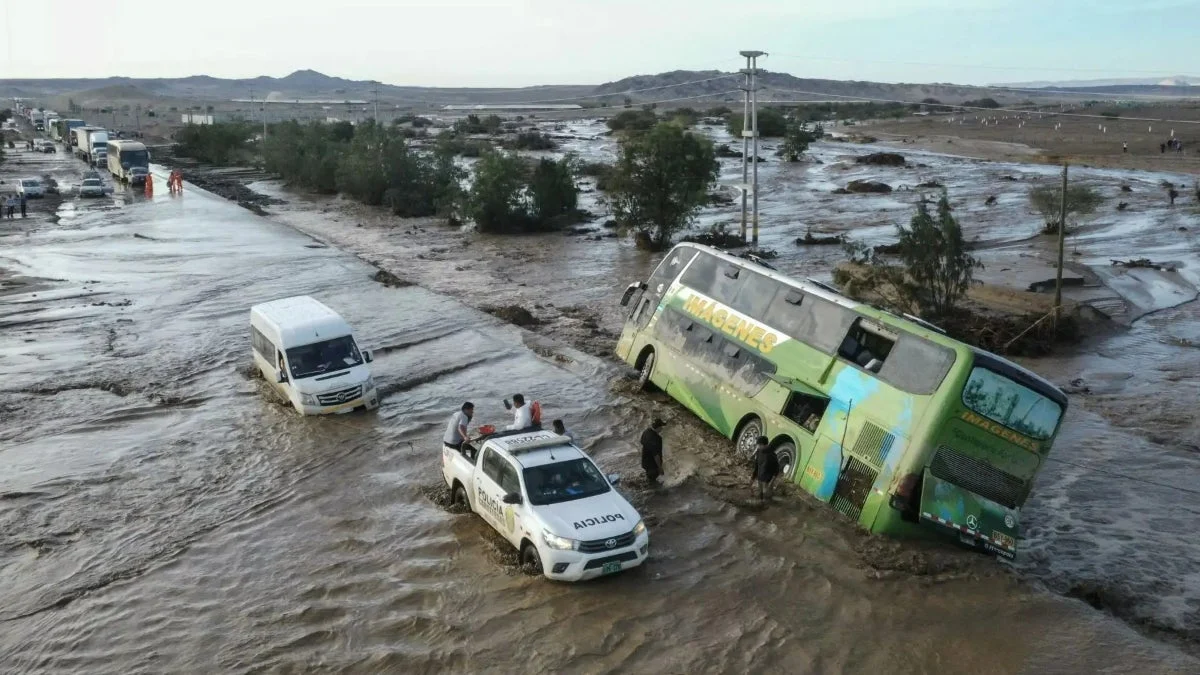
- Logistics and Infrastructure: Extreme weather, including floods and landslides, damages critical infrastructure, paralyzing supply chains and making the transport of goods prohibitively expensive or dangerous.
- Construction and Outdoor Labor: Workers in construction and other outdoor trades are physically exposed to extreme heat waves and storm conditions, leading to decreased productivity and significant occupational health and safety risks.
Chronology and Geographic Distribution: A Tale of Two Climates
The ILO report emphasizes that the impacts of El Niño are not uniform. The region faces a "geography of risk" where different countries experience diametrically opposed, yet equally devastating, climatic realities.
The Dry Path: Drought and Water Scarcity
The Corredor Seco (Dry Corridor) in Central America, much of the Caribbean, and the northern reaches of South America are expected to face severe moisture deficits. Here, the primary threat is the combination of prolonged drought and intense heat waves. For these regions, the labor crisis will likely manifest as crop failure, livestock loss, and a rapid decline in the purchasing power of rural households, who must navigate the resulting surge in food prices.
The Wet Path: Floods and Storms
Conversely, the Pacific coast of South America—particularly Ecuador and Peru—is historically prone to heavy precipitation and catastrophic flooding during El Niño cycles. Further south, the southeastern regions of South America (parts of Argentina, Uruguay, and Brazil) are expected to face above-average rainfall and increasingly severe, high-intensity storm systems. In these areas, the risk is physical destruction: the loss of housing, the ruin of machinery, and the interruption of economic activity due to flooded transit routes.
Supporting Data: The Fragility of the Informal Economy
Perhaps the most alarming aspect of the ILO report is its focus on the structure of the Latin American labor market. With nearly 50% of the regional workforce engaged in the informal economy, the "cushion" typically provided by formal labor protections—such as unemployment insurance, medical leave, and government-backed social security—is non-existent for nearly half of all workers.
The "Informal Trap"
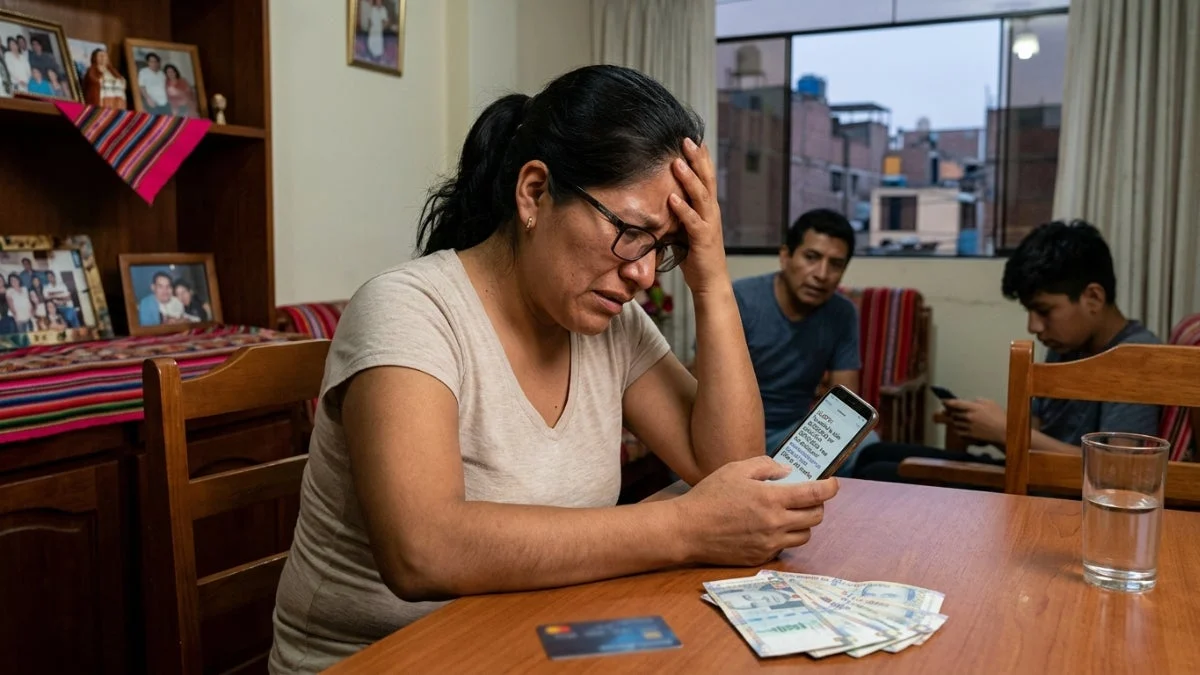
Informal workers are disproportionately represented in the very sectors most affected by El Niño: small-scale agriculture, street vending, and manual labor. Because they lack access to formal credit or state-sponsored disaster relief, these individuals have no buffer against climate-induced income loss. When a drought hits a small farm, an informal laborer cannot file for social protection; they are often forced to choose between starvation or migration, often putting children to work to supplement household income—a devastating long-term consequence for the region’s development.
Official Responses and Strategic Recommendations
Fabio Bertranou, the ILO’s Regional Director for Latin America and the Caribbean, has framed the crisis as a test of institutional resilience. “The magnitude of these impacts will depend on the capacity of our countries to anticipate the damage with solid labor institutions, robust social protection systems, and a genuine commitment to social dialogue,” Bertranou noted.
The ILO has outlined a multi-tiered strategy for governments and the private sector to mitigate the damage:
- Strengthening Social Protection: Extending coverage to rural and informal workers is no longer an idealistic goal, but a climate-resilience necessity. Governments must develop "shock-responsive" social protection programs that can be scaled up quickly when disaster strikes.
- Resilient Infrastructure Investment: Moving away from reactive repairs to proactive, climate-resilient infrastructure is critical. This includes irrigation systems that can withstand drought and drainage systems capable of handling unprecedented storm volumes.
- Occupational Safety and Health (OSH): The report demands new labor regulations that protect workers from heat stress and extreme weather. This includes mandatory breaks, access to shade, and updated safety protocols for those working outdoors.
- Early Warning Systems: Linking meteorological data directly to labor policy is essential. If a drought is predicted, agricultural extension services should be able to provide immediate, actionable advice to farmers to minimize crop failure and preserve jobs.
- Inclusive Social Dialogue: Solutions cannot be top-down. The ILO calls for tripartite social dialogue—involving governments, employers, and workers—to design transition strategies that protect the most vulnerable during the climate shocks of the next two years.
Broader Implications: The Future of Labor in a Changing Climate
The OIT study invites a paradigm shift in how we view the climate-labor nexus. El Niño 2026-2027 should not be treated as an isolated weather incident, but as a symptom of a broader trend of climate instability. The implications are clear: the "world of work" is becoming an arena of climate conflict.
If the region fails to adapt, the economic costs will be measured not only in GDP points but in the erosion of social cohesion. Rising food prices coupled with stagnant wages are a recipe for civil unrest. Furthermore, the exacerbation of child labor risks threatens to create a "lost generation" whose education is sacrificed to immediate survival needs.
Ultimately, the ILO report serves as a call to action for policymakers to recognize that environmental policy is, by extension, labor policy. Without a workforce that is secure, healthy, and protected by strong institutions, the economic foundations of Latin America and the Caribbean will remain precariously brittle in the face of a warming planet.
As the 2026-2027 period unfolds, the effectiveness of the regional response will serve as a bellwether for the rest of the world. Will the region successfully adapt its labor institutions to the new reality of a volatile climate, or will it succumb to the cyclical instability that threatens to unravel decades of socio-economic progress? The answer lies in the speed and sincerity with which these structural reforms are implemented today.