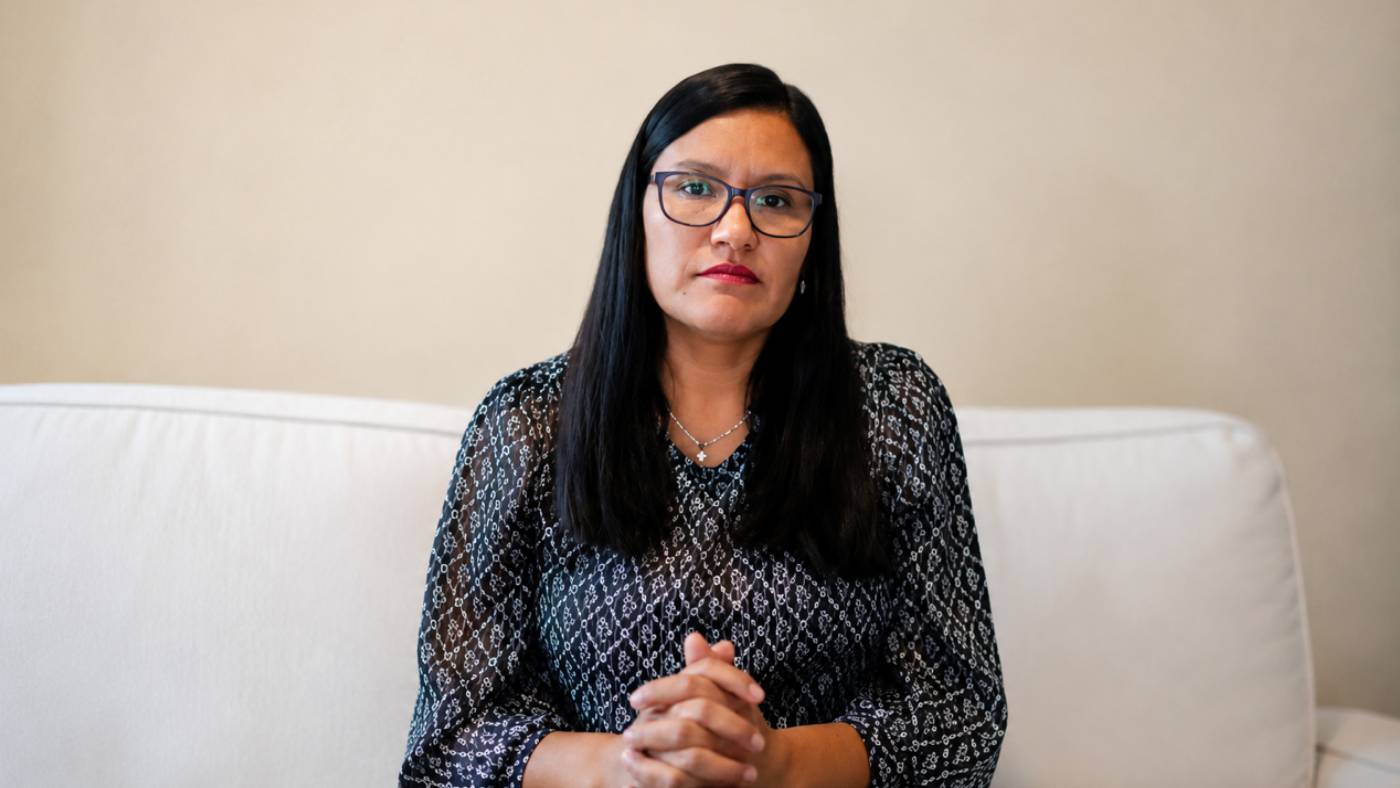
For seventeen years, Maria Minga Calderón’s life was measured not in personal milestones, but in bells, prayers, and domestic labor. Every morning at 5:55 AM, a powerful chime echoed through the corridors of the Opus Dei residence in Lima, Peru. Before she could even shake off the sleep, she was required to kneel, kiss the floor, and utter a single, chilling word: "Serviam!"—Latin for "I will serve."
At 43, Maria Minga has become the first former "auxiliary numerary" in Peru to break the silence, joining a growing international chorus of women from across Latin America and Europe who are exposing what they describe as a systematic, decades-long scheme of labor exploitation within the Catholic Church’s most powerful and secretive institution.
The "Heroic Minute" and the Architecture of Control
The routine Maria Minga lived was known as the "Heroic Minute." It was the opening act of a day governed by rigid, exhausting, and often dehumanizing protocols. As an auxiliary numerary, Maria was part of the invisible workforce that kept the Opus Dei machine running. Her duties were absolute: cleaning the palatial residences of the organization’s male leadership, cooking elaborate meals for priests and high-ranking members, and maintaining the laundry and domestic infrastructure of the elite.
"I was a servant, a cleaner, and a cook. I did all the domestic work for ‘the Work,’" Maria explains, referencing the institution she finally abandoned in 2022 after realizing her life had been hollowed out by a structure that viewed her only as a tool for sanctification.
The system was designed to isolate. From the moment she joined as a teenager from the rural highlands of Piura, Maria was indoctrinated to believe that her poverty and labor were divine vocations. She was steered away from the possibility of family, higher education, or personal autonomy, constantly reminded that her only purpose was to serve the "hierarchy"—a pyramid where a small group of priests and high-ranking lay members (the numeraries) sat at the top, while women from poor, rural backgrounds formed the foundation.
Chronology of a Life Entrapped
Maria Minga’s journey into the Opus Dei began with a promise of education that was never fulfilled. After moving to Lima at 16, she was introduced to a center in Miraflores. What began as a community of prayer and sport quickly transformed into a web of psychological pressure.
- 2005: Under immense pressure from clergy who accused her of being "selfish" for wanting a family, Maria signed her letter of admission. She was 22.
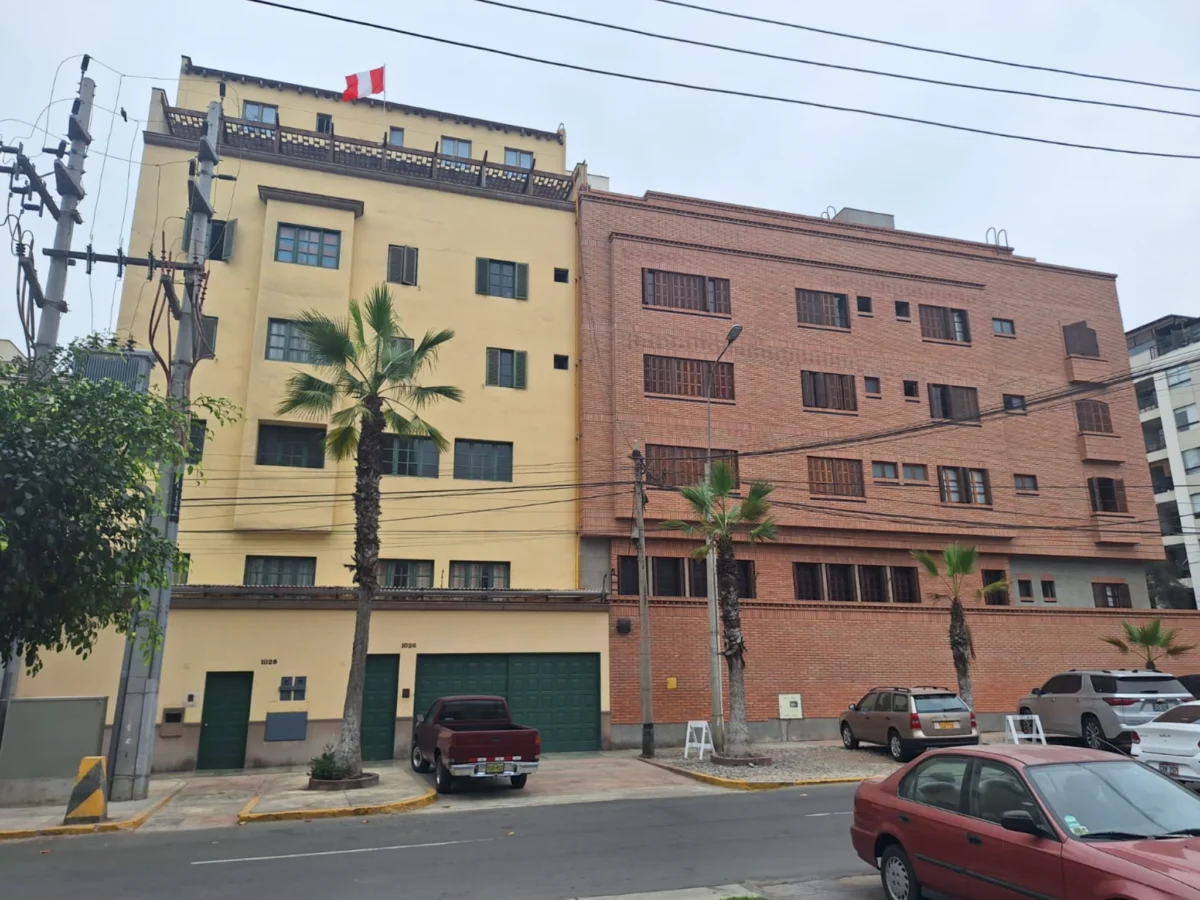
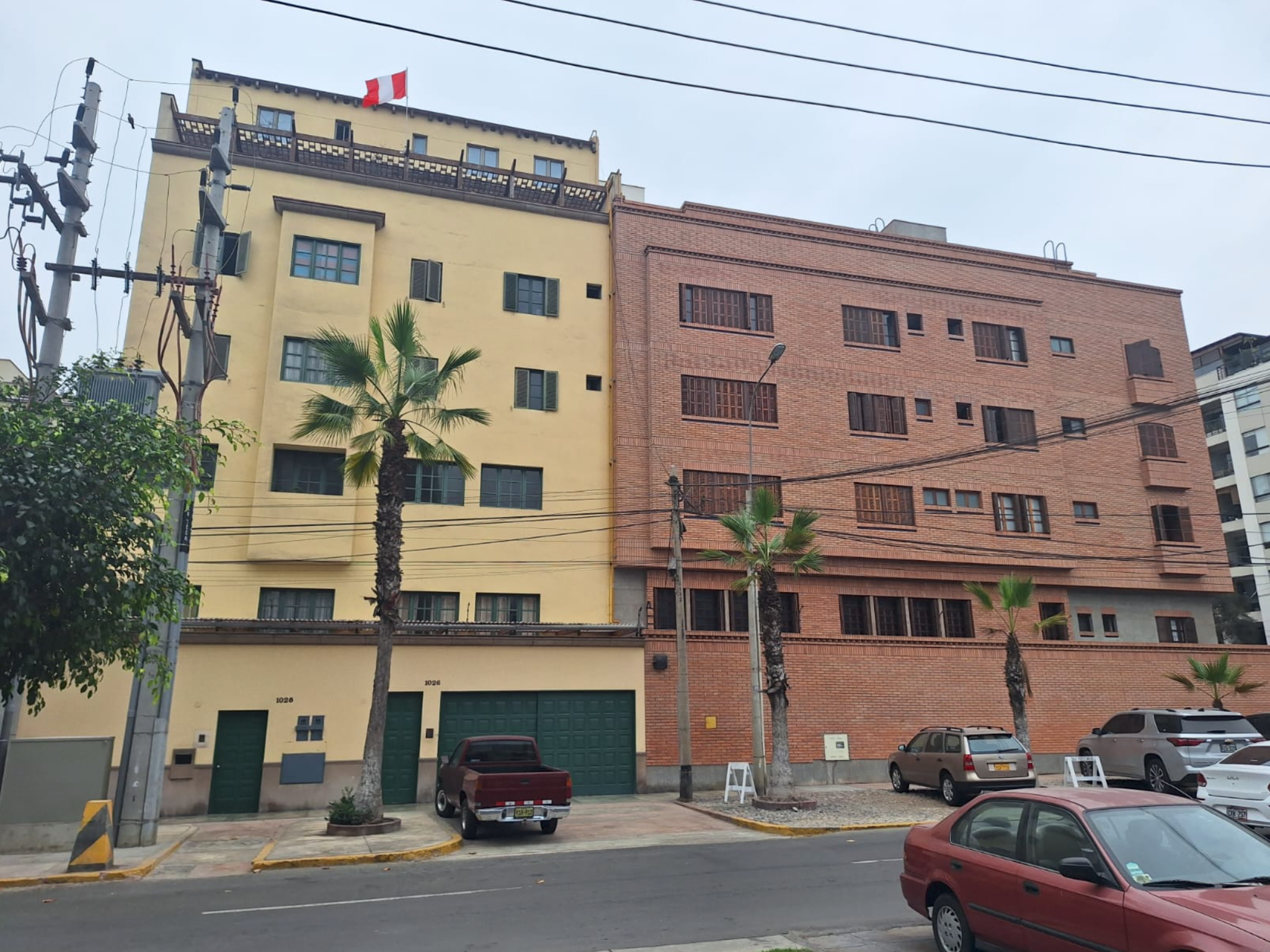
- 2006: She moved permanently into the Casagrande residence, a central hub for the organization’s administration. Her world shrank to the confines of the house.
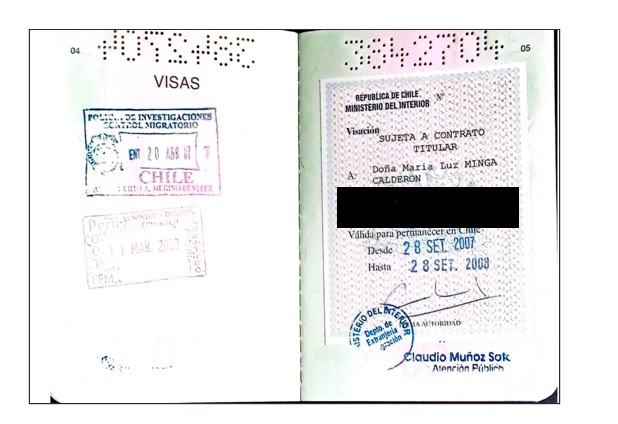
- 2007–2009: She was sent to Chile for "doctrinal formation." There, she realized that the hierarchy in Peru was even more exclusionary, with segregated dining rooms and rigid class distinctions between the "served" and the "servers."
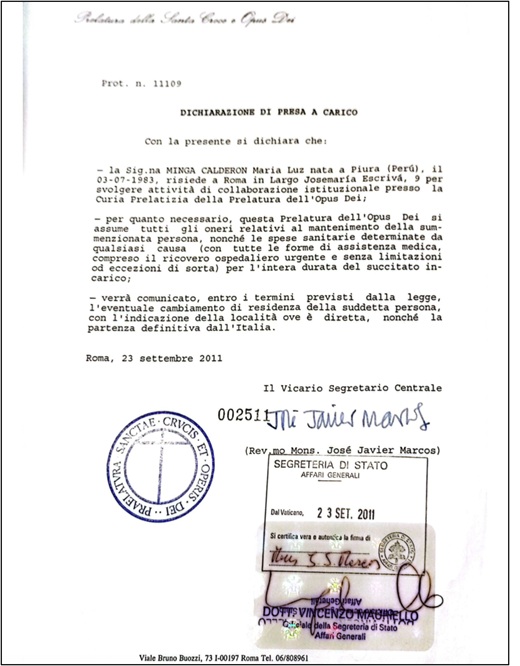
- 2011–2017: Maria was transferred to the heart of the Opus Dei global power structure in Rome. Living in the Villa Tevere complex, she served the highest authorities of the institution, including those who had known the founder, Josemaría Escrivá de Balaguer.
- 2020–2022: The turning point. Exhausted, suffering from physical and mental health decline, and denied basic requests for education or rest, she began to see the "humanity" she was serving as a source of deep cruelty. After two years of internal struggle, she signed her letter of departure and escaped.
The "Plan of Life": Rules of Subjugation
The internal rules of the Opus Dei for auxiliary numeraries are stark. Beyond the 10-hour workdays, there was a mandatory "Plan of Life." This included the weekly use of the cilice—a spiked chain worn around the thigh for two hours a day—and the use of the "disciplines," a small rope whip used to strike one’s own back and buttocks during prayer.
These practices were never mentioned to Maria during her initial years of recruitment. They were presented as essential tools for "mortification" and holiness. Furthermore, the vow of poverty was strictly enforced: any money earned, any gift received, and even the fruit of their labor was confiscated by the organization. Maria recalls that even the most basic necessities—toothpaste, deodorant, or shampoo—required a formal request to a superior, who would scrutinize the expense for "need."
Supporting Data: A Global Pattern of Labor Abuse
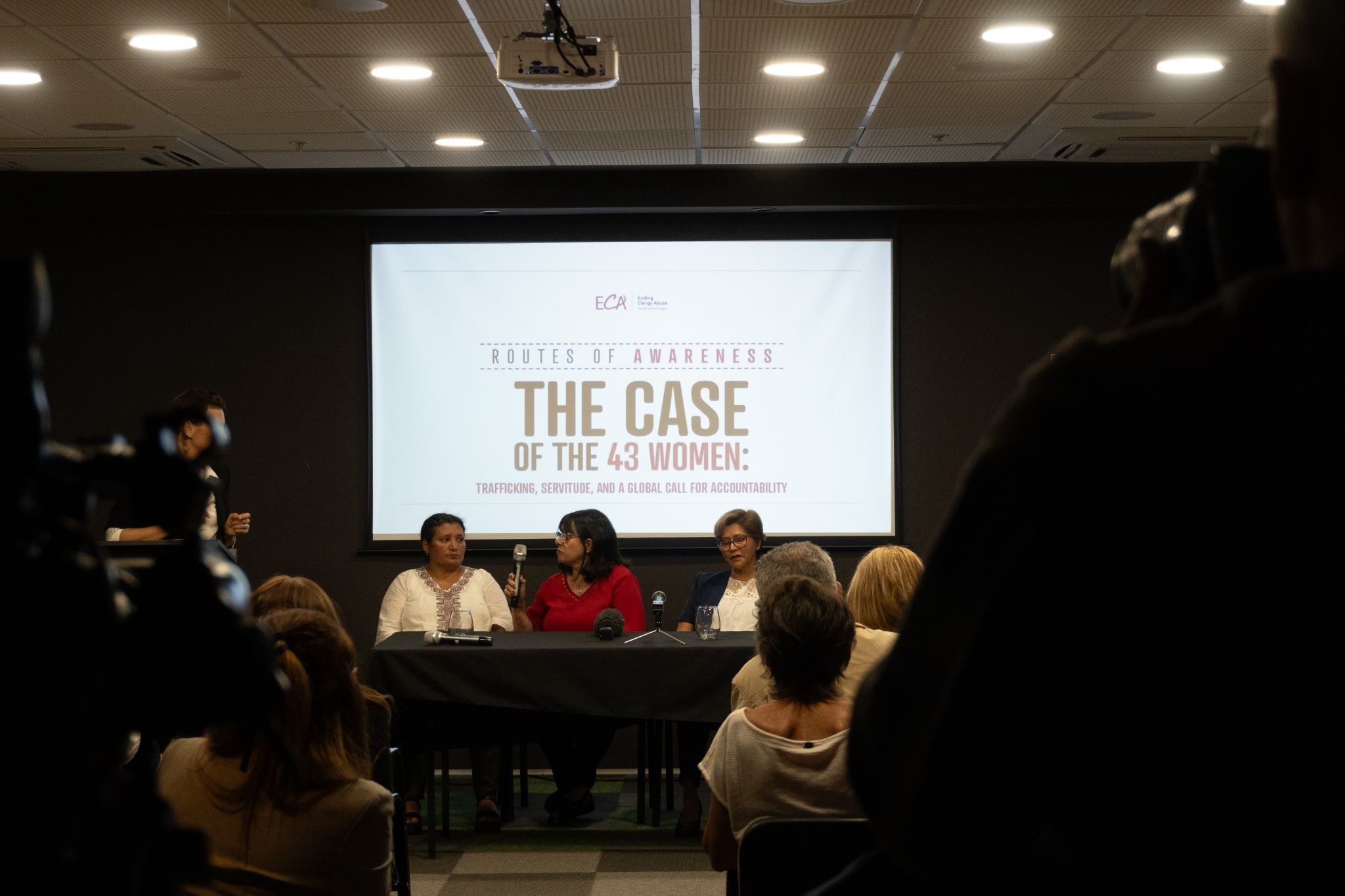
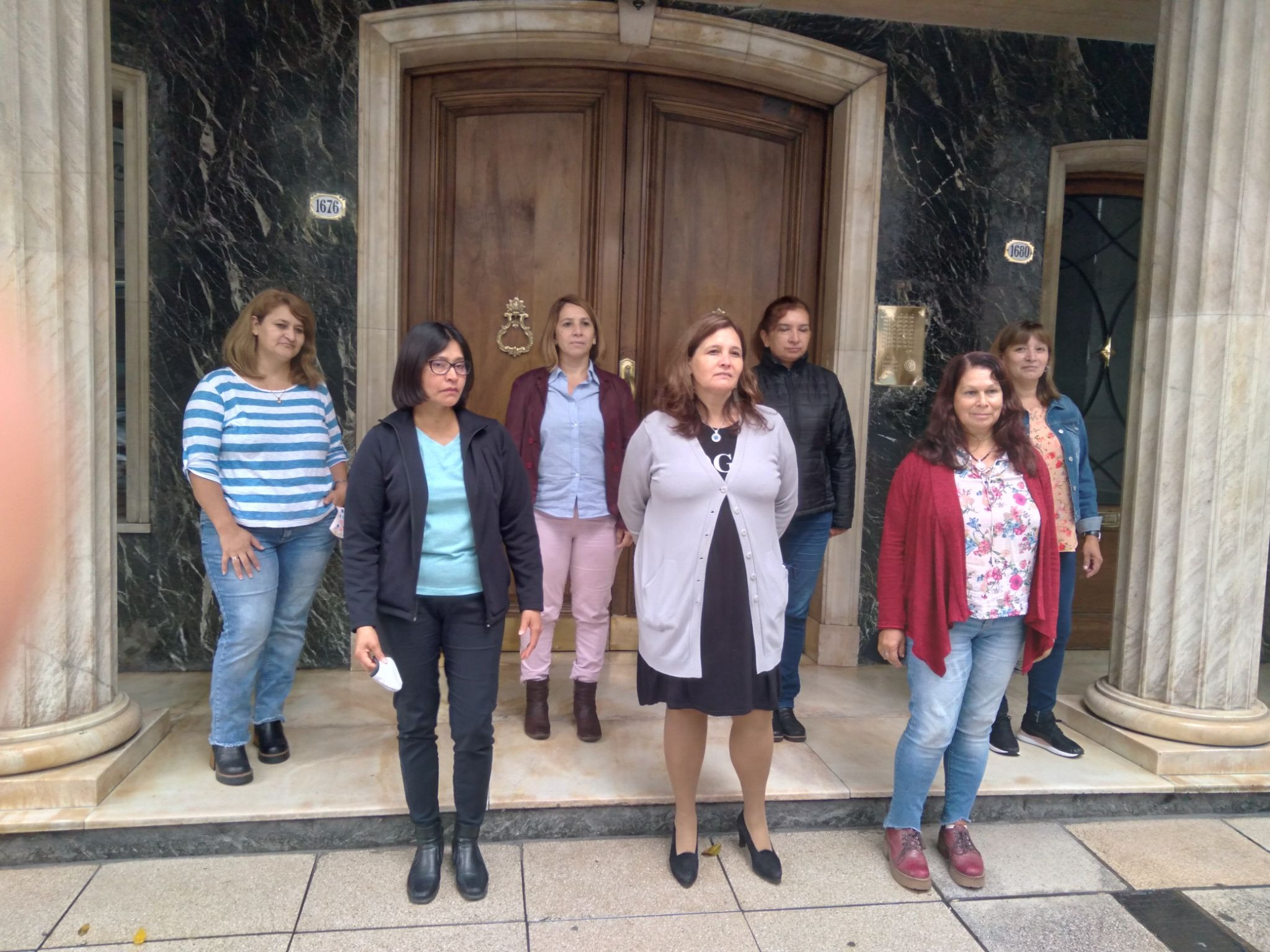
The case of Maria Minga is not an isolated incident; it is a mirror of a systemic crisis that exploded in 2021 when 43 women in Argentina filed a formal complaint with the Vatican. They alleged that they were victims of human trafficking and labor exploitation.
The investigations led by journalists like Paula Bistagnino and the subsequent legal actions in Argentina have unmasked a global strategy. In 2024, Argentine federal justice officials charged five senior Opus Dei priests—including one of the highest-ranking leaders of the organization worldwide—with human trafficking for labor exploitation.
The evidence is mounting:
- Financial Opacity: For nearly two decades, Maria received no salary. When, under legal pressure, the organization began to open bank accounts for the women in 2021, they were forced to hand over the debit cards and salaries to their superiors immediately.
- Labor Registration: In many cases, auxiliary numeraries were not registered as employees of the institution, but as "domestic workers" for individual high-ranking members, effectively shielding the Opus Dei from labor laws and social security obligations.
- Healthcare Neglect: While some received basic care, many women reported being ignored when they fell into depression or suffered from chronic health issues, with superiors dismissing their pain as a "desire for attention."
Official Responses and Institutional Silence
The response from the Opus Dei has been characterized by a defensive posture. In Peru, the office of communications, led by Carlos Enríquez, refused multiple requests for an interview regarding Maria Minga’s testimony.
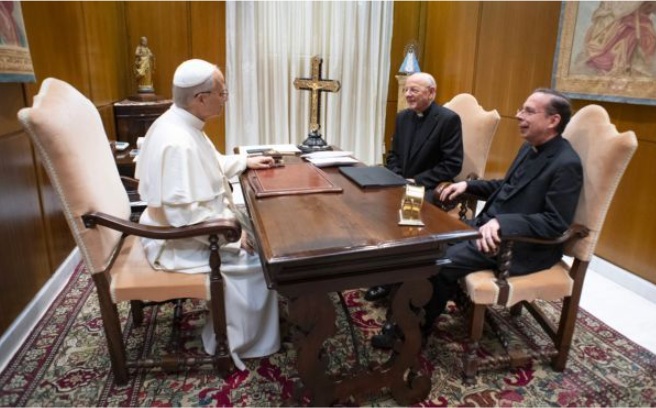
On a global scale, the institution has been forced into a defensive reform process. In 2022, Pope Francis intervened, stripping the Opus Dei of its status as a personal prelature and ordering a reform of its statutes. This was the first time in nearly a century that the organization faced such a direct rebuke from the Vatican. However, victims remain skeptical. They argue that the reforms are superficial and that the "culture of silence" remains deeply embedded in the organization’s DNA. The current fate of the institution rests in the hands of the Vatican, as the pressure from international bodies and survivor networks continues to mount.
Implications: A Call for Justice and Humanity
The implications of these testimonies extend far beyond the walls of the residences in Miraflores or Villa Tevere. They challenge the Catholic Church to account for how a powerful, elite organization was permitted to operate for decades as a "state within a state," exploiting the faith and vulnerability of women from the most impoverished regions of the Global South.
For Maria Minga, the goal is not just personal healing, but systemic change. "I want to speak out so that justice is done," she says, her voice steady. "Many women have been violated, and the Opus Dei has taken advantage of our vulnerability. It makes me nauseous when I think about it. I speak for justice and for humanity."
As Maria navigates her new life in Italy, attempting to build a future from nothing at the age of 43, her testimony stands as a testament to the thousands of women who remain trapped in the "Work." Her story is a stark reminder that the most profound abuses of power are often hidden behind the most pious of veils, and that the silence of the vulnerable is not a sign of consent, but a measure of the fear instilled by those who claim to serve God while oppressing His people.