Executive Summary: The Political Landscape Ahead
As the Peruvian political landscape readies itself for the transition to a new bicameral legislature, the political grouping Juntos por el Perú (JPP) has emerged as a focal point of debate and strategic planning. With the swearing-in of senators and deputies scheduled for Friday, July 24, the pressure is mounting for parties to finalize their leadership structures.
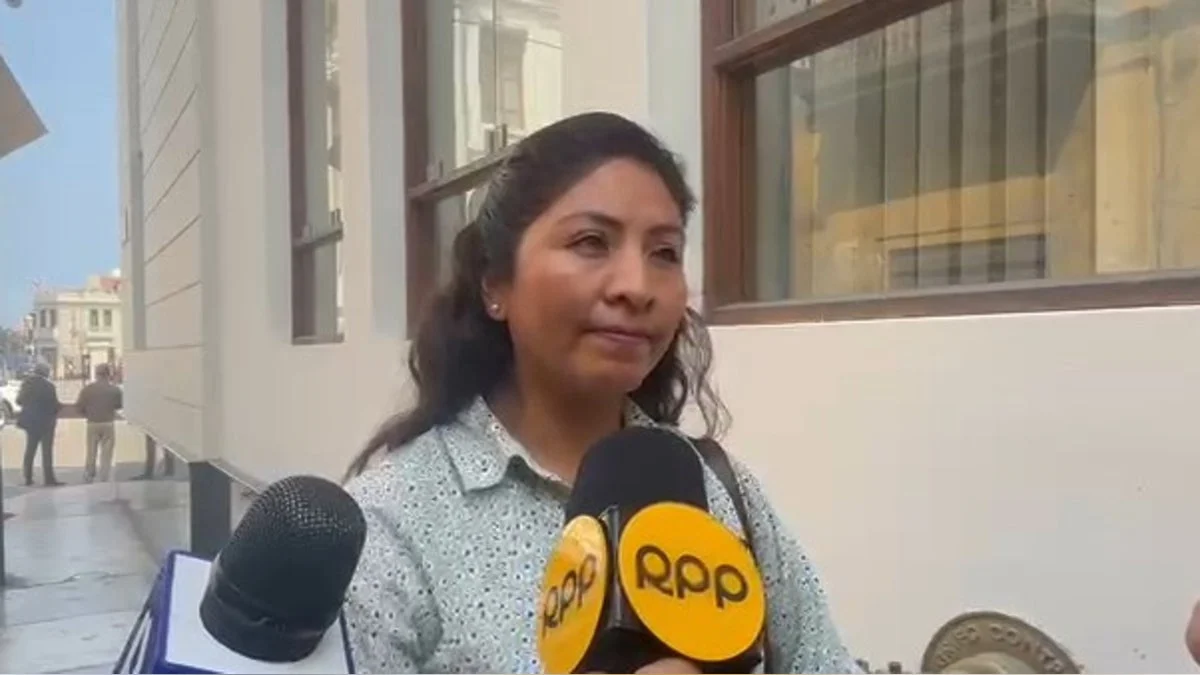
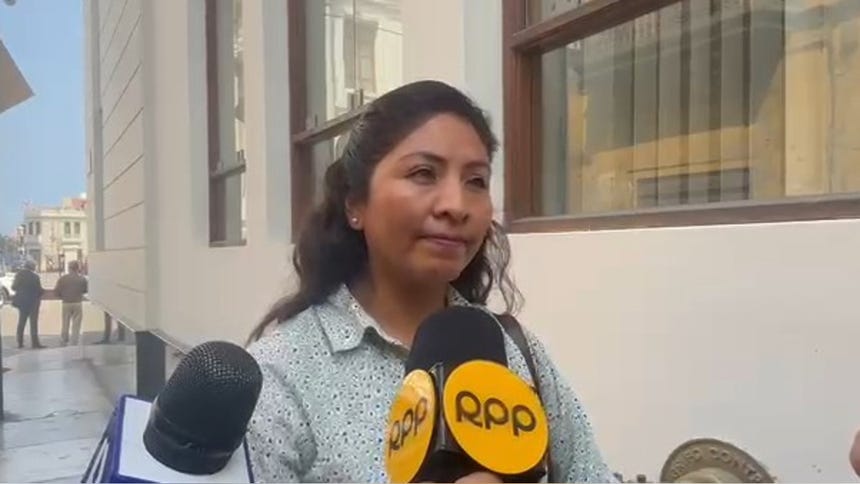
Analí Márquez, a key figure and newly elected deputy, has announced that the organization will meet this Tuesday, July 21, to solidify its roster for the parliamentary boards of both the Senate and the Chamber of Deputies. Márquez emphasized that the selection process is rooted in a search for “meritocratic candidates” who embody the integrity required for such high-stakes positions.
This pivotal moment in Peruvian politics occurs against the backdrop of the country’s return to a bicameral system, a structural shift that has sparked intense debate over fiscal responsibility, the ethics of public expenditure, and the necessity of regional representation in the capital.
Chronology of the Legislative Transition
The path toward the current parliamentary configuration has been marked by rigorous debate and institutional preparation.
- Mid-July 2026: Official announcements regarding the logistics of the new Congress confirm the transition to a bicameral format.
- July 20, 2026: Public discourse intensifies regarding the controversial "installation bonus"—a one-time payment provided to newly elected parliamentarians to facilitate their relocation and setup in Lima.
- July 21, 2026 (Scheduled): Juntos por el Perú convenes a critical internal meeting. The primary objective is to finalize the list of representatives who will occupy seats in the congressional leadership.
- July 24, 2026: The official date for the swearing-in ceremony of the new senators and deputies, marking the formal inauguration of the bicameral body.
The Strategic Focus: Defining "Idoneidad" (Suitability)
The term "personas idóneas"—individuals possessing the required suitability and merit—has become the rallying cry for Juntos por el Perú. According to Deputy-elect Analí Márquez, the party is not merely filling quotas but is conducting an intensive internal review to ensure that those who represent the group in the parliamentary leadership have the moral and professional standing to lead the country’s legislative agenda.
"Tomorrow we will meet with all the elected colleagues of Juntos por el Perú, and we will certainly announce in due course who will represent us. These will be, without a doubt, suitable people—individuals who truly deserve this space," Márquez stated.
The criteria for this "suitability" appear to be twofold: technical competence and alignment with the party’s ideological platform. By focusing on merit, JPP aims to project a image of stability and reform, distinguishing itself from traditional political blocs that have been criticized for prioritizing party loyalty over technical expertise.
The Controversy of the Installation Bonus
A significant portion of the current public debate revolves around the "installation bonus." This financial benefit, intended to assist lawmakers coming from remote regions to settle in Lima, has become a litmus test for the ethical commitment of the new congressional intake.
The Case for Regional Necessity
Analí Márquez, hailing from the high-altitude province of Chumbivilcas in Cusco, has defended her intent to accept the bonus. For representatives from rural or remote regions, the move to Lima is not a mere convenience but a financial burden.
"I come from the Cusco region, from one of the high provinces of Chumbivilcas, and we just arrived today after a very long journey," Márquez explained. For her, the bonus is a practical tool that allows regional representatives to function effectively in the capital without personal financial ruin.
The Stance on Lima-based Representatives
However, the narrative shifts sharply when addressing lawmakers already residing in Lima. Márquez was firm in her assessment: "Those who live in Lima, the capital, I believe should not have the need [for the bonus], because they have their house here, they have their family here. So, there would be no need for this, although it is legally a right."
This nuanced position highlights an emerging divide within the political class. While the law may entitle all members to the bonus, the court of public opinion—and increasingly, internal party discipline—is demanding a more restrained approach to public spending. JPP has indicated that the decision to accept or waive this payment will be subject to collective evaluation within the party, suggesting a move toward a more unified and disciplined voting bloc.
Implications for the Bicameral Congress
The transition to a bicameral Congress is intended to provide a system of checks and balances that the previous unicameral system lacked. However, the success of this model depends heavily on the quality of the individuals chosen to lead the committees and the legislative chambers.
1. Institutional Stability
By prioritizing "suitable" members, JPP hopes to act as a stabilizing force in a congress that is often prone to fragmentation. If the major parties can successfully navigate the selection of leadership based on competence, the legislative process could become more efficient and less susceptible to the petty partisan bickering that has historically stalled policy implementation in Peru.
2. Fiscal Ethics as a Political Tool
The ongoing discussion regarding the installation bonus is more than just about money; it is a signal of the political culture of the new Congress. If JPP and other parties move toward a policy of "voluntary renunciation" for those who do not require the funds, it could signify a new era of austerity and accountability. This is a critical development for a citizenry that has expressed deep skepticism toward the political establishment.
3. Regional vs. Centralist Power
The tension between the needs of the regions (like Chumbivilcas) and the centralist nature of Lima is a recurring theme in Peruvian politics. Márquez’s emphasis on her origin highlights the importance of keeping the perspective of the "provincias" at the heart of the national agenda. The parliamentary leadership will need to balance these interests to ensure that the bicameral system represents the entire nation, not just the capital.
Conclusion: A Test of Leadership
As Tuesday’s meeting approaches, the eyes of the public are fixed on Juntos por el Perú. The choices made in that meeting will provide a clear indication of whether the party is truly committed to a new way of doing politics or if it will fall into the patterns of the past.
The challenge for the incoming deputies and senators is significant. They must navigate a new legislative structure, manage the expectations of their constituents, and demonstrate a level of transparency that has been sorely lacking in recent years. Whether the "suitable" candidates chosen by JPP will be able to translate their personal integrity into tangible legislative success remains to be seen. However, by centering the conversation on merit and regional representation, JPP has set the stage for a critical debate on the future of governance in Peru.
As the nation waits for July 24, the political atmosphere remains charged with anticipation. The formation of the new Congress is not just a procedural formality; it is an opportunity for a reset in the relationship between the governed and the governors. For Analí Márquez and her colleagues, the work begins in earnest this week.