The Cusco Regional Government has officially launched an ambitious project to renovate the local educational administration hub in Espinar. Through the "Obras por Impuestos" (Works for Taxes) mechanism, this initiative promises to bridge the digital and infrastructural gap in one of the region’s most vital provinces.
1. Main Facts: A Landmark Investment in Educational Infrastructure
In a significant move to decentralize and improve public services in the Cusco region, Governor Werner Salcedo Álvarez has formalized the handover of land for the construction of a new headquarters for the Local Educational Management Unit (UGEL) of Espinar. This project, with a total investment exceeding S/ 29 million, represents a critical milestone in the regional strategy to modernize public institutions.
The scope of the project extends far beyond simple construction. It aims to revitalize the operational capacity of the educational administrative body, which serves as the backbone for schools, teachers, and students throughout the province. The new facility will feature modern administrative offices, multi-purpose halls, recreational areas, and comprehensive technical infrastructure. By integrating state-of-the-art equipment and ergonomic furniture, the project seeks to move away from the traditional, often obsolete, administrative settings of the past and into a modern, digitized, and efficient environment.
The execution of this project via "Obras por Impuestos" (OxI)—a mechanism that allows private companies to invest in public infrastructure in exchange for tax credits—highlights a successful model of public-private partnership. This approach is intended to expedite construction timelines, bypass bureaucratic bottlenecks, and ensure that the funds are utilized with high standards of efficiency.
2. Chronology of the Project
The journey toward this modernization project did not happen overnight. It is the result of long-term planning and strategic alignment between local needs and regional government policy.

- Initial Assessment (2024): Preliminary studies identified that the existing UGEL Espinar facilities were insufficient to meet the demands of a growing student population and the evolving needs of the provincial teaching force.
- Project Formulation (2025): The Regional Government of Cusco prioritized the project, developing the architectural blueprints and environmental impact assessments required for a facility of this scale.
- Private Sector Engagement: Through competitive bidding and collaborative outreach, the government secured private partners willing to utilize the OxI mechanism to fund the development.
- Approval and Budgeting: Following rigorous financial reviews, the S/ 29 million investment was confirmed, ensuring that both the construction and the essential equipment were fully covered.
- Formalization (July 2026): Governor Salcedo Álvarez officially signed the site handover act. This symbolic moment marked the transition from the planning phase to the physical construction phase, setting a clear path for the contractor to begin site preparation.
3. Supporting Data and Technical Scope
To understand the scale of the investment, one must look at the specific components included in the project design. The S/ 29 million budget is allocated to cover several critical areas of development:
Infrastructure Components:
- Administrative Hub: A central building designed to house all organizational units of the UGEL, providing a cohesive workspace that facilitates better communication between departments.
- Digital Integration: The facility will include dedicated data centers and high-speed networking capabilities to support modern educational management software, which is essential for managing student records, teacher allocations, and budgetary distribution.
- Auxiliary Facilities: The plans include a multi-purpose auditorium, modern staff facilities, and improved public service areas where parents and educators can conduct administrative business with ease.
- Site Security and Environment: The construction includes a complete perimeter wall and landscaping, ensuring a secure and welcoming environment for all visitors.
The Mechanism of Impact:
By utilizing the OxI model, the Cusco Regional Government is effectively leveraging private sector agility to solve public sector infrastructure deficits. This is particularly important for remote or high-altitude provinces like Espinar, where traditional public procurement processes have historically faced delays.
4. Official Responses and Stakeholder Vision
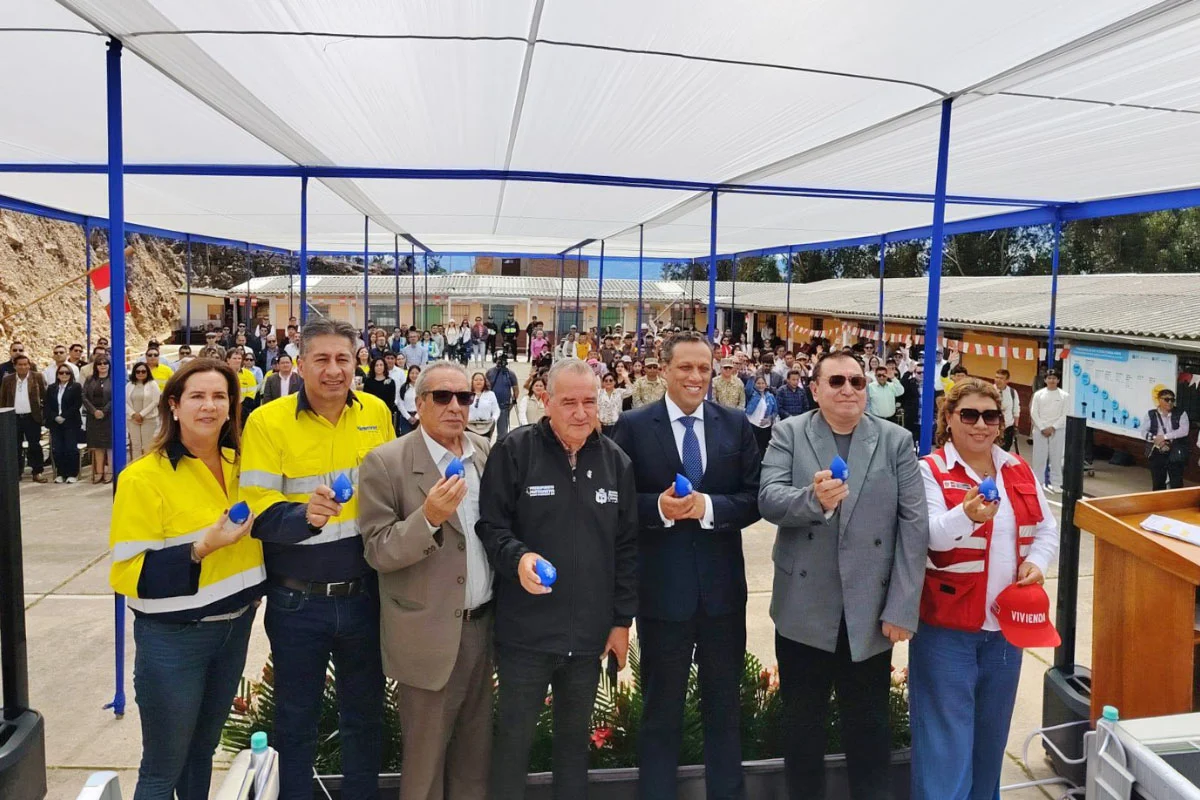
The signing ceremony was a high-profile event, attended by regional leaders, educational officials, and private sector representatives. The tone of the day was one of cautious optimism and a shared commitment to development.
Governor Werner Salcedo Álvarez’s Statement
Addressing the gathered crowd, Governor Salcedo Álvarez emphasized that the project is a testament to his administration’s philosophy of social justice. "Our management does not simply construct buildings; we are constructing opportunities for thousands of girls, boys, and young people," he remarked. "We are bringing development to areas that were previously neglected because we believe in a region with equal opportunities for all."
Broadening the Scope of Development
The Governor also touched upon the broader context of regional progress. "Espinar is the lighthouse that radiates development," he added, referring to the province’s importance to the regional economy. He noted that the partnership between the Regional Government and the private sector is the key to accelerating the pace of change in the Andes.

Voices from the Field
Vice-Governor Noely Loaiza Livano, who was present at the ceremony, reiterated the importance of the project in the context of decentralization. For the teachers and administrators in Espinar, the new building represents more than just a place to work; it is a sign that their contributions to the future of the region are being recognized and supported at the highest levels of government.
5. Implications for the Future of Education in Espinar
The impact of this facility will be felt across the entire provincial educational ecosystem. The implications are three-fold:
Improved Management Efficiency
Currently, many UGELs across Peru struggle with antiquated facilities that hamper document processing, administrative coordination, and the delivery of educational services. By centralizing operations in a purpose-built facility, the UGEL Espinar will be able to process teacher requests, school funding, and curriculum support much faster, directly impacting the quality of daily life for educators.
Strengthening Educational Quality
A well-supported administration can focus more on the "pedagogical accompaniment" of schools. With improved administrative efficiency, the staff at the UGEL will have more time and better resources to conduct site visits, monitor classroom performance, and provide training to teachers. This, in turn, translates into better learning outcomes for students.
A Model for Regional Development
The success of this project could serve as a blueprint for other provinces in Cusco and beyond. By proving that major infrastructure projects can be completed through transparent, private-led investment, the Regional Government is setting a standard for how to handle public funds. It creates a culture of accountability and results that will likely encourage further investments in health, infrastructure, and technology across the region.

Long-term Social Impact
Education is the most significant driver of social mobility. By investing S/ 29 million into the infrastructure that supports schools, the regional government is making a long-term bet on the human capital of Espinar. As the province continues to navigate the challenges of the 21st century, having a modernized, functional, and efficient educational headquarters will provide the stability needed to cultivate the next generation of regional leaders, professionals, and innovators.
Conclusion
The initiation of the new UGEL Espinar headquarters is a defining moment for the province. It represents a shift from reactive management to proactive development. As the construction crews prepare the ground, the expectations from the local community remain high. If the project is executed according to plan, it will not only provide a physical space for administrative work but will also stand as a landmark of modern governance, proving that with the right partnerships and the right priorities, the dream of an equitable and high-quality educational system is well within reach for the people of Cusco.