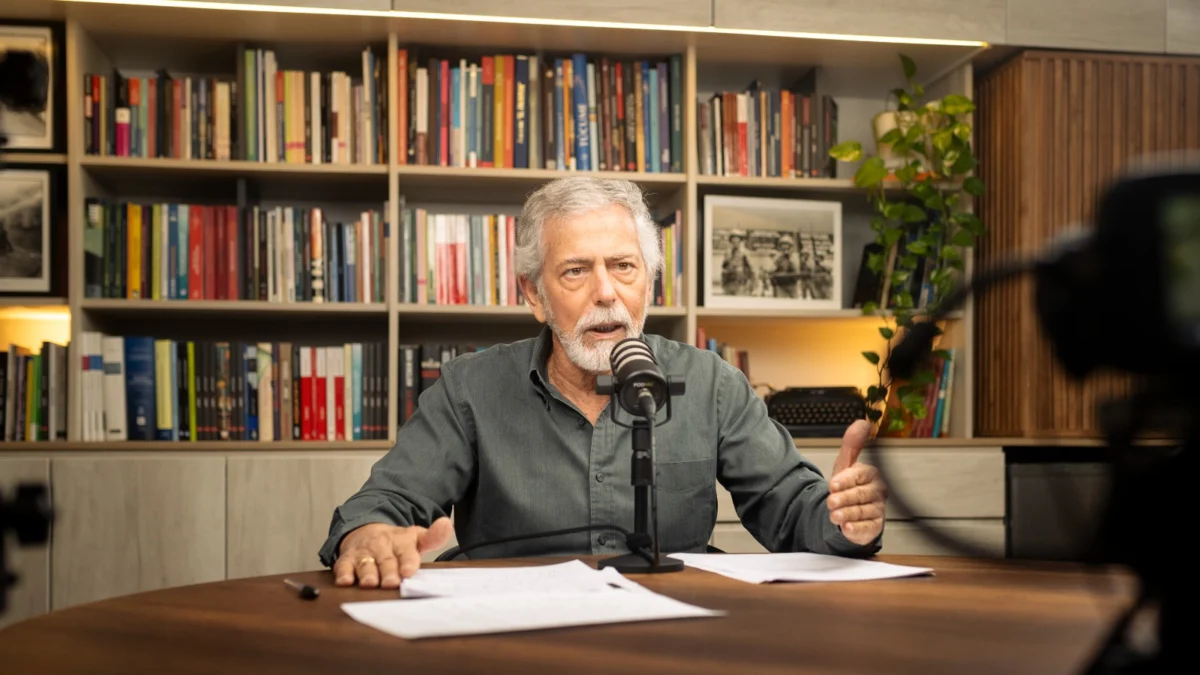
Miami, June 24, 2026 — In a move that has sent shockwaves through the global press freedom community, the Inter American Press Association (IAPA), in conjunction with the Committee to Protect Journalists (CPJ) and an international coalition of media watchdogs, has issued a formal and stinging condemnation of the Peruvian Congress. The legislative body stands accused of weaponizing the state’s judicial apparatus to silence Gustavo Gorriti, the veteran director of the investigative outlet IDL-Reporteros.
The controversy centers on a newly approved congressional report that recommends criminal prosecution against Gorriti, alleging corruption and influence peddling. For international observers, the move is not merely a legal dispute; it is a calculated effort to dismantle one of the most effective investigative units in Latin America, which has spent years peeling back the layers of corruption within the nation’s highest corridors of power.
The Core Conflict: A Legislative Assault on Accountability
The crisis stems from a report generated by a congressional commission led by legislator Alejandro Muñante, a prominent figure in the Renovación Popular party. The commission was ostensibly formed to investigate the collaboration agreement between the Peruvian state and the Brazilian construction conglomerate Odebrecht—the epicenter of the Lava Jato (Car Wash) scandal that has toppled governments across the continent.
However, the resulting report deviates from standard legislative oversight, instead shifting its focus toward those who uncovered the scandal. It accuses Gorriti of orchestrating a quid-pro-quo relationship with prosecutors, suggesting that his investigative work was a form of "media favors" designed to influence judicial outcomes.
The international community, including journalists from 18 nations, has flatly rejected these charges. They characterize the report as a "politically motivated hit piece" designed to intimidate journalists into revealing confidential sources and to neutralize those who threaten the status quo.
Chronology of a Targeted Campaign
The current legislative action is not an isolated event but the culmination of a systematic, years-long campaign of harassment against IDL-Reporteros.
- 2018–2019: IDL-Reporteros publishes the Lava Juez (Judge Wash) investigation, exposing a vast network of corruption within the Peruvian judiciary—a scandal known as "Los Cuellos Blancos del Puerto." The report leads to widespread institutional crisis and the removal of numerous corrupt judges and prosecutors.
- 2019: Gorriti and his team receive the prestigious Global Shining Light Award from the Global Investigative Journalism Network (GIJN) for their exhaustive work on the Lava Jato case.
- 2021–2023: As the political climate in Peru becomes increasingly volatile, attacks from the far-right, specifically from Renovación Popular leader Rafael López Aliaga, intensify. López Aliaga is recorded making thinly veiled threats, publicly stating, "We have to take care of this gentleman once and for all," referring to Gorriti.
- April 2024: The Peruvian Prosecutor’s Office launches a series of maneuvers aimed at coercing IDL-Reporteros into surrendering the identity of their confidential sources, a fundamental breach of journalistic ethics and international human rights standards.
- June 2026: The Congressional commission, chaired by Muñante, approves the final report recommending that Gorriti face criminal charges for "cohecho" (bribery) and "tráfico de influencias" (influence peddling).
The Institutional Paradox: Who Investigates the Investigators?
A deeply troubling aspect of this case is the identity of the actors involved. The congressional report is to be forwarded to the nation’s Prosecutor General, Tomás Gálvez. Gálvez, until only recently, was a target of the very investigations led by Gorriti regarding the "Cuellos Blancos" scandal.
This creates a clear conflict of interest, which the IAPA and other organizations have flagged as a dangerous subversion of the rule of law. When individuals who have been the subjects of journalistic scrutiny are empowered to initiate criminal proceedings against their investigators, the concept of an independent judiciary effectively ceases to exist.
"We are witnessing the weaponization of the legislative branch," noted a spokesperson for the coalition. "By labeling investigative journalism as a crime, the Congress is attempting to create a chilling effect where no one dares to investigate the powerful."
Implications for Democracy and Press Freedom
The implications of this case extend far beyond the personal well-being of Gustavo Gorriti. The systematic targeting of IDL-Reporteros sends a clear message to all Peruvian journalists: investigations into corruption carry a high personal risk, including potential imprisonment.
The Erosion of Investigative Journalism
In a healthy democracy, the press serves as a watchdog. In Peru, the government’s current trajectory suggests a move toward a "managed democracy" where critical reporting is reframed as "subversion" or "criminal conspiracy." If successful, this campaign would force the closure or self-censorship of the country’s most prominent independent media outlets.
The Precedent of "Lawfare"
This case is a classic example of "lawfare"—the use of legal systems and institutions to damage or delegitimize an opponent. By dragging journalists through years of litigation, the state drains the financial and psychological resources of independent outlets, effectively neutralizing their ability to work.
International Isolation
The condemnation from 18 countries highlights Peru’s growing isolation on the international stage. As the country slides further away from international standards regarding the protection of journalists, it risks losing credibility with international development banks, human rights bodies, and democratic allies who view a free press as a prerequisite for stable governance.
Supporting Data and Evidence
The accusations against Gorriti have been systematically dismantled by the international press community. The commission’s report fails to provide evidence of actual bribery or influence peddling, relying instead on a narrative that suggests any interaction between a journalist and a source is inherently corrupt.
- Quality of Reporting: IDL-Reporteros’ work on Lava Jato resulted in the arrest and prosecution of several former presidents and high-ranking officials. The rigor of these investigations was verified by international bodies, making the charge of "obstructing justice" particularly ironic, as it was Gorriti’s work that allowed the justice system to function in the first place.
- Pattern of Hostility: The rhetoric employed by political figures like López Aliaga is not merely personal animosity; it is a strategic effort to incite the public against the press. Social media analytics show that periods of intense political pressure against the Congress often coincide with surges in online vitriol and physical threats directed at the IDL-Reporteros offices.
The Path Ahead: Demands for Accountability
The international coalition has issued a clarion call to the Peruvian authorities:
- Halt the Criminalization: The Prosecutor General must reject the congressional report, citing its lack of legal merit and the clear conflict of interest of its proponents.
- Cease Hostility: The Congress must immediately stop using its investigative commissions as tools to persecute journalists.
- Guarantee Safety: The Peruvian state has an obligation under international human rights treaties to provide a safe environment for journalists to conduct their work without fear of reprisals.
As the situation develops, the eyes of the world are fixed on Lima. Whether the Peruvian judicial system chooses to act in accordance with the rule of law or becomes an instrument of political vengeance will determine the future of press freedom in the country. For Gustavo Gorriti and IDL-Reporteros, the fight is not just for their own defense, but for the fundamental right of the Peruvian people to know the truth about those who govern them.
The struggle continues, and as the global community has made clear, the silencing of one journalist is an attack on the collective conscience of all who believe that transparency is the bedrock of liberty.