By Technology Desk
In an era defined by hyper-connectivity, the fragility of our digital infrastructure was laid bare this Friday, June 12, as Meta Platforms Inc. experienced a widespread and prolonged service disruption. Millions of users across the globe found themselves unable to access their Facebook, Instagram, and Threads accounts, sparking a cascade of confusion, frustration, and a temporary shift in global communication patterns.
The outage, which struck during peak morning hours in several time zones, served as a stark reminder of the immense reliance that individuals, small businesses, and multinational corporations place on the Meta ecosystem. While the service was eventually restored, the event has reignited debates regarding the centralization of internet services and the economic impact of sudden digital unavailability.
The Scope of the Disruption: A Digital Silence
Beginning in the early hours of Friday morning, users started reporting issues accessing Meta’s primary social networking platforms. The disruption was not localized; reports flooded in from North America, Europe, parts of Asia, and South America, confirming the global nature of the technical failure.
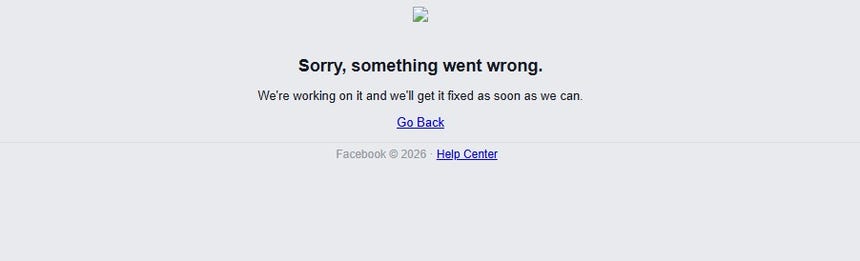
For the average user, the experience was remarkably consistent: upon attempting to log in, the screen would refresh to a generic error message reading: "Sorry, something went wrong. We’re working on it and we’ll get it fixed as soon as we can."
The failure prevented users from accessing their personal feeds, interacting with content, or conducting business through Meta’s advertising and marketing tools. While Facebook and Instagram were the most heavily affected, users also reported significant connectivity issues with Threads, the text-based social media platform launched by Meta as a competitor to X (formerly Twitter).
Interestingly, the digital blackout did not extend to WhatsApp. Despite also being a core component of the Meta portfolio, the encrypted messaging service remained fully operational, providing a vital, albeit limited, lifeline for users seeking to coordinate with friends and colleagues during the disruption.
A Chronology of the Outage
The event followed a predictable, yet chaotic, trajectory common to major infrastructure failures in the tech sector.
08:30 AM – The First Signals
The first significant spikes in outage reports began appearing on platforms like DownDetector and X. Initial reports were dismissed by many as localized connectivity issues, but the volume of complaints from diverse geographic regions quickly signaled that this was a systemic failure within Meta’s own server architecture.
09:00 AM – The Peak of Frustration
By 9:00 AM, the situation had escalated significantly. Millions of users were effectively locked out of their accounts. On competing platforms, specifically X, the hashtags #FacebookDown and #InstagramDown began trending globally. Users began to share screenshots of the error messages, and digital creators expressed concern over the interruption of scheduled content and marketing campaigns.
09:25 AM – Early Signs of Recovery
As frustration peaked, early indicators of a restoration of service began to emerge. Users in select regions reported the ability to log back into their accounts, although performance remained sluggish and inconsistent for a period as the company’s servers likely struggled with the surge of users attempting to reconnect simultaneously.
10:00 AM – Normalization
By mid-morning, the vast majority of services had returned to standard functionality. Meta’s status pages, which had remained largely silent during the most critical moments of the outage, finally indicated that the technical difficulties had been addressed.
Technical Implications: Why Do These Outages Occur?
While Meta has yet to provide a detailed technical post-mortem, experts in network infrastructure suggest that such large-scale outages are rarely the result of a single "switch" being flipped. Instead, they are usually the byproduct of complex software updates, database synchronization errors, or issues with the Border Gateway Protocol (BGP)—the system that directs internet traffic to the correct destination.
"When you have platforms at the scale of Facebook and Instagram, the infrastructure is so complex that even a minor misconfiguration in a routing table or a database update can cause a domino effect," says Dr. Aris Thorne, a network systems analyst. "These systems are designed to be redundant, but when the redundancy systems fail to communicate correctly, you end up with a global blackout."
The fact that WhatsApp remained operational is telling. It suggests that the failure was localized to the social media application stack rather than a broader collapse of Meta’s data centers or global backbone network.
The Economic and Social Fallout
The impact of a major social media outage extends far beyond the inability to scroll through a feed. In the modern digital economy, Meta’s platforms serve as the primary storefront for millions of small businesses.
The Small Business Crisis
For many entrepreneurs, a two-hour outage represents a significant loss in potential revenue. Companies that rely on Instagram’s "Shop" features or Facebook’s advertising platform to drive traffic to their websites reported a complete halt in conversion tracking and sales inquiries. For e-commerce businesses, two hours of downtime during a promotional period can lead to thousands of dollars in lost opportunities.
The Shift to Alternatives
As Meta’s platforms faltered, users flocked to alternative services. The spike in traffic to competing platforms like X, Telegram, and Signal was immediate. This migration highlights the "fragility of convenience." When one platform fails, the ecosystem of the internet shifts temporarily, testing the capacity of secondary platforms to handle sudden, massive influxes of new traffic.
Meta’s Response and Future Preparedness
At the time of this writing, Meta has issued a brief, boilerplate apology, acknowledging the inconvenience caused to their billions of users. However, in the tech industry, stakeholders are calling for more transparency.
"Users deserve to know if this was a human error, a cyber-attack, or a systemic software failure," says technology policy advocate Elena Vance. "When you provide a utility that billions of people use to conduct their daily lives, the standard of accountability must be higher than a generic ‘something went wrong’ message."
The company is currently under increasing regulatory scrutiny worldwide, with recent news including the Brazilian Supreme Court’s mandate for social media companies to adapt to stricter illegal content norms, and China’s prohibition of Meta’s acquisition of the AI platform Manus. These pressures, combined with technical instabilities, place Meta in a difficult position as it attempts to maintain its dominance in an increasingly volatile digital market.

Looking Ahead: The Risks of Centralization
The June 12 outage is not an isolated incident. History is replete with similar events—the massive 2021 Facebook outage remains the industry benchmark for systemic failure. These incidents force us to confront the risks inherent in the centralization of the internet.
When a handful of corporations own the platforms where the majority of global discourse, business, and social connection occurs, the systemic risk increases exponentially. The "Meta ecosystem" is so deeply integrated into the fabric of the internet that its failure is, effectively, a failure of the internet itself for the average person.
Recommendations for Users and Businesses
To mitigate the risks of future outages, experts recommend:
- Diversification: Businesses should maintain a multi-channel presence that includes email marketing, official websites, and alternative social media platforms.
- Offline Preparedness: Critical communications should never rely solely on a single platform.
- Patience and Perspective: Users are reminded that while these platforms feel like essential public utilities, they remain private corporate services subject to the limitations of human-managed software.
Conclusion
As the digital dust settles, the events of this Friday morning serve as a sobering reminder of the technological scaffolding upon which our modern lives are built. While Meta’s services are once again running, the questions regarding their reliability and the implications of such mass connectivity disruptions remain. As we become increasingly reliant on these platforms, the pressure on companies like Meta to ensure near-perfect uptime will only continue to mount. For now, the world is back online, but the memory of the "digital silence" remains a topic of conversation across the very networks that failed.