Lima, Peru – May 27, 2024 – Peru stands on the precipice of a historic opportunity to solidify its position as a strategic global supplier of critical minerals, essential for the ongoing energy transition and the burgeoning field of artificial intelligence. However, realizing this potential and translating it into tangible economic growth and widespread societal well-being hinges on decisively addressing significant hurdles. These include unlocking a substantial pipeline of stalled mining projects, streamlining labyrinthine bureaucratic processes, and bolstering the state’s capacity to effectively manage and facilitate development. These critical points were underscored by a distinguished panel of specialists and business leaders during a pivotal roundtable discussion.
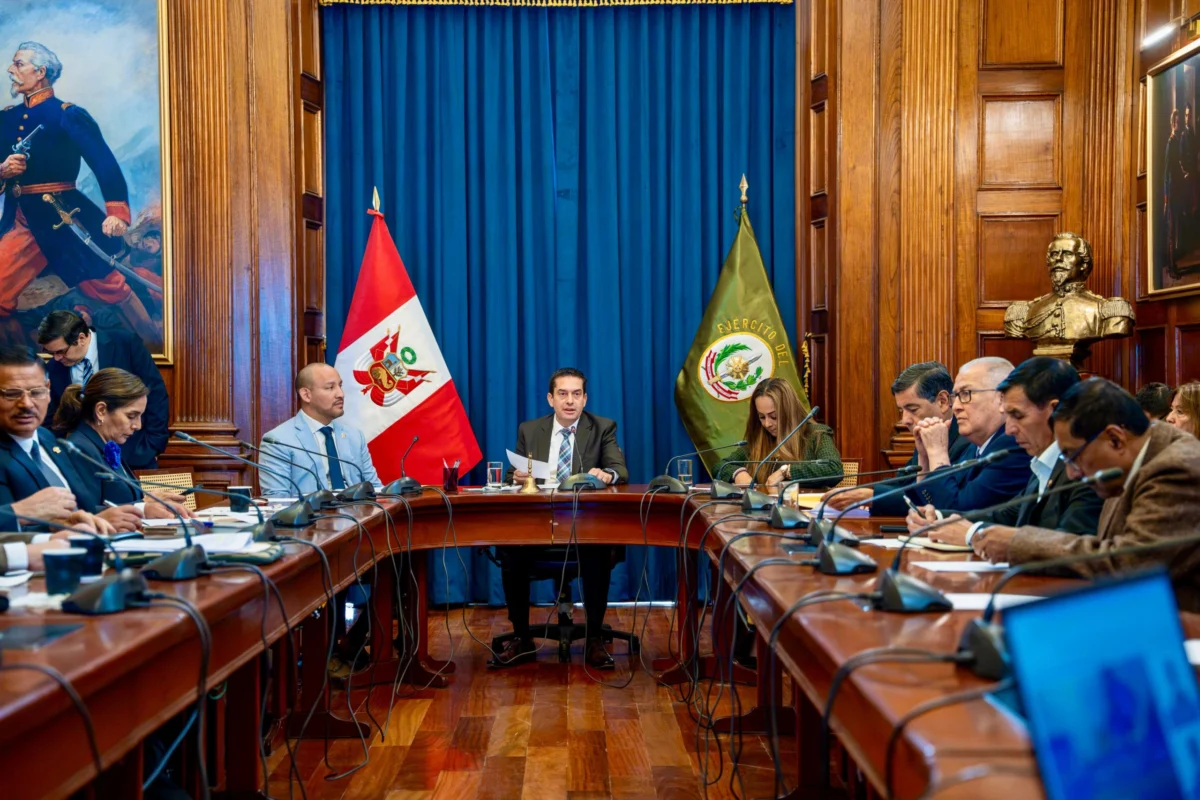
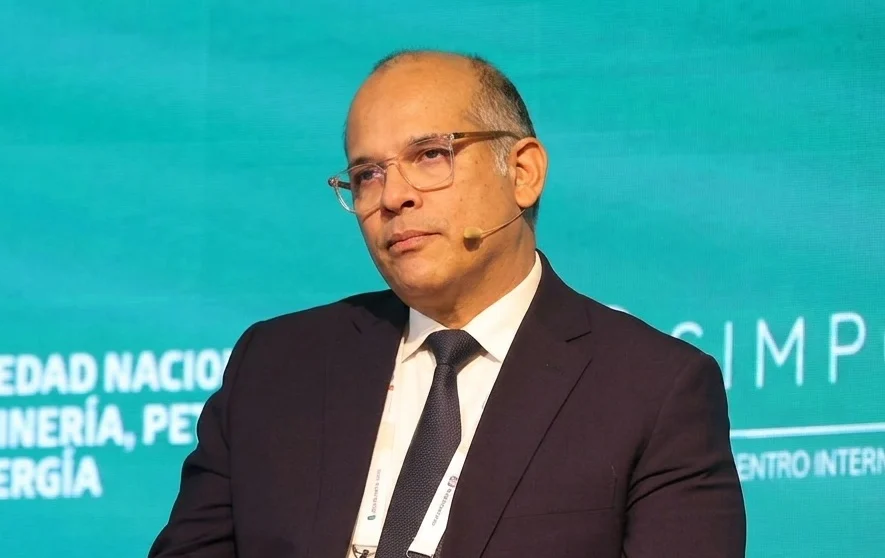
The session, titled "Public Policy Proposals for the Mining Sector 2026-2031," was held as part of the XVI International Mining Encounter – SIMPOSIO – an event meticulously organized by the National Society of Mining, Petroleum, and Energy (SNMPE). The roundtable, moderated by Luis Miguel Castilla, Executive Director of Videnza Institute, brought together a formidable group of experts to dissect the challenges and chart a course for a more robust and inclusive mining sector. Participants included Antonio Cusato, Country Economist for Peru at the World Bank; David Tuesta, President of the Private Competitiveness Council; Felipe James, President of the National Society of Industries (SNI); and Julia Torreblanca, President of the SNMPE. Their collective insights painted a stark picture of untapped potential battling persistent systemic inefficiencies.
The Untapped Reservoir: A US$64 Billion Portfolio Facing Stagnation
The sheer scale of Peru’s unfulfilled mining promise was a recurring theme throughout the discussion. Luis Miguel Castilla highlighted that the nation’s mining project portfolio currently boasts an impressive valuation exceeding US$64 billion. Yet, a staggering number of these ventures – approximately 50 projects – remain in a state of paralysis, meaning only about a third of this immense potential is currently being realized. This stark reality is particularly poignant given Peru’s current economic landscape.
Castilla, a former Minister of Economy and Finance, emphasized that Peru is experiencing its most favorable terms of trade since 1951. This advantageous position is not solely attributed to the sustained economic dynamism of China, a major global consumer of raw materials. It is also significantly driven by the escalating global demand for minerals that are indispensable for two of the most transformative forces of our time: the global transition to renewable energy sources and the rapid advancement of artificial intelligence. These megatrends are creating an unprecedented appetite for the very resources that Peru possesses in abundance. The opportunity, therefore, is not merely economic; it is strategic, positioning Peru as a crucial player in shaping a sustainable and technologically advanced future.
The Stranglehold of Bureaucracy and Inefficiency
While the global demand and Peru’s natural wealth present a compelling case for optimism, the domestic realities paint a more challenging picture. David Tuesta, President of the Private Competitiveness Council, articulated that Peru can only realistically aspire to resume growth rates exceeding 6% by prioritizing the reactivation of these currently stalled large-scale mining projects. He pointed to several persistent impediments that continue to undermine the country’s competitiveness: elevated business operating costs, pervasive regulatory obstacles, and a persistent issue of low labor productivity.
Tuesta minced no words in identifying a fundamental systemic flaw: "The big problem is that no one is ultimately held accountable for ensuring that reforms actually work." This lack of clear responsibility, he warned, creates a fertile ground for inefficiency. His assertion was powerfully illustrated by the stark reality faced by mining ventures: a single project can be bogged down by over 200 separate administrative procedures and necessitate engagement with more than 30 different public entities. This intricate and often convoluted web of approvals and permits acts as a significant deterrent to investment and a drag on progress.
Echoing these sentiments, Julia Torreblanca, President of the SNMPE, identified excessive "tramitología" – a colloquial term for excessive red tape and bureaucratic procedures – as the principal barrier to unlocking the mining project pipeline. She advocated for a tangible solution: the implementation of a truly interoperable single-window system. Such a system would streamline interactions between critical government bodies, including the Ministry of Energy and Mines, the Ministry of Culture, and the National Water Authority, among others. "We all know that these US$64 billion in projects in the pipeline will not materialize if we do not address the root cause of the problem: ‘tramitología’ and the enormous quantity of permits required to develop formal mining," she stated emphatically. The current system, it appears, is not designed for efficiency but rather for protracted deliberation, inadvertently hindering the very development it should be facilitating.
The State’s Capacity Crisis: A Shadow Over Public Investment
The challenges extend beyond the mining sector’s direct regulatory environment to the broader capacity of the state to execute public investment effectively. Antonio Cusato, Country Economist for Peru at the World Bank, sounded an alarm regarding the observed deterioration in the state’s ability to implement public investment projects. His analysis revealed a deeply concerning statistic: as of 2023, approximately 64,000 public projects were either abandoned or remained incomplete. This staggering figure represents a substantial 45% of Peru’s entire active public investment portfolio.
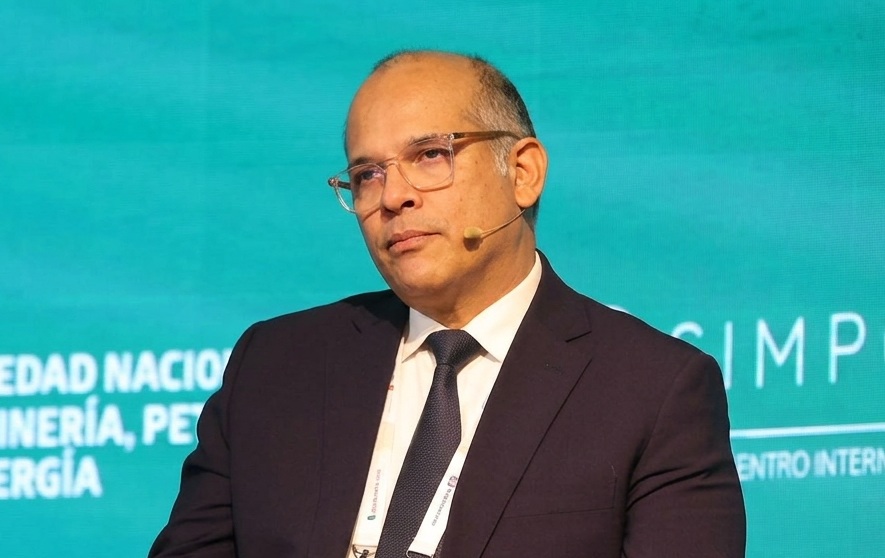
Cusato’s sobering assessment implies a critical need for introspection and reform within public administration. He posited that "we would have to stop creating new public projects for three years to be able to conclude those that are already underway." This stark observation highlights a systemic issue where the initiation of new endeavors often overshadows the completion of existing ones. The World Bank economist attributed a portion of this problem to what he described as the excessive flexibility of the public investment system, coupled with the recurrent practice of changing prioritized projects with each fiscal year. This lack of consistent long-term planning and a tendency towards short-term adjustments creates an environment of perpetual unfinished business, undermining the very purpose of public spending.
Diversifying Growth Engines: Beyond Mining and Agro-Industry
While acknowledging the indispensable role of mining and agro-industry as foundational pillars of the Peruvian economy, Felipe James, President of the National Society of Industries (SNI), stressed that these sectors alone will not suffice to bridge the nation’s significant social and territorial divides. He advocated for a proactive strategy to cultivate new engines of growth, specifically targeting industries, tourism, and the development of productive linkages.
James articulated a vision where mining could transcend its traditional role and become a catalyst for broader industrial expansion. "Mining can become the great engine that drives other industrial sectors," he suggested. To achieve this, he proposed strengthening logistical infrastructure and critically evaluating sector-specific policies that have historically underpinned economic success, drawing parallels to the policies that propelled the agro-export boom in recent decades. This forward-looking perspective emphasizes the need for a diversified economic strategy that leverages existing strengths while actively cultivating new avenues for sustainable and inclusive growth.
The Urgency of Action: The First 100 Days Imperative
As the panel discussion drew to a close, Luis Miguel Castilla posed a crucial question to the participants: what would be the single most urgent change the next government should implement within its first 100 days to ensure that mining contributes to more inclusive growth? The responses underscored a shared sense of urgency and a clear consensus on immediate priorities.
Julia Torreblanca of the SNMPE pinpointed "the prioritization of projects and the efficient and transparent management of available resources" as the paramount immediate action. Felipe James of the SNI reiterated the call for "unblocking and de-bureaucratization." David Tuesta reinforced Torreblanca’s emphasis on prioritization, stating that "prioritizing project execution is urgent." Antonio Cusato highlighted the indispensable role of the state, asserting that "the presence of the state in mining areas is fundamental, and the quality of public services must improve for the benefit of the population."
These collective pronouncements from leaders representing key sectors of the Peruvian economy underscore a critical juncture. Peru possesses the natural resources and a globally recognized demand for its mineral wealth. The challenge lies not in the potential, but in the execution. Addressing the bureaucratic quagmire, enhancing state capacity, and fostering a more strategic and transparent approach to project development are not merely policy recommendations; they are urgent imperatives. The next government faces the momentous task of translating this historic opportunity into tangible benefits for all Peruvians, ensuring that the nation’s mineral wealth serves as a true engine for inclusive and sustainable prosperity.
The panel discussion was a cornerstone of the XVI SIMPOSIO – International Mining Encounter, which convened from May 26th to 28th at the JW Marriott Hotel Lima. The event, held under the inspiring theme "Mining that Integrates, Builds the Present, Transforms the Future," served as a vital platform for dialogue and collaboration among stakeholders committed to shaping the future of Peru’s vital mining sector.