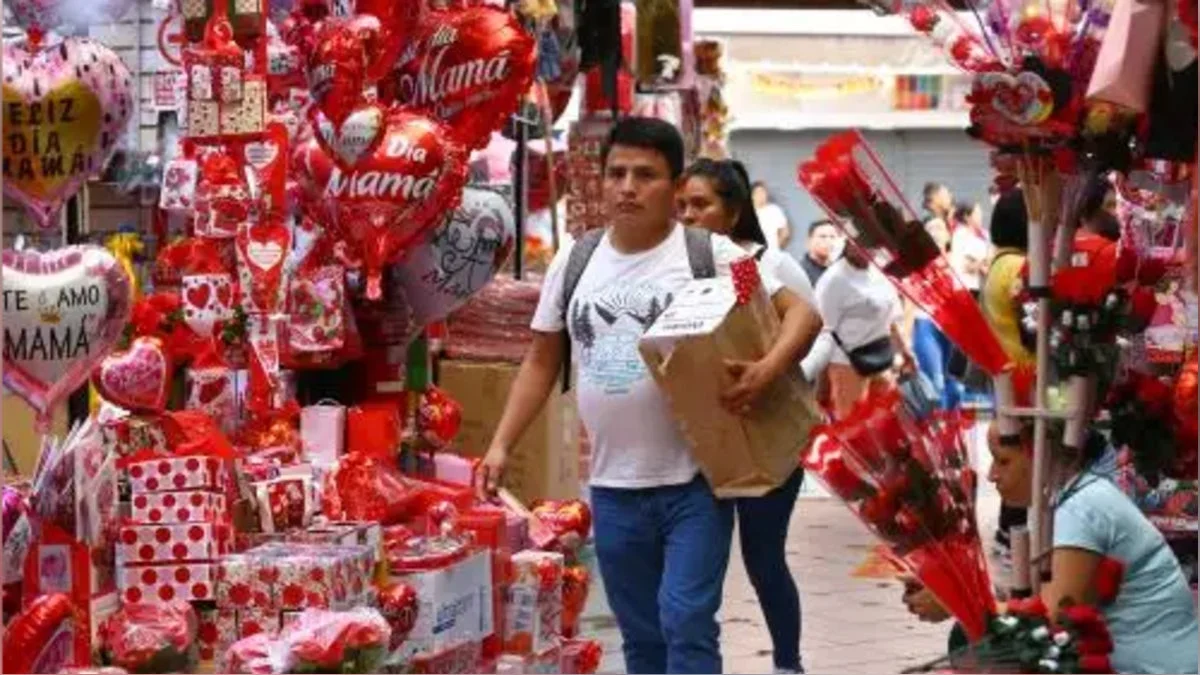
As the calendar approaches one of the most significant dates in the Peruvian commercial calendar, the streets of Lima are transforming into bustling hubs of activity. For retailers and shoppers alike, Mother’s Day 2026 represents a critical juncture—a litmus test for the capital’s economic pulse. Despite a complex political climate and shifting global economic headwinds, the latest data suggests that the emotional imperative to honor mothers remains a formidable driver of retail activity in Lima.
A comprehensive study conducted by the Market Research Group (GRIM) of the Universidad San Ignacio de Loyola (USIL) reveals that more than 90% of Lima’s residents are planning to purchase a gift this year. This robust statistic highlights a trend of "emotional insulation," where the desire to celebrate family values overrides external socio-political anxieties.
Main Facts: A Robust Market Amidst Uncertainty
The findings of the USIL-GRIM report paint a picture of a consumer base that, while cautious, is fundamentally committed to this tradition. The 90% participation rate is not merely a number; it is a testament to the cultural importance of the date. Notably, the study indicates that 72% of respondents feel that the current political climate will have little to no impact on their purchasing decisions.
In terms of financial commitment, the market is showing stability. Consumers are not necessarily tightening their belts, but they are becoming more intentional. The most common expenditure bracket is between S/100 and S/200, representing 41% of the market, followed by a 27% segment that plans to spend between S/50 and S/100. This indicates a "middle-ground" spending strategy that favors quality and meaningful gestures over excessive luxury.
Chronology of a Campaign: The Last-Minute Phenomenon
One of the most striking insights from the research is the temporal pattern of consumer behavior. The "last-minute rush" remains the standard for the Limeño shopper. According to the data, 48% of consumers wait until the very week of the celebration to finalize their purchases.
This behavioral trend creates a highly compressed and intense commercial window. While retail outlets often attempt to build momentum throughout the month of May, the bulk of transaction volume is concentrated in the final 72 to 96 hours before the date. For brands, this necessitates a high-stakes, short-term tactical approach. Marketing campaigns that were effective in early May must pivot rapidly to "urgent" messaging as the deadline approaches, focusing on stock availability, gift wrapping services, and immediate delivery options.
Supporting Data: Changing Preferences and Product Categories
The hierarchy of gift preferences has undergone a subtle but significant evolution. While historically dominated by household appliances, the 2026 data shows a clear shift toward personal fulfillment and individual experiences.
The Top Tiers of Consumption:
- Fashion and Accessories: Holding the lead with 40% of consumer preference, apparel remains the "safe and appreciated" choice for many.
- Beauty and Wellness: Accounting for 17% of the market, this category reflects a growing trend toward self-care and luxury personal items.
- Jewelry: Capturing 16% of the market, this remains a classic, high-value choice for those seeking to mark the occasion with a permanent token of affection.
Perhaps most revealing is the decline of household appliances, which now account for only 6.7% of purchases. This decline marks a fundamental shift in how the role of the mother is perceived in modern Peruvian society. The modern consumer is increasingly moving away from utilitarian gifts toward items that prioritize the mother’s personal enjoyment, individuality, and emotional well-being.
Furthermore, there is a burgeoning market for "experience-based" gifts. Travels, tech-gadgets, and cash gifts are emerging as strong contenders, signaling a shift toward flexibility and consumer agency. When asked what drives their choice, 46% of shoppers cited product quality as the most critical factor—outweighing discounts or promotional pricing.
Official Responses and Expert Insights
Claudio Huamán de los Heros, Director of GRIM at USIL, underscores the psychological motivation behind these trends. "We are facing one of the few campaigns where spending remains firm, regardless of the environment," says Huamán de los Heros. "Mother’s Day has a profound emotional component that leads the consumer to prioritize this date above other budgetary considerations."
Regarding the delay in purchasing, Huamán de los Heros explains the logistical and psychological burden it places on the retail sector: "We see a consumer who decides late. This generates high commercial pressure in the final days and forces brands to adjust their strategies toward more intensive and short-term campaigns."
On the subject of the persistent dominance of brick-and-mortar stores—where 67% of shoppers still prefer to go—the expert notes that the physical experience is irreplaceable. "In dates like this, the consumer wants to be sure that the product meets their expectations. The in-store experience, the ability to touch the item, and the security of having it in hand immediately remains a determinant factor for the vast majority," he adds.
Implications: The Retail Landscape of 2026
The data carries significant implications for the retail sector in Lima and beyond. First, the resilience of physical retail—with only 23% opting for digital channels—serves as a reminder that omni-channel strategies must prioritize the "experience" of the physical shop floor. The physical store is not just a point of sale; it is a service hub for the last-minute shopper.
Strategic Implications for Businesses:
- Inventory Management: Since nearly half of the consumers buy during the week of the event, retailers must maintain high levels of inventory depth in the final days to prevent lost sales.
- Payment Preferences: With 47% paying via cash or debit and 46% opting for single-installment credit card payments, the lack of reliance on long-term financing suggests a healthy, if cautious, liquid economy for this specific campaign.
- The "Home" Focus: With 54% of families planning to celebrate at home, retailers should look for opportunities to bundle gifts with home-entertainment, gourmet, or decoration-related products.
The Cultural Context: Beyond the Transaction
Ultimately, the Mother’s Day phenomenon in Lima is a reflection of the Peruvian social fabric. The fact that the majority choose to celebrate at home speaks to the deeply ingrained nature of family life in the city. The act of buying a gift is not a mere commercial transaction; it is a ritual.
As brands navigate the remainder of the 2026 campaign, the winning strategy will be one that acknowledges this ritual. Consumers are not looking for the cheapest option; they are looking for the most meaningful one. They are looking for quality that honors the recipient and a purchasing experience that provides certainty in a fast-paced, often unpredictable, urban environment.
As we look toward the future of the retail industry in Lima, Mother’s Day remains the gold standard for gauging consumer sentiment. While the methods of shopping may continue to evolve, the underlying motivation—the desire to express gratitude to the maternal figure—remains a bedrock of the local economy. Whether through a piece of jewelry, a new accessory, or a shared travel experience, the intent is clear: to ensure that this day remains a celebration of connection, regardless of the broader political or economic climate.