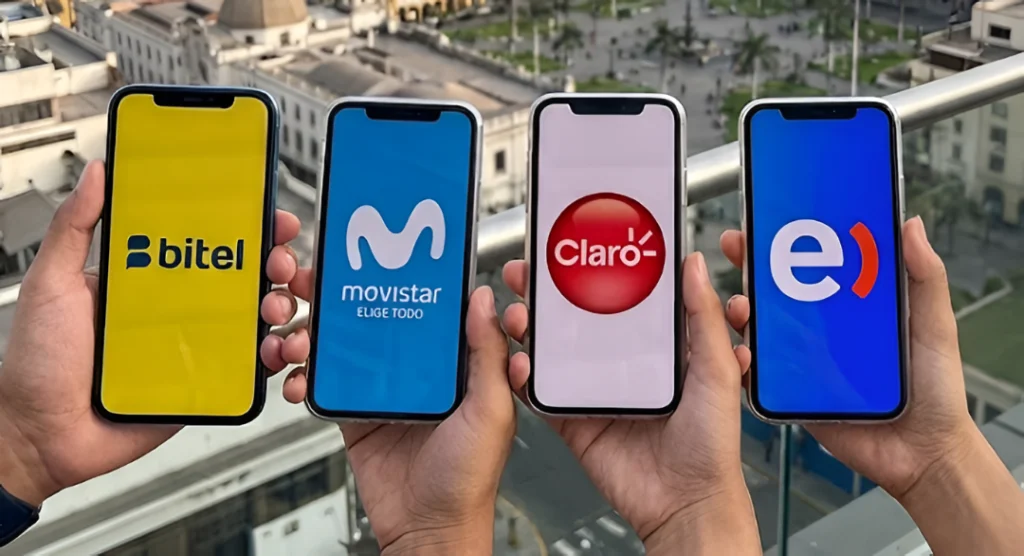
The telecommunications landscape in Peru continues to reflect a highly volatile and competitive environment, as confirmed by the latest report from the Supervisory Body for Private Investment in Telecommunications (OSIPTEL). In April 2026, the Peruvian mobile market witnessed a massive migration of users, with 520,465 lines changing operators. This figure marks the second consecutive month that portability operations have surpassed the half-million milestone, signaling a period of robust structural shifts within the industry.
While the total number of portability operations experienced a slight cooling compared to the 536,832 transactions recorded in March, the stability of these figures underscores a permanent shift in consumer behavior. Peruvian mobile users are no longer passive recipients of telecommunications services; they are active participants in a market defined by the pursuit of better data plans, superior coverage, and more aggressive pricing structures.
A Chronology of Market Shifts in Early 2026
The first quarter of 2026 set a high bar for the telecom sector, with operators aggressively discounting entry-level plans to capture market share. As the industry transitioned into the second quarter, April served as a barometer for whether this momentum could be sustained.
- March 2026: The industry peaked with 536,832 portations, driven by seasonal promotions and the introduction of new 5G-enabled packages across urban centers.
- April 2026: Market activity stabilized at 520,465 portations. While this represented a marginal decrease of approximately 3% from the previous month, the consistency in volume confirms that the "churn" rate—the speed at which customers switch providers—has settled at a high, predictable plateau.
This stabilization suggests that operators are beginning to shift their strategies from sheer volume acquisition to more targeted retention efforts, acknowledging that the "low-hanging fruit" of the market has already been picked.
Supporting Data: The Pospago Dominance
A deep dive into the data provided by the Database Administrator of Portability (ABDP) reveals a critical trend: the dominance of the postpaid (pospago) segment. In April 2026, postpaid users accounted for over 76% of all portability movements, totaling 397,628 lines.
This data is significant for several reasons. Postpaid users are generally considered more valuable to operators due to their recurring revenue streams and long-term contract commitments. The fact that this segment is the most active in terms of switching indicates that even high-value customers are sensitive to price adjustments and the quality of digital experiences. The remaining balance of portability operations consisted of prepaid users, a segment that traditionally exhibits higher volatility but lower individual revenue contribution.
Performance by Operator: The Battle for Net Gains
The competitive landscape in April was characterized by a distinct divergence in performance among the major players. Success in the current market is measured by "net gain"—the difference between customers gained and customers lost through the portability process.
The Leaders of the Pack
- Claro: Once again, Claro solidified its position as a market leader, securing a net positive balance of 14,689 lines. The company’s ability to consistently attract users suggests that their current marketing mix, which emphasizes network stability and value-added services, resonates strongly with the Peruvian consumer.
- Bitel: Demonstrating resilience, Bitel closed April with a net gain of 359 lines. While modest, this positive result in a highly competitive market confirms that Bitel’s strategy of targeting specific underserved demographics remains effective.
- Guinea Mobile: Perhaps the most intriguing development is the performance of smaller, niche-focused operators like Guinea Mobile. By targeting specific market segments and offering highly customized service models, they have proven that scale is not the only path to viability in the modern telecom era.
The Stagnation and Decline
- Entel: Positioned in the middle of the pack, Entel experienced a period of relative neutrality, losing only 42 net lines. This indicates a state of equilibrium, where the company is effectively retaining its current base while attracting enough new customers to offset its losses.
- Movistar: The incumbent operator continues to face headwinds, recording a net loss of 15,075 lines in April. However, market analysts have pointed out a silver lining: the rate of attrition has slowed significantly compared to the first quarter of the year. This suggests that the company’s recent investments in network infrastructure and customer service reforms may finally be beginning to stem the tide of departures.
Fixed-Line Telephony: A Contraction in Activity
In sharp contrast to the high-energy mobile sector, the fixed-line telephony market saw a dramatic contraction. During April, only 648 lines were ported, a staggering 73.83% decrease from the 2,476 portations recorded in March.
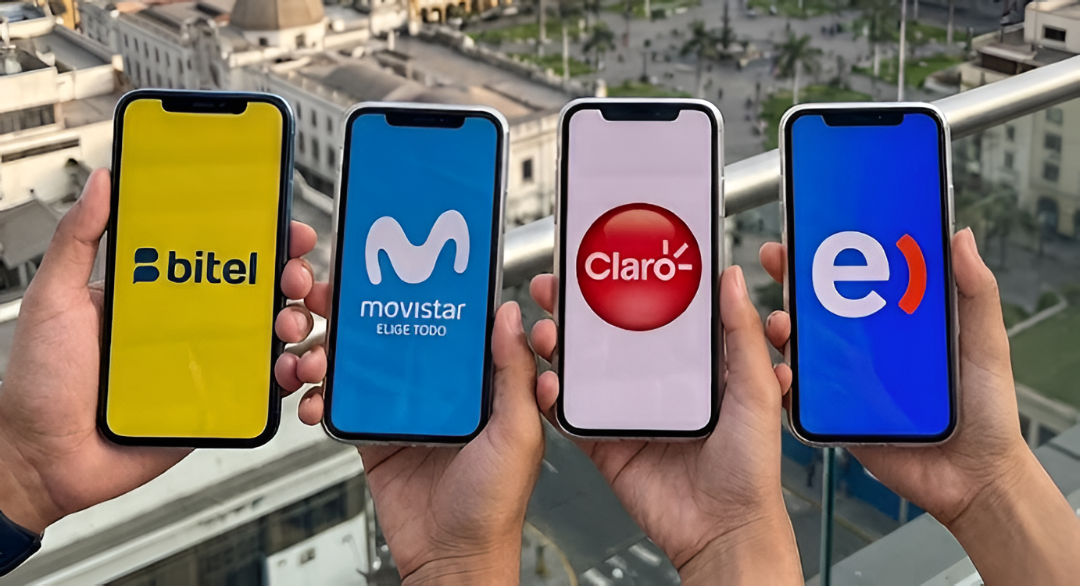
This decline is indicative of a broader trend: the obsolescence of traditional landline services in favor of mobile-first or fiber-optic-integrated solutions. In this space, ON Empresas emerged as a standout, achieving a net positive of 110 lines, while Movistar bore the brunt of the market decline, losing 324 fixed lines. The data suggests that fixed-line portability is becoming a niche concern, as the sector pivots entirely toward broadband and wireless connectivity.
Official Responses and Strategic Implications
OSIPTEL has emphasized that these figures should serve as a wake-up call for operators. The regulator noted that the current market environment rewards those who prioritize the "customer journey." As consumers become increasingly tech-savvy, the barrier to switching providers has been lowered—both technically and psychologically.
"The portability mechanism is no longer just a regulatory tool; it is the heartbeat of our competitive market," an OSIPTEL spokesperson noted. "Operators who fail to invest in customer loyalty and transparency will continue to see their net balances decline, regardless of how large their initial market share was."
The Road Ahead: Fidelity vs. Acquisition
The implications of the April data are clear: the era of indefinite customer loyalty is over. To sustain growth in the remainder of 2026, operators must pivot toward:
- Hyper-Personalization: Offering data plans that adapt to usage patterns rather than rigid, one-size-fits-all contracts.
- Network Quality Transparency: With OSIPTEL regularly publishing speed and latency rankings, operators must leverage their technical performance as a marketing asset.
- Customer Experience (CX) Optimization: Reducing the friction involved in service management, billing, and technical support.
Conclusion: A Market in Perpetual Motion
The April 2026 statistics confirm that the Peruvian telecommunications sector is in a state of perpetual, high-velocity motion. With over half a million users opting to switch providers, the message to the industry is unambiguous: the Peruvian consumer is empowered, informed, and ready to defect if their expectations for price and performance are not met.
As we look toward the second half of the year, the competition is expected to intensify. With the entry of smaller players and the aggressive defensive tactics of the incumbents, the market will likely see continued volatility. However, this turbulence is a positive indicator for the end-user, as it drives innovation, forces price competition, and ensures that telecommunications companies remain accountable to the millions of citizens they serve.
The battle for the Peruvian mobile market is no longer about who has the most customers, but who can best earn the loyalty of the ones they have. As the year progresses, all eyes will be on the quarterly reports to see if the trends established in April hold, or if the market is headed for a more radical shift in power.