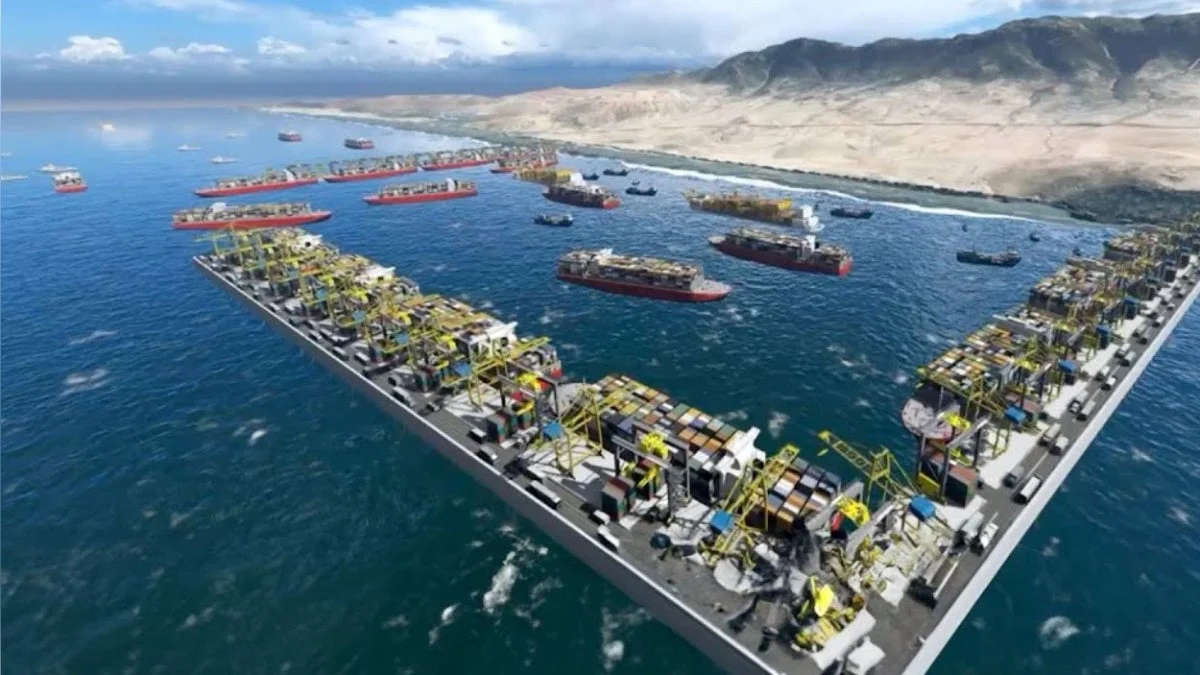
In a move set to reshape the economic geography of South America, the Arequipa Regional Government, led by Governor Rohel Sánchez, is preparing to unveil the preliminary master plan for the "Megapuerto de las Américas Corío." This ambitious project, designed to transform Peru into a premier logistics and maritime hub, represents a monumental leap forward in infrastructure development. With an estimated total investment of US$ 7 billion, the project aims to leverage the Pacific coast’s natural advantages to connect the continent’s production centers with the burgeoning markets of Asia and North America.
The Core Facts: A Vision of Massive Scale
The Megapuerto de Corío is not merely a terminal; it is a sprawling, multi-sector infrastructure endeavor. According to Governor Sánchez, the development will follow a phased approach, ensuring fiscal sustainability and operational efficiency.
The initial phase, estimated at approximately US$ 650 million, will focus on the construction of the port’s core nucleus. This foundational investment is designed to establish the critical operational capacity required to attract larger, long-term capital flows. Beyond the initial port construction, the broader vision encompasses a vast 34,000-hectare area, which has already been successfully reclaimed and formalized by the regional government. This land serves as the canvas for a comprehensive "smart city" model that integrates industrial, logistical, and technological zones.
Chronology and Strategic Roadmap
The project has entered a critical window of development. Following months of collaborative technical work between the Arequipa Regional Government, the National Port Authority (APN), and Proinversión—the state agency responsible for promoting private investment—a definitive milestone is approaching.
- May 15th: The official presentation of the preliminary master plan. This document is intended to serve as the blueprint for engaging international stakeholders and formalizing the investment roadmap.
- The Planning Phase: Over the past year, the focus has been on legal and technical sanitation. The securing of 34,000 hectares was a fundamental prerequisite, providing investors with the land security necessary for a project of this magnitude.
- Future Development: Following the May presentation, the focus will shift to competitive bidding processes. The government has already reported significant preliminary interest from global heavyweights, including consortiums from China, Germany, and the United States.
Technical Superiority and Competitive Advantages
What sets Corío apart from other regional ports is its unique natural geography. The site boasts a natural draft ranging from 20 to 29 meters. In the maritime industry, depth is the ultimate currency; such significant depth allows for the accommodation of the world’s largest vessels, including Post-Panamax and Ultra Large Container Vessels (ULCVs).
This depth provides an immediate operational edge. Because of these conditions, the port is estimated to require up to 90% less expenditure on dredging compared to other major South American terminals. Lower maintenance costs translate to higher competitiveness, positioning Corío as an attractive alternative to established ports in the region.
Furthermore, its location is strategically optimized to act as the principal maritime outlet for the Southern Cone. The port is envisioned as a primary export gateway for goods originating from Southern Brazil, Argentina, Paraguay, Uruguay, Bolivia, and Northern Chile. By providing a direct transit route to Asian markets, the port effectively shortens supply chains and reduces logistics costs for landlocked or southern-based regional economies.
A Multi-Dimensional Logistics Hub
The Corío project is designed to be more than a shipping lane; it is a four-pillar economic engine:
- The Port Nucleus: The primary maritime infrastructure handling cargo and shipping operations.
- The Logistics Platform: A specialized zone for warehousing, distribution, and multimodal transport connections, intended to streamline the flow of commodities.
- The Industrial and Technological Zone: A critical component of the government’s strategy is to foster domestic value-added processes. Governor Sánchez has emphasized that the region must move beyond raw material extraction. The industrial zone will focus on the processing of copper and other strategic minerals, powered by the region’s massive potential for green hydrogen and renewable energy.
- The City-Port: A "smart city" development that incorporates residential, commercial, and high-tech sectors, including a planned airport, to ensure the long-term viability and livability of the surrounding region.
Official Responses and Stakeholder Interest
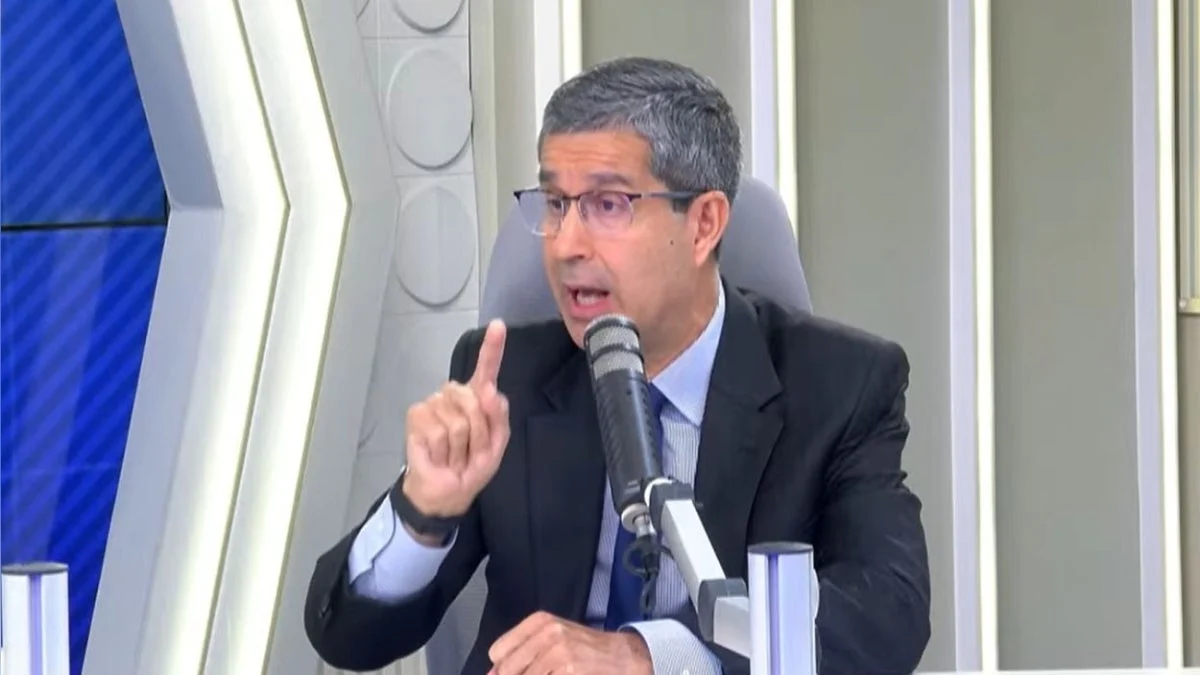
Governor Rohel Sánchez has been vocal about the global appetite for this project. During a recent interview with RPP, he noted that the regional government has already identified over 350 interested parties—ranging from infrastructure developers to logistics giants and sovereign investment funds.
"We have 350 interested parties looking to participate in the different processes and stages that this megaproject entails," Sánchez stated. The government’s strategy is to remain open to international partnerships, emphasizing that the project is being developed with transparency and regulatory rigor to ensure that it meets international standards.
Broader Economic Implications: The "Arequipa Growth Wave"
The Megapuerto de Corío does not exist in a vacuum; it is part of a broader, systemic effort to modernize Arequipa’s economy. The regional government is currently championing a diverse portfolio of investments that total over US$ 12 billion in addition to the port project.
Energy and Sustainability
Arequipa is positioning itself as a leader in the energy transition. The regional government is promoting initiatives in green hydrogen and green ammonia, with anticipated investments of US$ 5 billion. This renewable energy capacity is intended to power the industrial zones within the port complex, creating a self-sustaining ecosystem of clean production.
Mining and Industrial Integration
The mining sector remains a cornerstone of the regional economy. Major projects, including the expansion of the Cerro Verde mine, the development of Tía María, and projects like Safranal and Pampas de Pongo, represent an additional US$ 7 billion in planned capital expenditure. By linking these mining operations to the Corío port, the region aims to create a vertical value chain that maximizes economic returns for the country.
Agricultural Transformation
Parallel to industrial and maritime developments, the government has focused on the "destrabe" (unblocking) of the Majes Siguas project. This massive irrigation project is designed to catalyze the agro-industrial and agro-export sectors, ensuring that Arequipa’s agricultural output can also be easily exported through the new port facilities.
Challenges and Future Outlook
While the promise of the Megapuerto de Corío is immense, the road to completion involves navigating complex regulatory, environmental, and financial challenges. A project of this scale requires sustained political will and consistent policy support across national administrations. The reliance on international private investment means that the project must remain competitive in a crowded global market for infrastructure capital.
However, the logic behind the investment is compelling. South America’s trade dependence on Asia continues to grow, and the existing port infrastructure on the Pacific coast is nearing its capacity limits. By providing a modern, deep-water alternative with a surrounding industrial "smart" infrastructure, Arequipa is betting that it can become the indispensable link in the global supply chain for the 21st century.
As May 15th approaches, the global logistics community will be watching closely. If the master plan is received with the enthusiasm that the regional government anticipates, the Corío Megaport will shift from a visionary project to a tangible pillar of Peru’s future economic prosperity. For Arequipa, this is not just about building a port; it is about building a new future for the South Pacific.