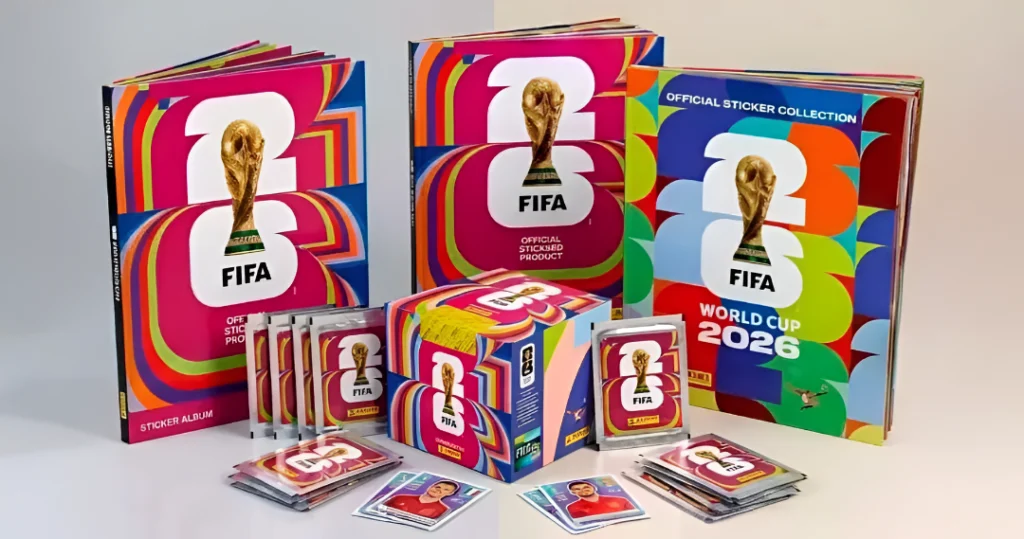
The landscape of global sports memorabilia is on the precipice of a seismic shift. After more than half a century of defining the childhood experience of football fans across the globe, the FIFA World Cup is parting ways with its iconic partner, Panini. Following the conclusion of the 2030 World Cup, the Italian publishing giant—synonymous with the "sticker album" tradition since 1970—will hand over the keys to the kingdom of football collectibles to the American titan, Fanatics Collectibles, and its subsidiary, Topps.
This transition, announced on May 7 in New York, marks the end of an era that spanned generations. For millions of fans, the ritual of buying, swapping, and pasting stickers into a Panini album is inextricably linked to the magic of the World Cup. As we look toward 2031, the industry is bracing for a total transformation that promises to integrate high-tech digital assets, physical card rarity, and a North American-style sports marketing model into the beautiful game.
The Chronology of an Iconic Partnership
To understand the weight of this decision, one must look at the historical trajectory of the relationship between FIFA and Panini.
- 1970: The partnership begins. With the Mexico World Cup, Panini introduces the first-ever licensed World Cup sticker album. It becomes an instant cultural phenomenon, establishing a hobby that would traverse borders and languages for over 60 years.
- 1970s–2000s: The "Panini Era" cements itself as a global institution. Throughout the rise of legends like Pelé, Maradona, and Zidane, the Panini album served as the primary visual database for football fans worldwide.
- 2023–2024: Negotiations for the post-2030 cycle intensify. With the rise of digital collecting and the "trading card" market explosion in the United States, FIFA begins evaluating its commercial future.
- May 2024: The formal announcement is made in New York. FIFA confirms that beginning in 2031, Fanatics Collectibles will hold the exclusive rights to produce trading cards, stickers, and digital collectibles for FIFA tournaments.
- 2031 and Beyond: The "Fanatics Era" officially commences, signaling a departure from traditional mass-market stickers toward a more premium, experience-driven model.
The Strategic Shift: Why Now?
The decision to move away from Panini is not merely a change in vendor; it is a change in philosophy. FIFA’s leadership, led by Gianni Infantino, has increasingly focused on maximizing commercial revenue to fund the expansion of global football initiatives.
Fanatics, led by CEO Michael Rubin, has built a retail and memorabilia empire by dominating the licensed merchandise space for the NBA, NFL, MLB, and Formula 1. Their approach is characterized by vertical integration: they don’t just sell the product; they control the manufacturing, the digital marketplace, and the retail experience. By bringing FIFA into this fold, the organization is betting that a modern, tech-forward approach will capture the attention of younger, digital-native fans who are less interested in traditional paper stickers and more interested in rare, high-value assets.
Redefining the Experience: The "Patch" Revolution
One of the most radical departures from the Panini model is the introduction of "game-worn" memorabilia. Topps, under the Fanatics umbrella, has built its reputation in the U.S. market by embedding authentic pieces of player jerseys—known as "patches"—into limited-edition trading cards.
Starting in 2031, this practice will arrive on the global football stage. The plan involves taking patches from the jerseys worn by debutants in FIFA tournaments and physically embedding them into high-value, serialized trading cards. This creates a "chase" element that has driven the sports card market into a multi-billion-dollar industry in the United States. For the collector, the value proposition shifts from completing a book to hunting for a "one-of-one" card containing a fragment of history from a World Cup debut.
Social Impact: A $150 Million Investment in the Future
While the shift toward premium, high-cost collectibles has drawn some criticism from traditionalists, Fanatics and FIFA have highlighted a significant social component to the deal. As part of the contract, Fanatics has committed to distributing $150 million worth of collectibles to youth around the world.
This initiative is designed to ensure that the sport remains accessible to those who might be priced out of the premium "investor-grade" card market. By fostering a love for the hobby among children, FIFA aims to cultivate the next generation of fans. This move also aligns with FIFA’s broader goal of using its massive revenue streams to reinvest in football development and grassroots programs in underserved regions.
Official Responses and the "Fanatics Fest" Vision
The scale of this partnership was on full display during the lead-up to the 2026 World Cup, where the groundwork for this transition was laid. During the "Fanatics Fest" in New York, the company demonstrated its ability to turn sports commerce into a lifestyle event.
"The FIFA World Cup is the greatest sporting event on the planet," said Michael Rubin, CEO of Fanatics. "No other sport offers the potential for international growth that football currently possesses. This is a historic day for the intersection of sports and entertainment."
FIFA President Gianni Infantino echoed these sentiments, emphasizing the economic necessity of the deal. "The FIFA brand reaches fans in every corner of the globe. This partnership represents a massive source of revenue that will be, as always, reinvested back into the game, helping us support football from the grassroots level to the professional stage," Infantino stated.
The decision to host major pre-final events, such as the public viewings at the Jacob K. Javits Convention Center in Manhattan, underscores the change in strategy. The future of FIFA’s consumer engagement is no longer just a physical product in a kiosk; it is a holistic, immersive experience involving physical gatherings, digital commerce, and high-value, verified physical assets.
Implications for the Industry
The departure of Panini and the arrival of Fanatics will have profound implications for the sports memorabilia ecosystem:
- The Death of the "Common" Hobby: The traditional Panini album was a democratic product—anyone with a few coins could start a collection. The Fanatics model, focused on rarity and "chase" cards, inherently creates a tiered hierarchy of collectors, which may alienate casual fans while exciting high-end investors.
- Digital Integration: We can expect a seamless bridge between physical cards and digital twins (NFTs or similar blockchain-based assets). This will allow collectors to display their collections in digital metaverses and verify the authenticity of their cards via secure, transparent databases.
- Market Consolidation: With Fanatics already managing stadium retail and the World Cup Fan Fests, they have achieved a level of control over the fan experience that is unprecedented in football history. This centralization allows for better data collection on fan preferences but raises questions about the health of a market where one player controls the entire supply chain.
- Cultural Nostalgia vs. Modern Utility: The "Panini generation" will likely mourn the loss of the sticker album, which functioned as a chronological map of a player’s career. Whether the new, high-tech offerings can capture the same emotional connection remains to be seen.
Conclusion: A Turning Point for Global Football
The end of the Panini-FIFA partnership is more than a footnote in corporate history; it is a reflection of how the world consumes sports. As football continues to evolve into a truly global, multi-platform entertainment product, the tools used to engage fans must evolve as well.
Whether this move leads to a vibrant new era of digital-physical hybrid collecting or results in the loss of the humble, accessible charm that made the World Cup stickers a global ritual, one thing is certain: the industry will never be the same. Starting in 2031, the world of football collectibles will move from the newsstand to the digital marketplace, forever changing how we hold, trade, and cherish our favorite moments from the pitch.