Executive Summary: A Tale of Two Realities
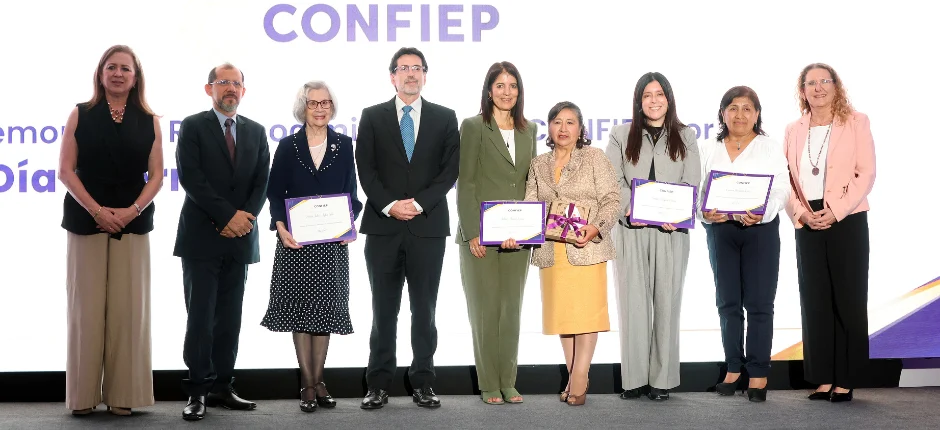
In the dynamic landscape of the Peruvian economy, women stand as both the backbone of small-scale entrepreneurship and the most underrepresented demographic in the corridors of corporate power. Recent data unveiled during the VIII edition of the "Recognition of Women Ceremony," hosted by the Confederation of Private Business Institutions (CONFIEP), paints a complex picture of a nation striving for parity while battling systemic inertia.
While more than one million formal enterprises are led by women—collectively generating over two million jobs within the micro and small enterprise (MYPE) sector—the upper echelons of the corporate world remain stubbornly male-dominated. Only 13% of executive positions and a meager 4% of presidential roles in large corporations are held by women. This disparity is not merely a matter of representation; it is a fundamental economic bottleneck that limits Peru’s broader potential for growth, competitiveness, and societal well-being.
The Landscape of Inequality: Key Data Points
The stark contrast between the informal and formal, and the small and large, reveals an urgent need for structural reform. The data presented at the CONFIEP summit highlights three critical areas of concern:
1. The Wage and Autonomy Gap
The economic autonomy of Peruvian women is severely compromised by a persistent wage gap. On average, women in the formal labor market earn 27% less than their male counterparts. This discrepancy is not just a statistical anomaly; it serves as a barrier that limits household welfare and restricts the financial independence of millions of women, creating a ripple effect of economic instability across families.
2. The Informal Trap
Perhaps the most alarming statistic shared during the event is that 72.7% of all employed women in Peru operate within the informal sector. These workers exist outside the protective umbrella of the state, lacking access to essential benefits such as health insurance, retirement pensions, and legal protections. This high rate of informality perpetuates a cycle of vulnerability, leaving women disproportionately exposed to economic shocks.
3. The "Glass Ceiling" in Corporate Leadership
While women excel in driving the engine of the MYPE sector, they encounter a rigid "glass ceiling" in the formal corporate sector. The revelation that only 4% of presidencies in large companies are held by women suggests that, despite the growing number of female graduates and professionals, corporate culture and recruitment processes remain exclusionary.
Chronology of the VIII Recognition of Women Ceremony
The 2026 edition of the CONFIEP recognition ceremony served as both a celebration of achievement and a platform for rigorous self-reflection.
- Opening Remarks (Morning Session): The event commenced with a keynote address from Jorge Zapata Ríos, president of CONFIEP, who set the tone by framing gender inequality as a "macroeconomic risk" rather than just a social issue.
- Expert Panel (Mid-day): Representatives from international organizations, including the International Labour Organization (ILO), engaged in a dialogue regarding the necessity of policy intervention. Italo Cardona, Director of the ILO for the Andean Countries, provided global context, emphasizing that inequality is not a localized phenomenon but a structural challenge requiring international standards.
- The Recognition Awards: The core of the event was dedicated to honoring women who have defied the status quo. Awards were categorized by impact: Society, Large Enterprise, PYME (Small and Medium Enterprises), and Entrepreneurship.
- Strategic Roundtable (Closing): The event concluded with a call to action for the private sector to commit to transparent reporting on gender diversity in leadership, moving beyond symbolic gestures toward tangible, measurable change.
Official Responses and Strategic Vision
The Perspective of the Private Sector
Jorge Zapata Ríos, the president of CONFIEP, delivered a sobering assessment of the status quo. "These gaps are not just social injustices; they are limitations on the country’s productive potential," he stated. According to Zapata, if Peru intends to compete on a global scale, it cannot afford to leave 50% of its talent pool underutilized. His vision involves a collaborative approach between the private sector and the government to incentivize formalization and foster inclusive leadership development programs.
The ILO’s Global Lens
Italo Cardona, representing the ILO, underscored that the promotion of equality is not merely a moral imperative but an economic necessity. He argued that firms with diverse leadership teams demonstrate higher levels of innovation and resilience. Cardona highlighted that the ILO is working closely with the Peruvian government to implement frameworks that protect workers in the informal sector, ensuring they have a pathway toward social security and formal employment.
Implications for the Future of Peru
The Multiplier Effect of Women’s Economic Empowerment
The economic impact of empowering women goes beyond the individual. Research suggests that when women earn more, they reinvest a higher proportion of their income into their families, specifically in nutrition, health, and education. By closing the 27% wage gap, Peru could see a significant increase in domestic consumption and long-term human capital development.
Formalization as a Path to Stability
The high rate of informality (72.7%) among women is a call to modernize the labor market. For many women, the informal sector is a necessity rather than a choice, driven by a lack of flexible, safe, and adequately compensated opportunities in the formal economy. Policymakers must focus on reducing the bureaucratic burden for micro-entrepreneurs, providing easier access to credit, and ensuring that child-care support is viewed as an essential economic infrastructure rather than a personal burden.
Cultural and Institutional Shifts
To increase the 4% female presidency rate in large companies, the private sector must look at the "pipeline." Leadership programs, mentorship, and gender-blind recruitment strategies are essential. Institutional culture must shift to prioritize performance over traditional, often gendered, notions of leadership.
Celebrating Change: Category Winners and Highlights
The 2026 ceremony recognized the pioneers who are already paving the way. Through their leadership, these women demonstrate that excellence knows no gender, even in sectors traditionally dominated by men.
- Society Category: Focused on women driving social impact and community development.
- Large Enterprise Category: Honoring women who have successfully broken the ceiling in major corporate environments.
- PYME Category: Celebrating the success of small and medium enterprises that provide essential employment in local communities.
- Entrepreneurship Category: Recognizing innovation and resilience in start-ups and new business ventures.
Conclusion: The Road Ahead
The VIII edition of the CONFIEP Recognition of Women Ceremony serves as a poignant reminder that while Peru has made strides, the journey toward equality is far from over. The path forward requires a unified effort to integrate the informal workforce, dismantle structural biases in corporate hiring, and enforce wage equity.
As Peru looks to 2026 and beyond, the focus must shift from merely acknowledging these disparities to actively dismantling them. The data is clear: when women lead, the entire nation benefits. By fostering an environment where talent, regardless of gender, can rise to the top, Peru will not only strengthen its economy but also secure a more prosperous and equitable future for all its citizens.
The commitment expressed by business leaders at this year’s summit is a promising start, but the true measure of success will be found in the statistics of the years to come. Will the 4% of female presidents grow? Will the 72.7% of informal workers gain access to the protection they deserve? These are the questions that will define the next chapter of the Peruvian economic story.