The celebration of Mother’s Day has long been a global cultural touchstone, serving as a moment for families to honor the pivotal role of maternal figures in their lives. In 2026, as digital transformation continues to reshape how we express affection and gratitude, Google has elevated its traditional tribute. By blending its iconic artistic heritage with cutting-edge generative artificial intelligence, the tech giant has transformed its homepage into a hub of creativity, moving beyond a simple visual nod to a deeply personalized, interactive experience.
The Evolution of the Google Doodle: An Artistic Tribute
For millions of users across Mexico, the United States, and Latin America, the first sign of Mother’s Day is the transformation of the Google logo. This year, the company opted for a departure from sleek, minimalist digital design, favoring a warm, tactile aesthetic that resonates with the history of handmade affection.
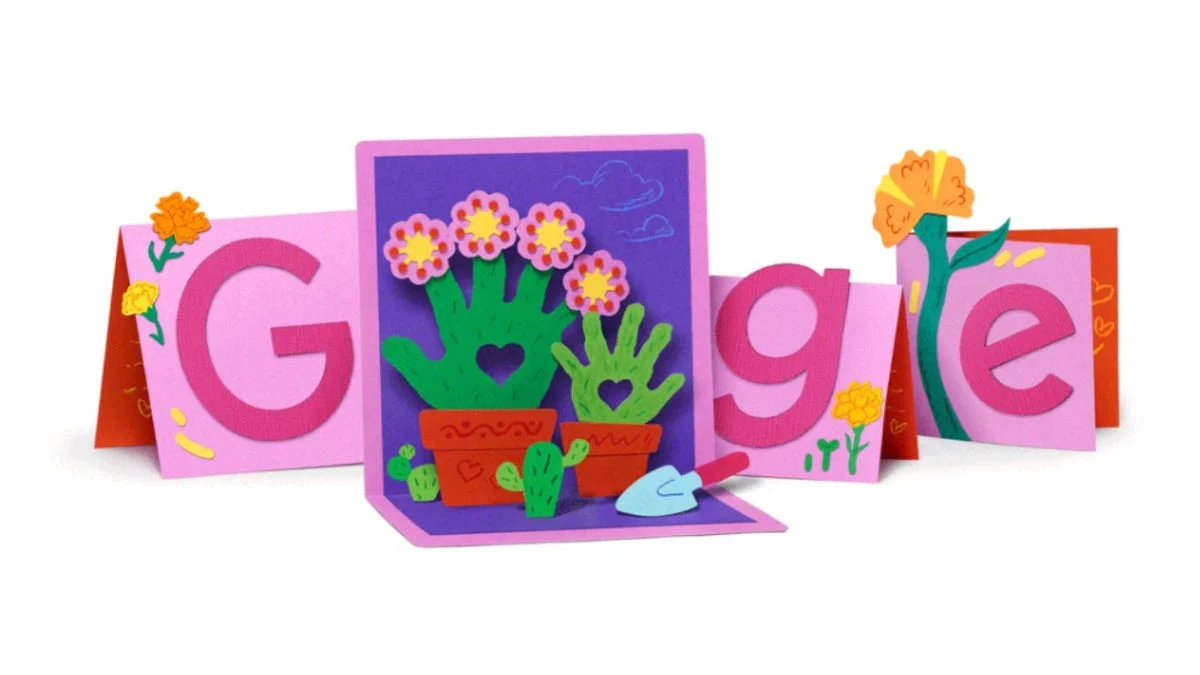
The 2026 Doodle is a masterclass in digital craftsmanship, designed to mimic the beloved tradition of children creating handmade cards for their mothers. The logo is reimagined as a series of three-dimensional pop-up cards. The visual narrative is rich with symbolism: vibrant paper-cut flowers, potted plants, and intricate, woven textures are set against a soft, pastel-toned background.
Central to the design is an interactive-style illustration where "green hands"—symbolizing nurturing and growth—emerge from a central card, cradling a heart-shaped cutout. This choice of imagery is deliberate; according to Google’s design team, the inclusion of specific botanical elements, such as carnations and resilient cacti, serves as a metaphor for the strength, protection, and unconditional love inherent in the maternal bond. By choosing a style that mimics "craft-room" aesthetics, Google effectively bridges the gap between digital coldness and the warmth of physical, personal mementos.
Chronology of the 2026 Celebration
The rollout of this year’s initiative was carefully orchestrated to maximize engagement throughout the celebratory weekend:
- Pre-Launch (May 8-9, 2026): Google’s design teams finalized the deployment of the Doodle assets, ensuring cross-regional consistency across different time zones in the Americas.
- The Launch (May 10, 2026): The Doodle went live at midnight, replacing the standard Google logo. Simultaneously, the AI-integrated "Gemini for Mom" prompt appeared directly beneath the search bar.
- Engagement Phase: Throughout the morning, users began discovering the AI song-creation tool, leading to a surge in social media sharing of AI-generated tracks.
- Post-Celebration Analysis: Google began tracking engagement metrics, noting a significant increase in user interaction compared to previous years where the Doodle was purely static or animated without utility.
AI at the Heart of Affection: The Gemini Integration
The most significant departure from tradition in 2026 is the integration of Gemini, Google’s advanced generative AI, into the Mother’s Day experience. Recognizing that many users struggle to find the right words to express their appreciation, Google provided a shortcut: "Be her #1 this Mother’s Day. Create a song for Mom with Gemini."
Upon clicking this prompt, the user is ushered into a specialized interface designed to elicit personal details. The AI acts as a creative partner, first querying the user about their mother’s "secret superpower." Whether it is her ability to solve any problem, her legendary cooking, or her unwavering patience, these inputs form the backbone of the song.
The tool then leverages Gemini’s music-generation capabilities to produce a synth-pop anthem reminiscent of the 1980s—a genre chosen for its nostalgic, upbeat, and universally energetic qualities. By combining the user’s specific, intimate inputs with the structured, polished delivery of AI, Google has democratized the act of songwriting, allowing anyone to offer a gift that is both unique and professional in quality.
Supporting Data and User Trends
The shift toward AI-assisted gift-giving is not merely a novelty; it reflects broader trends in consumer behavior. Data from recent years indicates that consumers are increasingly moving away from mass-produced gifts in favor of "personalized experiences."
- Personalization Metrics: Internal Google research suggests that engagement rates with interactive Doodles are approximately 40% higher than those of static designs.
- Search Intent: Leading up to Mother’s Day 2026, searches for "how to write a song for Mom" and "unique gift ideas" saw a 25% year-over-year increase, signaling a demand for more customized expressions of gratitude.
- The AI Factor: Initial reports from the launch day indicate that millions of users accessed the Gemini tool within the first six hours of availability, with the vast majority completing the song-generation process, suggesting high usability and clear value proposition.
Official Perspectives and Industry Implications
Google’s strategy for 2026 represents a broader shift in the tech industry. By positioning its AI tools not just as productivity boosters, but as facilitators of human connection, the company is attempting to soften the perceived "distance" of artificial intelligence.
In a statement provided on the official Google blog, representatives emphasized that the goal was to "enable users to move from passive observers of a Doodle to active participants in the celebration." This is a significant evolution for the company. Historically, the Google Doodle has been an exercise in brand expression; in 2026, it became a utility.
Industry analysts suggest this move is a strategic "soft-power" play. By associating Gemini with positive, emotional milestones like Mother’s Day, Google is successfully humanizing its AI brand. This helps to mitigate public anxiety surrounding AI and demonstrates its potential to enhance, rather than replace, human creativity.
Implications for Future Celebrations
The success of the 2026 Mother’s Day initiative sets a new precedent for how global platforms will handle seasonal events. We are likely to see:
- Increased Interactivity: Future Doodles will likely move away from static images toward full-scale, AI-driven interactive tools.
- Hyper-Personalization: The trend toward using personal data (like the "secret superpower" prompt) to drive AI generation will become the standard for consumer-facing tech.
- The "Human-in-the-Loop" Model: By requiring the user to input personal details before the AI creates the song, Google ensured that the final product remained rooted in the user’s authentic feelings, avoiding the "robotic" feel that sometimes plagues generated content.
Conclusion: A New Chapter in Digital Sentiment
As we move further into the decade, the line between technology and human tradition continues to blur. Google’s 2026 Mother’s Day celebration serves as a powerful case study in how to leverage high-end, complex technology to serve a simple, timeless human need: the desire to make our loved ones feel seen and appreciated.
By synthesizing the artistic charm of a paper-cut Doodle with the creative versatility of Gemini, Google has not only honored mothers across the globe but has also provided a glimpse into a future where technology is an invisible, yet essential, thread in the tapestry of our most cherished family memories. As users share their synth-pop tributes and enjoy the visual delight of the homepage, it is clear that in the digital age, the most effective tool for expression is one that feels both innovative and deeply, undeniably human.