Introduction: A Strategic Push for Order
In a decisive move aimed at reclaiming public space and asserting municipal authority, the Metropolitan Municipality of Lima (MML) launched a large-scale demolition operation along the bustling Nicolás Ayllón Avenue in the district of Ate. The project, which began in the early hours of Saturday, May 9, marks another milestone in the administration’s aggressive urban renewal agenda. While officials celebrate the recovery of significant metropolitan territory, the human cost of these operations has become a focal point of public debate, as affected residents find themselves displaced and awaiting debris removal to salvage what remains of their livelihoods.
The Scope of the Operation
The intervention on Nicolás Ayllón, located at the 10th kilometer of the Central Highway, is part of a broader, systemic effort by the current municipal leadership to dismantle illegal structures and informal occupations that have encroached upon public thoroughfares for decades.
According to Renzo Reggiardo, a high-ranking municipal official overseeing the operation, the demolition resulted in the recovery of approximately 2,347.40 square meters of public space. This translates to 280 linear meters of metropolitan roadway. The scale of the work reflects the deep-rooted nature of these occupations, many of which had been cemented in place for over 20 years, incorporating both high-quality "noble" construction materials and clandestine, precarious structures.
Chronology of Events: From Legal Preparation to Demolition
The timeline leading up to the events of May 9 was marked by legal groundwork and strategic planning. The municipality’s strategy has consistently focused on restoring the "principle of authority," a central pillar of the current administration’s platform.
- Pre-Operation Phase: Municipal planning teams conducted site assessments and issued notifications, identifying zones of encroachment that hindered traffic flow and compromised public safety along the busy artery.
- Execution (May 9): During a 24-hour window, heavy machinery and municipal crews descended upon the site. The operation was conducted under tight security to ensure the safety of workers and the public, successfully clearing the targeted segments of the avenue.
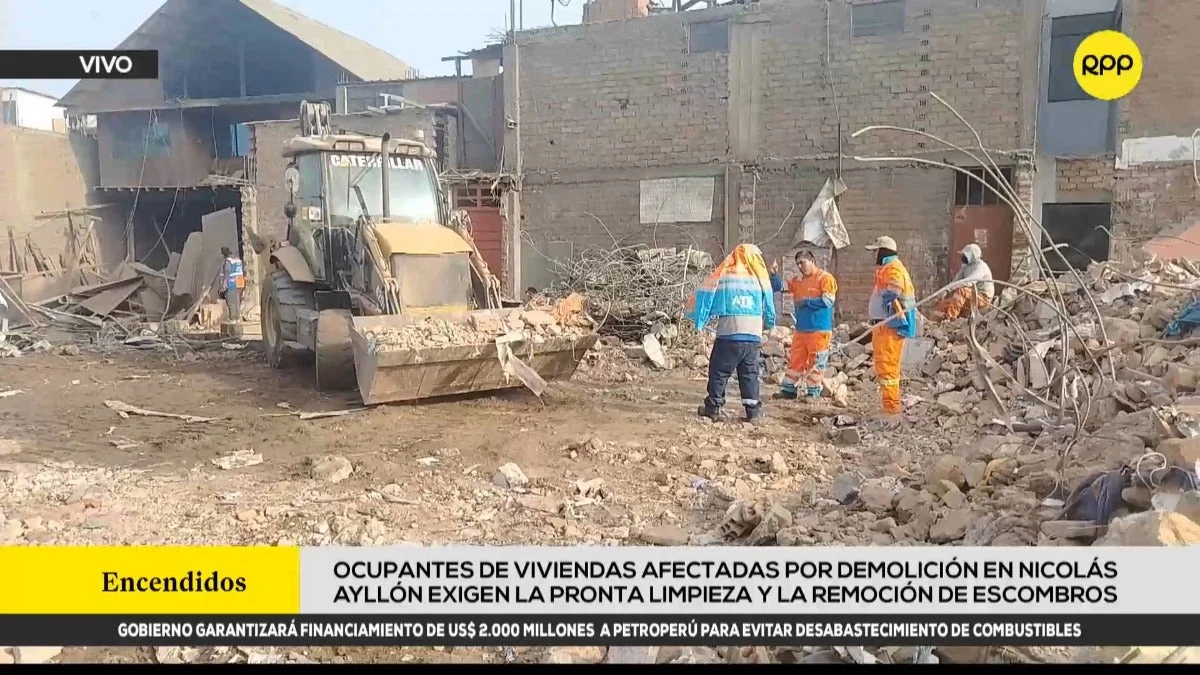
- The Aftermath (Current Phase): In the days following the demolition, the focus has shifted toward debris removal. This phase has become a point of contention, as the logistics of clearing thousands of tons of rubble have lagged behind the speed of the destruction, leaving affected residents in a state of limbo.
The Human Perspective: A Cry for Expediency
For the families and small business owners occupying the affected properties, the aftermath of the demolition has been characterized by profound uncertainty. Many residents, whose homes were only partially demolished, are currently forced to live in the street, unable to access the portions of their structures that remain standing due to the piles of rubble blocking their paths.
One affected citizen, speaking to the media, voiced the frustration shared by many in the community. "We have not hindered the work that was imposed upon us," she explained. "We simply want to return to what is left of our homes. We want to be able to access water, to have a place to sleep, even if it is a small room. All we are asking for is the cleanup. Please, take away the debris so we can move on."
The emotional toll on these residents is evident. Many fear that the prolonged presence of the demolition waste not only prevents them from reclaiming their living spaces but also poses health and safety risks, as the remnants of building materials—some dating back two decades—clutter the sidewalk and frontages of their properties.
Official Response: Balancing Logistics and Timeline
Renzo Reggiardo has acknowledged the difficulty the cleanup process poses for local residents but maintained that the timeline is dictated by the complexity of the debris. "The removal of rubble is expected to take approximately 15 days," Reggiardo stated.
The official justification for this duration lies in the nature of the materials. Because the structures were built over a twenty-year period, the debris is a mixture of solid "noble" material and more fragile, clandestine construction. Sorting and safely removing these materials requires a methodical approach that cannot be rushed without risking further damage to the remaining structures or the safety of the cleanup crews.
Reggiardo defended the necessity of the project, framing it as a vital step in correcting years of urban neglect. "This is not an isolated incident," he noted. "It is part of a wider, ongoing plan to restore order to Lima. We have successfully implemented similar measures at the Aviation Avenue, Las Malvinas, the Acho bus stop, the Grau triangle, and the Alfonso Ugarte bridge. Our line of action remains the same: the recovery of public space and the re-establishment of the principle of authority in Metropolitan Lima."
Supporting Data: A Track Record of Reclamation
The operation at Nicolás Ayllón is merely the latest in a series of interventions that define the current administration’s urban policy. The municipality has identified several high-traffic, high-density areas that were previously dominated by informal commerce and irregular land use.
The data provided by the MML highlights the efficiency of these operations in terms of square-meter recovery. By prioritizing key transit corridors, the city aims to reduce traffic congestion and improve the aesthetic and functional quality of the capital. However, critics argue that while the recovery of public land is a legal imperative, the lack of a robust resettlement or transition plan for long-term occupants creates a humanitarian crisis that the city is currently ill-equipped to handle.
Implications for Urban Governance
The standoff between the municipal government and the displaced residents of Ate raises critical questions about the future of urban governance in Lima.
1. The Principle of Authority vs. Social Responsibility
The administration’s "principle of authority" approach is popular among citizens tired of traffic congestion and urban chaos. Yet, the case of Nicolás Ayllón suggests that the application of this principle requires a more nuanced approach to social impacts. When demolition occurs, the displacement of residents—regardless of the legality of their occupation—triggers a ripple effect that the state must address to avoid social unrest.
2. Legal Challenges and Administrative Oversight
The mention of ongoing legal petitions, including requests to the Constitutional Tribunal (TC), underscores the complexity of the situation. As the municipality pushes forward, legal challenges from affected parties serve as a reminder that urban renewal must be balanced with the right to due process. The intersection of administrative power and constitutional rights will likely continue to be a battleground in Lima’s urban courts.
3. Long-Term Infrastructure Planning
The success of these interventions will ultimately be judged by what happens after the debris is cleared. If the recovered 2,347 square meters of space remain empty or are not promptly converted into useful infrastructure—such as wider sidewalks, improved transit lanes, or green spaces—the social cost of the demolition will be viewed by many as having been in vain. The city’s challenge now is to transition from the "demolition phase" to the "reconstruction phase" with as much efficiency as possible.
Conclusion: A City in Transition
Lima is currently navigating a period of significant urban transformation. The actions taken on Nicolás Ayllón in Ate are a microcosm of the broader struggle to modernize a city that has expanded rapidly and, in many areas, haphazardly. While the Metropolitan Municipality of Lima remains firm in its commitment to reclaiming public space, the voices of the residents affected by these operations serve as a poignant reminder that urban policy is not just about square meters and road lines—it is about the lives of the people who call those spaces home.
As the 15-day cleanup period progresses, the eyes of the public remain on the MML. Whether this operation is remembered as a successful restoration of order or a painful displacement depends largely on how quickly the municipality can clear the rubble and whether it provides the necessary support to those caught in the middle of this urban transition. The balance between maintaining order and protecting the dignity of the individual remains the most difficult challenge for any municipal administration in the heart of the Peruvian capital.