In a significant stride toward revitalizing Peru’s energy sector, state-run agency Perupetro has officially executed a long-term Licensing Contract for the exploration and production of hydrocarbons at Lote VI, located in the prolific Talara Basin. The agreement, signed with Latin America Energy and Technology Corporation—a subsidiary of the global service provider SPT Energy—marks a pivotal moment for the regional economy of Piura and the national energy landscape.
With an initial investment commitment of US$ 300 million over the first decade, the contract signals a robust vote of confidence in Peru’s geological potential. As the nation seeks to boost its energy security and reduce dependence on imports, this 30-year partnership aims to modernize operations, maximize resource recovery, and foster sustainable growth in one of the country’s most historic oil provinces.
The Foundation of the Agreement: Facts and Figures
The contractual framework governing Lote VI is designed to aggressively accelerate production while ensuring long-term exploration. The US$ 300 million commitment serves as the baseline for the first ten years of the contract; however, both parties acknowledge that this figure is likely to climb as the operator scales its activities and identifies further opportunities within the block.
The Operational Roadmap
The mandatory work program stipulated in the contract is ambitious, focusing on both the reactivation of dormant assets and the pursuit of new reserves. The plan for the first decade includes:
- 120 Well Workovers: Comprehensive maintenance and technological upgrades to existing wells to optimize flow rates and operational longevity.
- 323 Development Wells: A massive drilling campaign intended to tap into proven reserves and stabilize production output.
- 40 Exploratory Wells: High-risk, high-reward drilling designed to delineate new horizons and potentially expand the block’s proven reserves.
By implementing this comprehensive program, Perupetro and SPT Energy anticipate the extraction of approximately 22.8 million barrels of oil and 42.5 billion cubic feet (BCF) of natural gas over the life of the contract.
Chronology: From Legislative Greenlight to Formal Execution
The path to the signing of the Lote VI contract was characterized by a concerted effort by the Peruvian government to streamline bureaucratic processes and incentivize private sector involvement.
- April 28, 2026: The executive branch solidified its commitment to the project with the promulgation of Supreme Decree No. 004-2026-EM. This legal instrument served as the formal authorization for Perupetro to proceed with the contract, clearing the way for the negotiation and finalization of terms.
- Mid-May 2026: Preparatory meetings were held between Perupetro’s technical teams and representatives from Latin America Energy and Technology Corporation to ensure alignment on environmental compliance and operational safety standards.
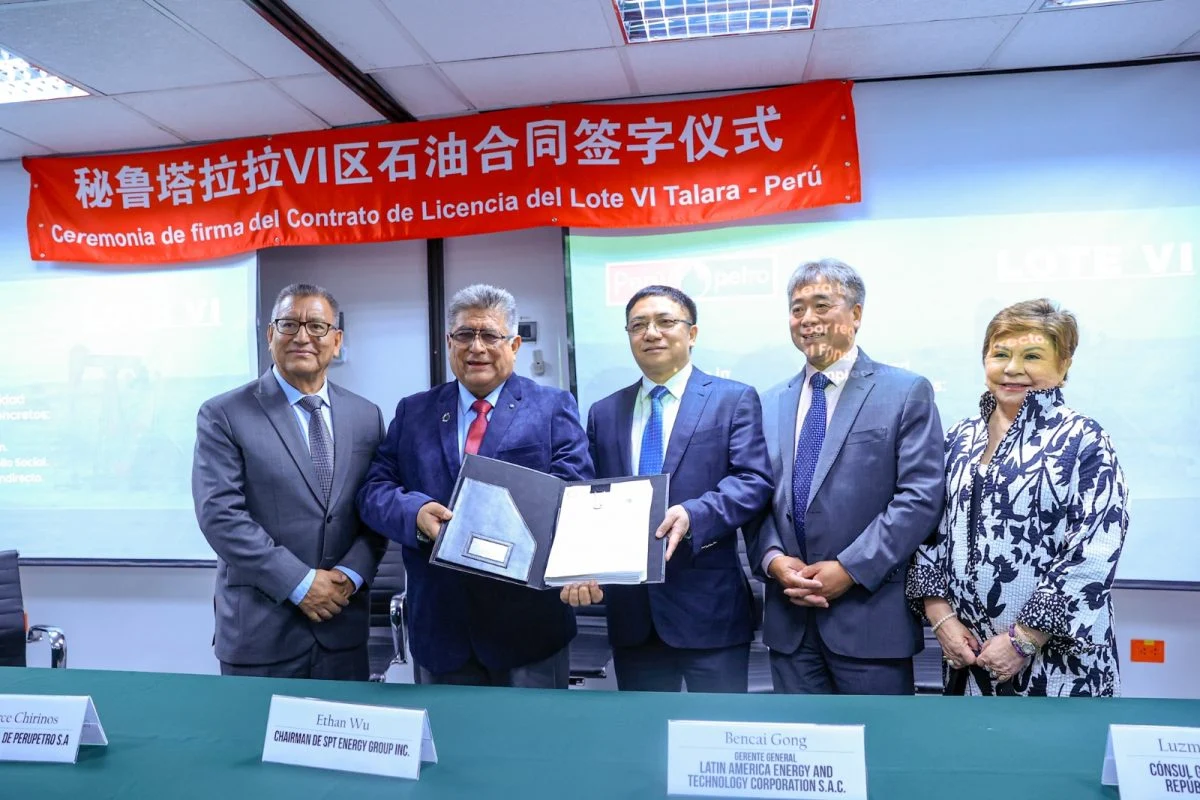
- Formal Signing Ceremony: The contract was officially signed at a high-profile event, attended by key stakeholders, including the Consul General Honorary of Singapore, Luzmila Zanabria, and top executives from the operating company, including Gong Bencai.
This sequence highlights a shift toward a more agile regulatory environment, where the government is actively seeking to shorten the lead time between project conceptualization and physical execution.
Official Perspectives: Aligning Vision and Strategy
The signing ceremony served as a platform for leadership from both the public and private sectors to articulate their expectations for the project.
Perupetro’s Strategic Outlook
Pedro Arce, General Manager of Perupetro, underscored the multifaceted impact of the Lote VI reactivation. "The success of Lote VI will be the success of the sector," Arce stated. He emphasized that the contract represents far more than a legal document; it is a promise to transform the potential of Talara’s subsurface into tangible wealth. "Each barrel produced under these standards of efficiency and social responsibility serves as a direct impulse to the economy of Talara and the entire nation."
The Ministry’s Stance on Investment
Viceminister of Hydrocarbons, Marco Agama Rodríguez, positioned the Lote VI deal as a blueprint for the future of the industry. Addressing the audience, he noted that the government’s target is to sustain this momentum by securing at least one major contract per year. "Our office is fully committed to driving the reactivation of exploration and production activities. We must ensure that we are not just signing contracts, but building a sustainable pipeline of investments that guarantees the energy security of our country," Agama Rodríguez remarked.
The Operator’s Commitment
Ethan Wu, representing SPT Energy, addressed concerns regarding operational standards and community engagement. He assured stakeholders that the company would prioritize the "highest standards of safety and efficiency." Furthermore, Wu explicitly recognized the importance of local integration, stating that the company intends to work closely with the Talara community to ensure the project becomes a "national benchmark for excellence in oil production."
Implications for the Peruvian Hydrocarbon Sector
The revitalization of Lote VI carries profound implications for the domestic market, touching upon macroeconomic stability, regional development, and technical capability.
Economic and Social Impact
Talara has historically been the heart of Peru’s oil industry. The influx of $300 million will likely trigger a multiplier effect in the local economy, creating thousands of direct and indirect jobs. From equipment suppliers and catering services to specialized engineering consultancies, the ripple effects of the drilling campaign are expected to revitalize the local service sector, which has faced significant headwinds in recent years.
Boosting National Energy Security
With global energy prices remaining volatile, the ability of Peru to produce its own hydrocarbons is vital for maintaining a favorable balance of trade. The projected 22.8 million barrels of oil and 42.5 BCF of gas contribute directly to domestic supply, reducing the country’s reliance on expensive fuel imports. This, in turn, provides the state with more flexibility to manage energy costs for consumers and industries alike.
Technical Upgrading and Innovation
SPT Energy brings a global perspective to the Lote VI project. By integrating advanced drilling technologies and modern reservoir management techniques, the company is expected to modernize the infrastructure of the block. This transfer of knowledge and technology is a key pillar of Perupetro’s strategy to upgrade the capabilities of the Peruvian workforce and modernize the national oil infrastructure.
Looking Ahead: Challenges and Opportunities
While the signing of the Lote VI contract is a cause for optimism, industry analysts point to the necessity of sustained execution. The success of the project will ultimately depend on the operator’s ability to navigate environmental regulations, maintain strong social licenses with local communities, and manage the technical complexities of drilling in mature basins.
The Peruvian government has set a clear tone: the era of stagnation in the hydrocarbon sector is over. By providing a stable legal framework and fostering an environment conducive to long-term investment, the state is betting that projects like Lote VI will serve as the catalysts for a new, more productive chapter in the country’s industrial history.
As the equipment begins to arrive in Talara and the first of the 323 development wells are spudded, all eyes will be on the execution of the work plan. For Perupetro, this is not merely a contract; it is a critical test case that will determine whether the nation can successfully leverage its natural resources to secure a prosperous and energy-independent future.