Executive Summary: A Community Left Behind
In the high-altitude district of Cañaris, located in the province of Ferreñafe, Lambayeque, a critical public health project has transformed into a symbol of bureaucratic negligence and alleged corruption. More than 1,100 residents of the Mamagpampa community are currently trapped in a state of medical limbo. Their hopes for a modern, functional healthcare facility have been shattered by the indefinite abandonment of a construction project that was ostensibly nearly completed—at least on paper.
The Comptroller General of the Republic (Contraloría General de la República) has issued a scathing report revealing that while 97.49% of the project’s budget has been disbursed, the physical progress of the work stands at a meager 47.29%. This massive discrepancy suggests a profound failure in oversight, potentially involving the misappropriation of millions of soles intended for the most vulnerable citizens.
Chronology of a Failed Project
To understand the gravity of the situation in Mamagpampa, one must examine the timeline of the project’s decay.
- Initial Conception: The project was designed as an integral improvement of the local health station, covering not just the physical structure, but also critical electrical and sanitary installations, medical equipment procurement, and furniture acquisition. The total budget was allocated at S/ 5.8 million, with an aggressive 150-day execution window.
- The 2023 Turning Point: Construction officially came to a halt in November 2023. At this point, the community expected a swift resolution. However, the silence from the contractors stretched through the remainder of the year.
- The Failed Restart: Despite the suspension being lifted in October 2024, the contractor failed to resume operations. The project remained frozen, leaving the site exposed to the elements.
- Contractual Collapse: By February 2025, the authorities were finally forced to acknowledge the project’s failure, resulting in the formal resolution of both the construction and supervision contracts.
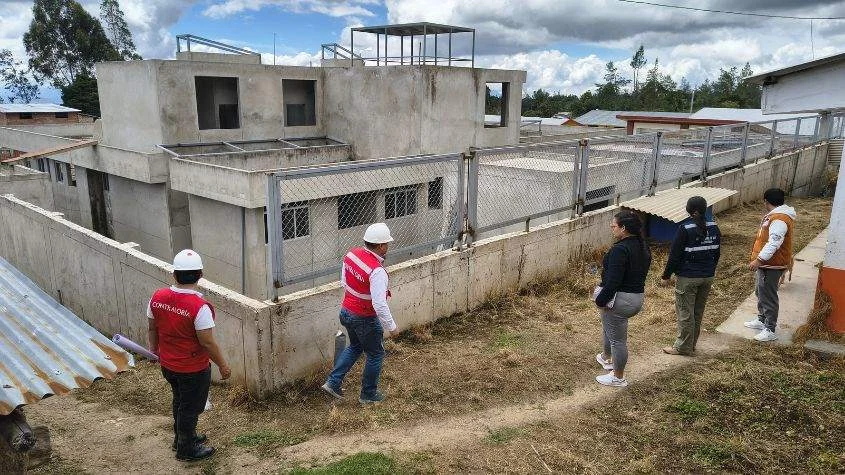
- Present Day: The facility remains a skeleton of unfinished concrete, with the community forced to rely on makeshift, unsafe structures while regional health officials struggle to chart a path forward.
Supporting Data: The Arithmetic of Negligence
The figures provided by the Comptroller’s office paint a damning picture of financial mismanagement. The project, which was supposed to be a cornerstone of regional health infrastructure, has become a financial black hole.
The Budget Discrepancy
The most alarming metric is the gap between financial outflow and physical progress. With over 97% of the S/ 5.8 million budget paid out, one would expect a fully functional facility. Instead, auditors found a building that is less than halfway complete. This indicates that payments were made for milestones that were never reached or for materials that were never installed.

Missing Assets
Perhaps the most egregious finding is the disappearance of medical equipment. Auditors identified a payment of approximately S/ 1 million for medical gear that has neither been delivered to the site nor held in a government-controlled warehouse. This raises immediate questions regarding the integrity of the supply chain and the validity of the invoices processed during the 2023 payment cycles, where nine distinct valorizations—including two "additions"—were approved.
Structural Integrity
Beyond the financial loss, there is the physical reality of the site. The unfinished structure is currently suffering from structural degradation. The Comptroller’s report highlights visible fissures, significant moisture damage, and the deterioration of materials that were left exposed to the harsh Andean climate. This means that even if a new contractor were hired today, the cost to complete the project will inevitably be higher than the original estimates, as the site will require remediation of the existing damage.
The Human Cost: Healthcare in Precarious Conditions
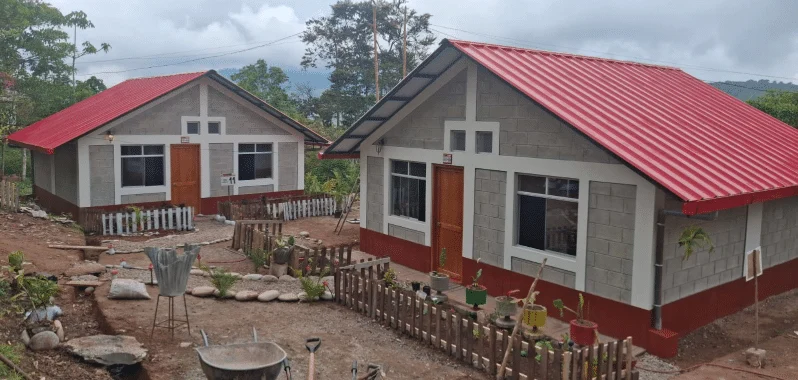
While officials debate budgets and legal liability, the 1,100 inhabitants of Mamagpampa face a daily health crisis. The current "health station" is little more than a collection of adobe and pre-fabricated structures. These facilities were never meant for long-term clinical use; they lack the sterile environments, specialized rooms, and basic sanitary infrastructure required to treat common illnesses or emergencies.
The situation has been exacerbated by recent seasonal rains. The torrential downpours typical of the region have accelerated the collapse of these temporary structures, turning the community’s only source of medical aid into a hazardous environment. For the people of Cañaris, the absence of the new health center is not just an inconvenience—it is a direct threat to their right to life and health.
Official Responses and Administrative Hurdles
In response to the scandal, representatives from the Regional Health Management of Lambayeque have stated their intention to draft a new technical dossier for the "remaining work." They aim to initiate a new procurement process to complete the building.

However, the path to recovery is obstructed by legal red tape. The Comptroller’s office, via Report No. 046-2025-OCI/0633-SVC, has issued a stark warning: the improper payment of non-executed or partially executed items will severely complicate the liquidation of the previous contract. Because the money was paid out prematurely, separating what was actually done from what was "falsely" billed will require a forensic audit of the highest order.
The Regional Health authorities are now in the unenviable position of having to untangle a web of previous contractual obligations before they can legally commit new public funds to the same site.
Implications: The Path Forward and Accountability
The Mamagpampa case is a microcosm of a larger issue in regional public works across Peru. The systemic failure to supervise contractors, combined with the premature disbursement of funds, creates an environment where corruption thrives.
The Need for Forensic Accountability
The Comptroller’s office has announced it is currently compiling data to assess a "post-control" intervention. This will likely focus on:
- Determining Economic Damage: Quantifying exactly how many millions were lost to the state due to fraudulent payments.
- Establishing Responsibilities: Identifying the specific public servants and contractors who authorized the payments for the missing equipment and the incomplete construction milestones.
- Corrective Measures: Implementing stricter milestone-based payment systems to ensure that future infrastructure projects in Lambayeque do not suffer the same fate.
The Future of Mamagpampa
For the people of Cañaris, the future remains uncertain. The government’s promise to "reactivate" the project is a standard bureaucratic response, but without a fundamental overhaul of how these projects are managed, there is a significant risk that the new technical dossier will face similar delays.

The primary implication of this scandal is the erosion of public trust. When a community watches a project languish for years while officials continue to collect paychecks and approve payments, the social contract is severely damaged. To restore this trust, the government must go beyond mere promises. It must deliver a completed, functional health center and ensure that those responsible for the abandonment of the Mamagpampa facility face the full weight of the law.
As the legal proceedings continue, the citizens of this high-Andean town remain the most prominent victims, waiting in crumbling huts for a hospital that was paid for, but never built. The case of Mamagpampa will serve as a critical benchmark for the Regional Government of Lambayeque—an opportunity to demonstrate whether it can prioritize the health of its citizens over the interests of failed contractors.