Main Facts: A Landmark Quarter for Peruvian Trade
The Peruvian economy has signaled a robust start to 2026, with the Ministry of Foreign Trade and Tourism (Mincetur) reporting an extraordinary 33.5% surge in total exports during the first quarter. This unprecedented expansion brought the country’s total export value to US$ 27.217 billion, a figure that underscores the resilience and diversification of Peru’s production capacity.
The growth was not concentrated in a single niche but was instead buoyed by a broad-based recovery and acceleration across several core pillars: mineral extraction, fisheries, agriculture, and forestry. By capitalizing on favorable international commodity prices and expanding market access, Peru has solidified its position as a critical node in global supply chains.
Chronology and Context: The Path to Q1 Success
The trajectory leading to this record-breaking quarter began in the latter half of 2025, where global demand for industrial metals and food security products began to stabilize and eventually climb.
- Early January 2026: Initial data indicated a strong recovery in port logistics and agricultural harvesting cycles, setting the stage for increased throughput.
- February 2026: International market prices for gold and copper experienced a significant uptick, providing a "price effect" boost to the valuation of Peruvian mineral exports.
- March 2026: The conclusion of the quarter solidified the momentum, as the influx of seasonal agricultural produce and increased fishing quotas culminated in the double-digit growth figures reported by Mincetur.
This period represents a departure from the volatility seen in previous years, marking a more sustained period of growth that has seen the number of active export enterprises rise to 6,052—a 3.9% increase over the previous year. Notably, the democratization of this growth is evident, with micro, small, and medium-sized enterprises (MSMEs) accounting for 62% of the total exporter base.
Supporting Data: Sectoral Breakdown and Regional Performance
The strength of Peru’s export engine lies in its sectoral diversity. While minerals remain the primary driver, the ancillary sectors have shown remarkable vigor.
Sectoral Highlights
- Mining: The sector recorded a 49% increase, totaling US$ 19.897 billion. This was driven primarily by the sustained demand for copper and gold, which continue to benefit from high global prices and steady demand from emerging industrial economies.
- Fisheries: Demonstrating a 21.5% growth, the fishing sector generated US$ 1.476 billion. Improved marine conditions and efficient management of quotas have allowed the industry to capitalize on high-value fish products.
- Agriculture: Expanding by 7.2%, the agro-export sector reached US$ 3.067 billion. This reflects the continued success of Peru’s high-value produce—such as blueberries, avocados, and grapes—in the North American and European markets.
- Forestry: Although smaller in volume, the forestry sector showed significant promise with a 22.3% growth, reporting US$ 17 million in sales, indicating a shift toward higher-value wood products.
Regional Dominance
The growth was not limited to the industrial hubs of Lima and Callao; rather, it was a national phenomenon. Regions across the interior of the country reported a collective export increase of 36.4%.
The standout performer was Huánuco, which posted a staggering 677.4% growth. This is followed by significant gains in Madre de Dios (81%), Arequipa (73.2%), and Áncash (62.4%). Other regions, including Cajamarca, Puno, Junín, and La Libertad, all maintained growth rates near or above 50%, illustrating a geographically balanced economic expansion that provides a buffer against localized disruptions.
Official Responses and Strategic Vision
In an official communiqué, Mincetur emphasized that these figures are not merely a result of market fluctuations but the outcome of a deliberate strategy to integrate Peruvian firms into the global market.
"The fact that 62% of our exporters are MSMEs is the most encouraging indicator," a ministry spokesperson stated. "It proves that our trade policies—which focus on technical assistance, export credit support, and the simplification of bureaucratic procedures—are reaching the grassroots level of the Peruvian economy."
The ministry’s current strategic roadmap focuses on "Export Diversification 2026," a policy framework aimed at reducing dependence on raw material price cycles by incentivizing the value-added processing of goods within Peru. The government believes that by providing SMEs with better access to digital infrastructure and international trade fairs, the country can maintain this momentum throughout the remainder of the year.
Global Market Dynamics: The Big Three
The export destination data reveals shifting geopolitical priorities and deep-rooted trade partnerships:
- China: Retaining its title as the top destination, China imported US$ 10.748 billion worth of Peruvian goods, marking a 43% increase. This relationship remains anchored in the massive demand for base metals required for China’s green energy transition.
- United States: The U.S. remains a crucial partner, receiving US$ 2.878 billion in exports (a 24% increase). The U.S. market continues to be the primary destination for Peru’s high-value agro-industrial exports.
- European Union: With US$ 2.238 billion in trade (a 9.8% increase), the EU remains a vital destination for both minerals and specialty agricultural items, despite a more cautious economic environment in some member states.
Implications: What This Means for the Peruvian Economy
The Q1 performance carries profound implications for the national outlook for the remainder of 2026.
1. Macroeconomic Stability
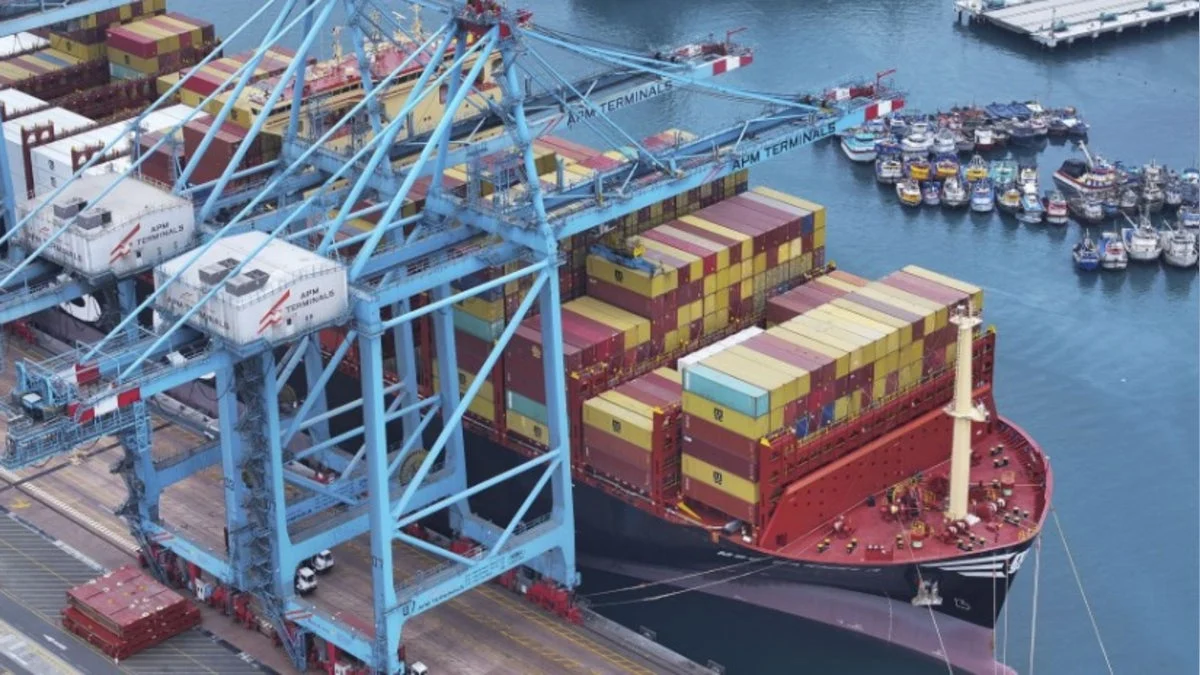
The massive trade surplus generated in Q1 strengthens the Peruvian Sol and increases the Central Bank’s foreign exchange reserves. This provides the government with greater fiscal space to manage inflation and invest in public infrastructure projects that can further facilitate trade, such as the modernization of ports and the expansion of the highway network.
2. Employment and Poverty Reduction
Export-led growth is historically the fastest route to poverty reduction in developing nations. By expanding the reach of MSMEs, the current export boom is likely creating thousands of jobs in rural and provincial areas—the regions where poverty reduction is most needed. The 36.4% growth in provincial exports suggests that the wealth generated is being distributed beyond the capital.
3. Challenges Ahead
Despite the optimism, economists warn of potential headwinds. The reliance on China’s industrial demand means that any cooling of the Chinese manufacturing sector could disproportionately affect Peru. Furthermore, the volatility of global logistics—including shipping costs and container availability—remains a persistent concern.
To sustain this growth, the Peruvian government must continue to invest in "soft infrastructure," such as digitized customs processes and trade-related education. Additionally, the focus must shift toward sustainable mining and agricultural practices, as international buyers—particularly in the EU—are increasingly demanding rigorous environmental, social, and governance (ESG) standards for imported goods.
Conclusion: A New Benchmark
The first quarter of 2026 has set a high bar for the Peruvian economy. With a 33.5% growth rate, Peru has demonstrated that it is not merely a passive supplier of raw materials, but a dynamic participant in the global trade arena. As the country looks toward the second half of the year, the challenge will be to translate this export revenue into long-term domestic investments that improve the standard of living for all citizens, ensuring that the current economic "boom" evolves into a permanent, sustainable improvement in the quality of life across the Andean nation.