The Peruvian sugar industry, a cornerstone of the nation’s agricultural sector, is currently navigating a period of profound uncertainty. According to a recent sectoral report by Moody’s Local Peru, the industry is grappling with a "negative" outlook, driven by the looming threat of the El Niño phenomenon and a cooling trend in international commodity prices. As these twin pressures converge, the sector faces a delicate balancing act to maintain profitability, operational stability, and market relevance in an increasingly volatile global landscape.
Main Facts: A Sector Under Pressure
At the heart of the current concern is the geographic concentration of Peru’s sugar production. The majority of the country’s sugarcane plantations are located in the northern regions, which are historically the most vulnerable to climate-induced anomalies. Moody’s Local Peru, in its October 14 report, emphasized that an El Niño event of moderate or strong intensity—particularly if it brings prolonged periods of heavy rainfall and flooding—could severely disrupt the agricultural cycle.
While the current production volume remains relatively stable, the systemic risks are high. The industry is facing a two-pronged squeeze: on the production side, potential crop damage and logistics failures threaten to inflate costs, while on the revenue side, the normalization of international sugar prices threatens to compress the profit margins that companies enjoyed during the recent period of record highs.
Chronology of Market Dynamics
To understand the current predicament, one must look at the recent trajectory of the global sugar market:
- 2022-2023 (The Deficit Phase): Global sugar prices spiked due to a confluence of factors, including adverse weather patterns in major producing nations (such as India and Thailand) and a strategic shift by sugar mills to divert sugarcane toward ethanol production in response to rising global energy costs.
- 2024 (The Plateau): Production figures in Peru showed resilience, with the industry producing 10.154 million tons of cane. Despite the cooling of international prices, the local market remained strong, showing signs of decoupling from global trends.
- 2025 (The Growth Surge): Output reached 10.453 million tons, suggesting that the sector was operating at high capacity despite the brewing risks.
- First Half of 2026 (The Current Context): The sugar sector accounted for 16.12% of the country’s total major agricultural production. However, it is during this period that Moody’s solidified its "negative" outlook, citing the growing probability of severe weather events and the ongoing correction of international price benchmarks.
Supporting Data and Production Trends
The resilience of the Peruvian sugar industry is evident in its production statistics, yet these numbers mask the underlying fragility of the supply chain.
According to data compiled by Moody’s, the steady increase in tonnage from 2024 to 2025 demonstrates a strong effort by domestic players to maximize yield. However, the technical quality of the harvest is at stake. The sucrose content of the cane is highly sensitive to excessive moisture; heavy flooding can lead to soil erosion and a reduction in the purity of the juice extracted, directly lowering the efficiency of sugar recovery during the milling process.
Furthermore, the logistical infrastructure in northern Peru remains a point of contention. Much of the transportation network relies on roads that are prone to destruction during El Niño-driven floods. Any disruption in this chain creates a "double-hit" scenario: the mills cannot receive enough raw material to maintain steady production, and they cannot ship the finished product to domestic distribution hubs or export terminals, leading to an accumulation of overhead costs and potential inventory spoilage.
Official Perspectives and Analytical Warnings
The Moody’s Local Peru report serves as a diagnostic tool for stakeholders, highlighting the danger of the "normalization" of prices. While consumers might view the correction of international sugar prices as a positive development, for the industry, it represents the loss of the "cushion" that allowed companies to absorb rising operational costs over the past two years.
The Decoupling of Local and Global Prices
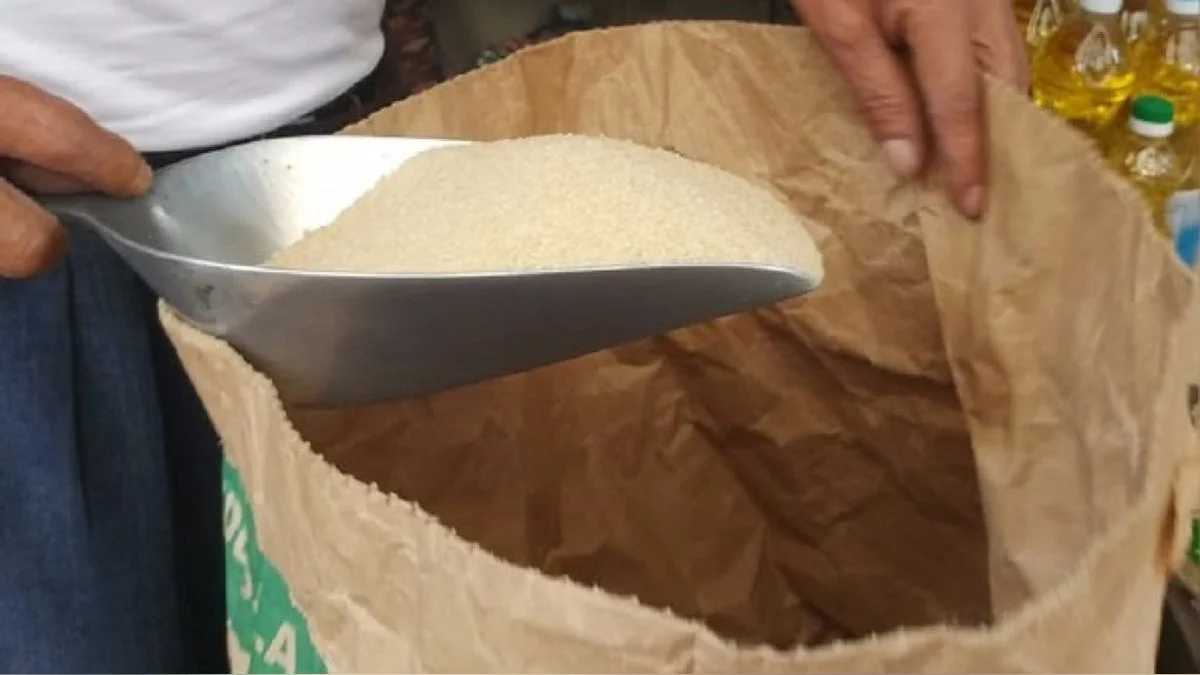
A striking paradox noted by analysts is the divergence between local and international prices. While global benchmarks have been trending downward due to improved supply prospects elsewhere, Peru’s domestic market has experienced sharp price hikes—in some cases, as high as 60% for brown sugar in recent weeks.
This domestic inflation is often driven by internal logistical bottlenecks, localized supply shortages, and market speculation rather than global trends. Moody’s warns that this creates a false sense of security for producers. Relying on inflated domestic prices to offset production risks is a strategy that could fail if weather-related disruptions force a significant drop in volume or if the local market eventually corrects itself in alignment with international trends.
The Margin Squeeze
The primary concern for the rating agency is the erosion of operating margins. If a major weather event strikes, production costs per unit will rise due to lower yields and higher logistical expenditures. If, at the same time, global prices continue to soften, the ability of companies to pass these costs onto the consumer will be severely limited. This "margin squeeze" is the primary driver behind the negative outlook assigned to the sector.
Implications for the Future: Strategy and Adaptation
The outlook for the Peruvian sugar industry is not necessarily one of decline, but rather one of necessary transition. Moody’s identifies several pathways for companies to mitigate these risks and stabilize their financial standing.
1. Diversification of the Product Portfolio
The traditional model of focusing almost exclusively on sugar for direct consumption is becoming increasingly untenable. Companies that have successfully diversified into the production of bagasse (biomass fuel), molasses, and ethanol are showing greater resilience. Ethanol, in particular, acts as a natural hedge; when sugar prices drop, ethanol demand—often tied to energy and fuel prices—can provide a more stable revenue stream.
2. Operational Efficiency and Financial Discipline
In a low-margin environment, operational excellence is the only path to survival. This involves upgrading milling technology to extract more sucrose from lower-quality cane, implementing water management systems to mitigate the impact of floods, and adopting rigorous financial hedging strategies to manage the volatility of commodity prices.
3. Integrated Operations
The integration of the value chain—from field management to final distribution—allows for tighter control over quality and logistics. Companies that own their transport and storage facilities are better positioned to navigate the supply chain interruptions that inevitably accompany El Niño events.
Conclusion: The Road Ahead
The "negative" outlook from Moody’s is a call to action for the Peruvian agro-industrial sector. It is not an indictment of the industry’s capability, but an assessment of its exposure to factors beyond its control. The combination of environmental risk in the north and the cooling of global price cycles suggests that the era of "easy" profits is over.
For the remainder of the year and into 2027, the success of these companies will depend on their ability to manage climate risk through better infrastructure and to manage market risk through product diversification. The industry remains a vital part of the Peruvian economy, contributing significantly to agricultural output and employment. However, as the climate becomes more unpredictable and global markets remain volatile, the sector must embrace a more flexible and robust business model to ensure its long-term viability in an increasingly challenging global landscape.
The materialization of the risks outlined by Moody’s will depend on the intensity of the upcoming climate cycles and the speed at which producers can pivot toward more efficient, diversified operations. For now, caution remains the watchword for investors and operators alike.