Introduction: The Market Snapshot
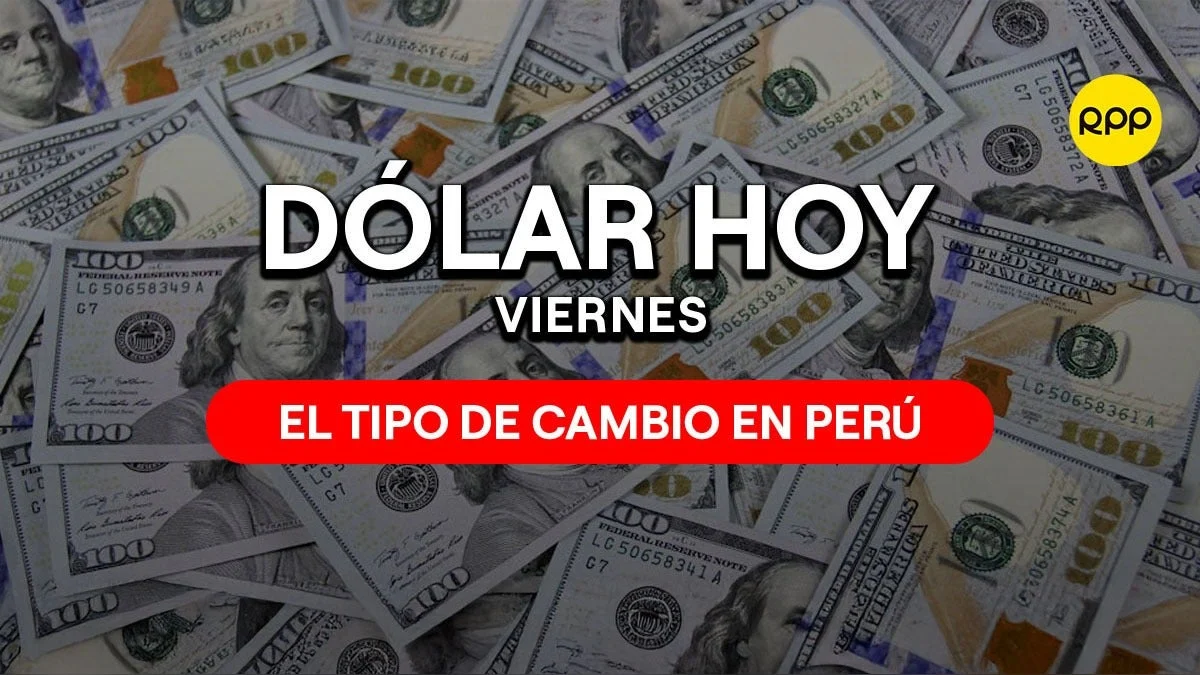
On Friday, October 16, the foreign exchange market in Peru experienced a notable shift as the United States dollar closed at S/3.44, according to the official figures provided by the Central Reserve Bank of Peru (BCRP). This closing rate represents a daily appreciation of 0.47% against the sol, signaling a robust movement in the financial landscape. For businesses, households, and policymakers alike, this fluctuation is more than just a numerical adjustment; it serves as a barometer for the current health of the Peruvian economy amidst a volatile global financial climate.
As the dollar gains strength, the ripple effects are felt across various sectors, from the price of imported technology to the cost of staple food items. Understanding the mechanics behind this exchange rate movement is essential for navigating the complexities of the modern Peruvian market.
The Chronology of Currency Fluctuations
To understand the current standing of the sol, one must view it through the lens of recent economic history. In the lead-up to this mid-October session, the Peruvian currency had been navigating a period of moderate pressure.
- Early October: The market began the month with a sense of cautious optimism, as the BCRP maintained a steady hand on liquidity, attempting to anchor market expectations.
- Mid-Week Volatility: By Wednesday and Thursday of the second week of October, signs of downward pressure on the sol began to emerge. Investors, reacting to shifting global risk appetites, began reallocating capital toward safer-haven assets, with the dollar being the primary beneficiary.
- The Friday Closing: By the close of business on October 16, the S/3.44 mark was established, confirming a distinct upward trend. This 0.47% jump was among the most significant daily movements of the week, catching the attention of market analysts who monitor the BCRP’s intervention thresholds.
Supporting Data: The Mechanics of the Exchange Rate
The exchange rate in Peru is determined primarily by the forces of supply and demand within the interbank market. However, the BCRP plays a pivotal role in preventing excessive volatility.
Why the Dollar Matters
The dollar is the currency of international trade. When the sol depreciates—meaning it takes more soles to purchase one dollar—the immediate consequence is an increase in the cost of imports. Data suggests that approximately 40% of the goods consumed by the average Peruvian household contain imported components or are finished products brought from abroad.
Inflationary Pressures
When the dollar climbs to S/3.44, the "pass-through" effect to domestic inflation becomes a point of concern. For instance, the price of fuel, which is priced globally in dollars, is often the first to adjust upward. This subsequently impacts transportation costs, leading to a cascading increase in the prices of food and consumer goods. While the BCRP targets a specific inflation range, significant spikes in the exchange rate can complicate their mandate to keep the cost of living stable for the citizenry.
Official Responses and Monetary Policy
The Central Reserve Bank of Peru (BCRP) operates under a framework of "managed floating." This means that while the market dictates the value of the sol, the BCRP intervenes when it deems the volatility excessive or when it threatens the stability of the financial system.
The Role of the BCRP
The BCRP’s mission is twofold: controlling inflation and ensuring macroeconomic stability. They achieve this through several levers:
- Reference Interest Rates: By adjusting the cost of borrowing, the BCRP can influence the attractiveness of holding the sol.
- Direct Market Intervention: The bank buys or sells dollars in the open market to dampen extreme fluctuations.
- Communication Strategy: Through regular reports and public statements, the bank manages the expectations of institutional investors, which is crucial for preventing speculative attacks on the currency.
Ensuring Sustainable Growth
During periods of global economic turbulence, the BCRP’s role becomes even more critical. By maintaining high levels of international reserves, the Bank acts as a shock absorber. These reserves provide the necessary firepower to defend the sol if international markets panic, ensuring that Peru’s external debt obligations can be met without triggering a domestic financial crisis.
Implications for the Peruvian Economy
The rise of the dollar to S/3.44 has tangible consequences that vary depending on one’s economic position.
For the Average Consumer
For the typical Peruvian family, a weaker sol translates to a reduced purchasing power. When imported electronics, automobiles, or even essential food items become more expensive, the household budget is squeezed. If the trend persists, consumers are forced to substitute imported goods for local alternatives, which can change consumption patterns and impact the retail sector.
For Businesses and Importers
Small and medium-sized enterprises (SMEs) that rely on imported raw materials face a direct hit to their profit margins. If a business cannot pass these increased costs onto the end consumer, they face the risk of reduced operational capacity. Conversely, exporters who earn in dollars find themselves in a more favorable position, as their revenues translate into a higher amount of local currency, potentially boosting their competitiveness abroad.
For Investors and the Financial System
For investors, the currency movement highlights the importance of diversification. Those holding assets in soles may see their real returns diminish if the currency continues to lose value against the dollar. Consequently, many investors turn to dollar-denominated financial instruments, which can create a self-reinforcing cycle of demand for the dollar.
Structural Resilience: Why Peru Remains Stable
Despite the 0.47% rise in the dollar, it is important to contextualize this movement within the broader strength of the Peruvian economy. Peru has consistently maintained one of the most stable macroeconomic environments in Latin America over the past two decades.
A Culture of Responsibility
The BCRP is widely regarded as one of the most independent and professional central banks in the region. Their commitment to technical, rather than political, decision-making has earned the trust of international credit rating agencies and investors. This institutional credibility is the primary reason why short-term fluctuations, like the jump to S/3.44, do not typically escalate into full-blown currency crises.
Managing External Shocks
The global economy is currently facing a myriad of challenges, including supply chain disruptions and fluctuations in commodity prices. Because Peru is a significant exporter of copper and other minerals, its currency is inherently linked to global metal prices. When commodity prices are high, the sol tends to strengthen; when they dip, the sol often faces pressure. The BCRP’s ability to navigate these cycles is what separates Peru from its neighbors who have struggled with hyperinflation or severe currency devaluation.
Strategic Recommendations for Stakeholders
Given the current volatility, it is prudent for individuals and firms to adopt a proactive approach to financial management.
- For Individuals: It is advisable to minimize dollar-denominated debt if one earns in soles. Furthermore, maintaining an emergency fund in a mix of both currencies can provide a hedge against future volatility.
- For Businesses: Hedging strategies, such as forward contracts, can help lock in exchange rates for future transactions, providing certainty in an uncertain market. Companies should also explore localizing their supply chains to reduce reliance on imported components.
- For Policymakers: Continued focus on structural reforms—such as improving labor market flexibility and encouraging technological innovation—will be necessary to ensure that the Peruvian economy becomes less sensitive to exchange rate fluctuations in the long run.
Conclusion: The Path Forward
The closure of the dollar at S/3.44 on October 16 serves as a reminder of the interconnected nature of the global economy. While the uptick represents a challenge, it is also a signal of the market’s dynamism. Peru’s ability to maintain a balanced, stable economy is not a matter of chance; it is the result of years of disciplined monetary policy and a commitment to institutional strength.
As we look toward the future, the interaction between the BCRP and the market will remain the primary driver of economic stability. For the citizens of Peru, staying informed about these changes is the first step toward safeguarding their financial well-being. By understanding the complexities of the exchange rate, businesses and families can make informed decisions that protect them from the shocks of the global market, ensuring that the Peruvian economy remains resilient, competitive, and poised for future growth.
The fluctuations of today are but a small chapter in the larger story of Peru’s economic development. By maintaining the current course of fiscal and monetary responsibility, the nation is well-positioned to weather any volatility that the international markets may bring in the coming months.