In a strategic move to alleviate the chronic traffic congestion plaguing the eastern sector of Peru’s capital, the Ministry of Transport and Communications (MTC) has initiated high-level negotiations with the concessionaire of the Lima Metro Line 2. The primary objective is to expedite the operational timeline for three critical new stations, a development that promises to significantly enhance the mobility of thousands of daily commuters in the district of Ate.
The discussions, held on October 14, saw Minister of Transport and Communications José Tangherlini meeting with representatives from the Sociedad Concesionaria Metro de Lima Línea 2. The focus of the dialogue was the "Tramo 6" (Section 6) of the project, which encompasses the stations of Vista Alegre, Prolongación Javier Prado, and Municipalidad de Ate. By accelerating the completion and safety certification of these stations, the government hopes to expand the current "marcha blanca" (pre-operational trial period) of the subterranean rail network.
The Strategic Importance of the Eastern Corridor
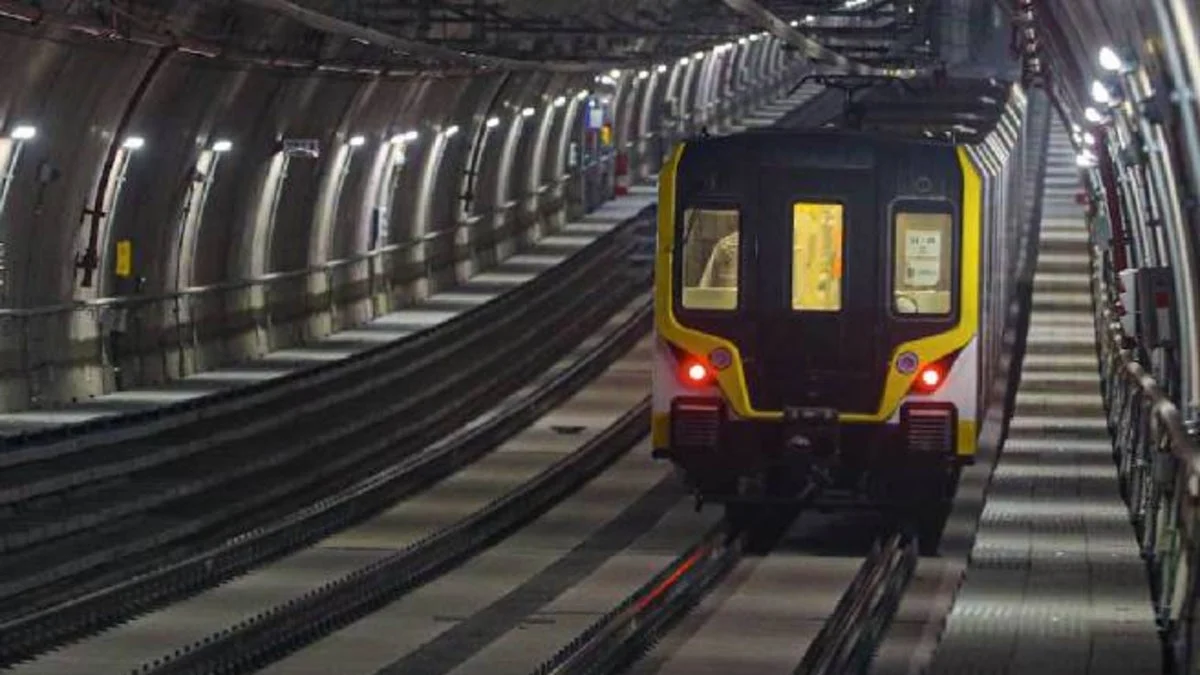
Lima, a sprawling metropolis of over 10 million inhabitants, has long suffered from an inefficient public transportation system, heavily reliant on informal bus networks and private vehicles. The introduction of the Lima Metro Line 2, the country’s first fully underground rail system, represents a paradigm shift in urban mobility.
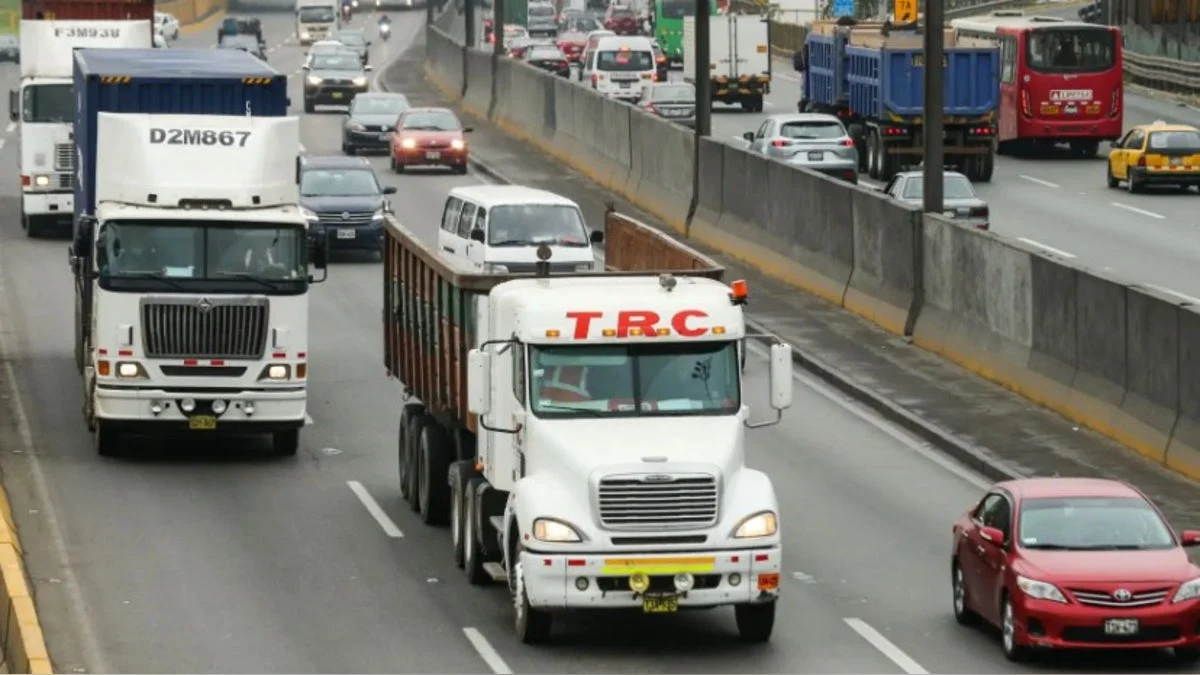
The three stations currently under the spotlight—Vista Alegre (E-25), Prolongación Javier Prado (E-26), and Municipalidad de Ate (E-27)—are strategically situated along the Avenida Nicolás Ayllón, historically known as the Carretera Central. This artery is one of the most congested routes in the city, serving as the primary gateway for cargo and passenger transport moving between the central highlands of Peru and the capital.
By extending the operational reach of the Metro to these stations, the MTC aims to provide a reliable, high-speed alternative to the gridlock of the Carretera Central. While the Ministry has yet to commit to a specific inauguration date or disclose the exact number of weeks or months they intend to shave off the current construction schedule, the urgency of the meetings underscores a government commitment to delivering tangible results for the residents of Lima East.
Chronology of a Mega-Project: From Conception to Execution
The journey of the Lima Metro Line 2 has been characterized by ambitious planning and complex engineering challenges. Understanding the progress of this project requires a look at its historical timeline and the phases that have defined its development.
Phase 1: The Foundations of the Underground
The project was envisioned as the backbone of Lima’s transport system. The initial phase, known as "Etapa 1A," saw the inauguration of five stations, providing a proof-of-concept for the city’s first underground subway. This initial stretch proved that the technological and safety systems were functional, setting the stage for the current expansion efforts.
Phase 2: The Integration of Etapa 1B and 2
In August 2026, the Supervisory Agency for Investment in Public Transport Infrastructure (Ositran) provided a comprehensive progress report. The data indicated that "Etapa 1B" had reached an impressive 96% completion rate, while "Etapa 2" was tracking at 91%.
Etapa 1B is particularly significant as it includes the integration of eleven additional stations to the existing network. This phase serves as the critical bridge connecting the heart of the city—including the historic Plaza Bolognesi—with the eastern residential hubs of San Juan de Dios, Vista Alegre, and the Municipality of Ate.
Phase 3: The Current Push for Efficiency
The current phase involves the synchronization of civil works with the complex electrical and signaling systems required for safe, high-frequency passenger transit. The October meeting between Minister Tangherlini and the concessionaire represents a transition from a construction-focused mindset to an operational-focused one, where the priority is the final systems integration that allows for passenger movement.
Supporting Data and Engineering Realities
The advancement of a project of this magnitude is not merely about laying tracks or building platforms. It involves a massive infrastructure of ventilation, fire suppression, telecommunications, and automated train control systems.
Ositran’s figures, while encouraging, highlight the nuance of infrastructure delivery. An "advance" of 96% in construction does not equate to 96% operational readiness. The final 4% involves the most delicate aspect of the project: the testing and certification of safety protocols.
The stations in question are located in high-density zones where the excavation process required sophisticated Tunnel Boring Machines (TBMs) to navigate beneath existing urban foundations. The successful completion of these tunnels, which is already behind us, has allowed for the focus to shift toward the interior fit-out of the stations—the installation of elevators, escalators, ticket vending machines, and platform screen doors, which are essential for the safety of passengers in an underground environment.
Official Responses and Stakeholder Perspectives
The MTC has been careful to frame this push for acceleration as a collaborative effort. By engaging directly with the concessionaire, the Ministry is attempting to identify potential bottlenecks—whether they be administrative, financial, or technical—that could be mitigated to bring the stations online faster.
"The goal is to provide the citizens of Ate with a world-class transit experience as quickly as possible," a spokesperson for the MTC noted following the meeting. "We are working in close coordination with the concessionaire to ensure that all safety parameters are met without compromising the pace of the project."
However, industry experts suggest that the government must balance the desire for speed with the necessity of rigorous testing. Underground rail systems require extensive "shadow running," where trains operate without passengers to ensure that the signaling and power systems can handle the stress of daily peak-hour traffic. Any shortcut in these protocols could lead to service interruptions, which would erode public confidence in the system during its infancy.
The Broader Implications for Lima
The implications of completing the expansion to Ate are profound. Firstly, there is the socio-economic impact. Residents of Lima East currently spend a significant portion of their daily lives—often three to four hours—commuting to work or school in the central and coastal districts. A functional Metro line could reduce this travel time to under 45 minutes, effectively reclaiming hours of productivity and leisure time for the population.
Secondly, there is the environmental impact. The transition from thousands of inefficient, emission-heavy buses to an electrified rail system will significantly reduce the carbon footprint of Lima’s transit sector. The reduction in traffic congestion also means fewer idling vehicles, which currently contribute to the city’s poor air quality.
Finally, the urban development potential cannot be overlooked. Transit-Oriented Development (TOD) often follows the path of major rail lines. With the arrival of the Metro, the areas surrounding the Vista Alegre and Municipalidad de Ate stations are likely to see an increase in residential and commercial investment, transforming these districts into vibrant, well-connected urban hubs.
Looking Ahead: The Path to Completion
As the MTC continues its negotiations, the public remains expectant. The project, while delayed by various factors over the past decade, represents the most significant investment in public infrastructure in Peruvian history.
The immediate future will likely see increased transparency from the Ministry regarding the specific challenges remaining. The focus will be on:
- Certification: Obtaining the necessary safety approvals from international auditors.
- Systems Integration: Ensuring that the rolling stock communicates perfectly with the new stations’ signaling systems.
- Staffing: Training personnel for station operations, security, and customer service.
In conclusion, the effort to accelerate the expansion of Line 2 is a vital step toward modernizing Lima. While the lack of a firm date for the opening of the three new stations in Ate may frustrate some, the ongoing dialogue between the government and the concessionaire suggests a unified focus on completion. For the commuters of Lima East, the dream of a fast, safe, and efficient commute is moving ever closer to reality, transforming the city’s landscape one station at a time.