The convergence of two distinct cultural phenomena—the global tradition of Halloween and the deeply rooted Day of Peruvian Creole Music—is set to transform October 31 into a pivotal economic milestone for Peru’s small and medium-sized enterprises (SMEs). As the nation prepares for this festive intersection, economic analysts and business leaders are projecting a significant surge in consumer activity, positioning the date as a vital catalyst for retail, hospitality, and service-based growth.
Main Facts: A Dual-Engine for Economic Growth
The upcoming October 31 celebrations are not merely cultural events; they represent a complex, high-demand commercial ecosystem. According to projections released by the Gremio de la Pequeña Empresa of the Lima Chamber of Commerce (CCL), the combined impact of these holidays is expected to drive an increase in sales between 8% and 12% compared to a standard, non-festive period.
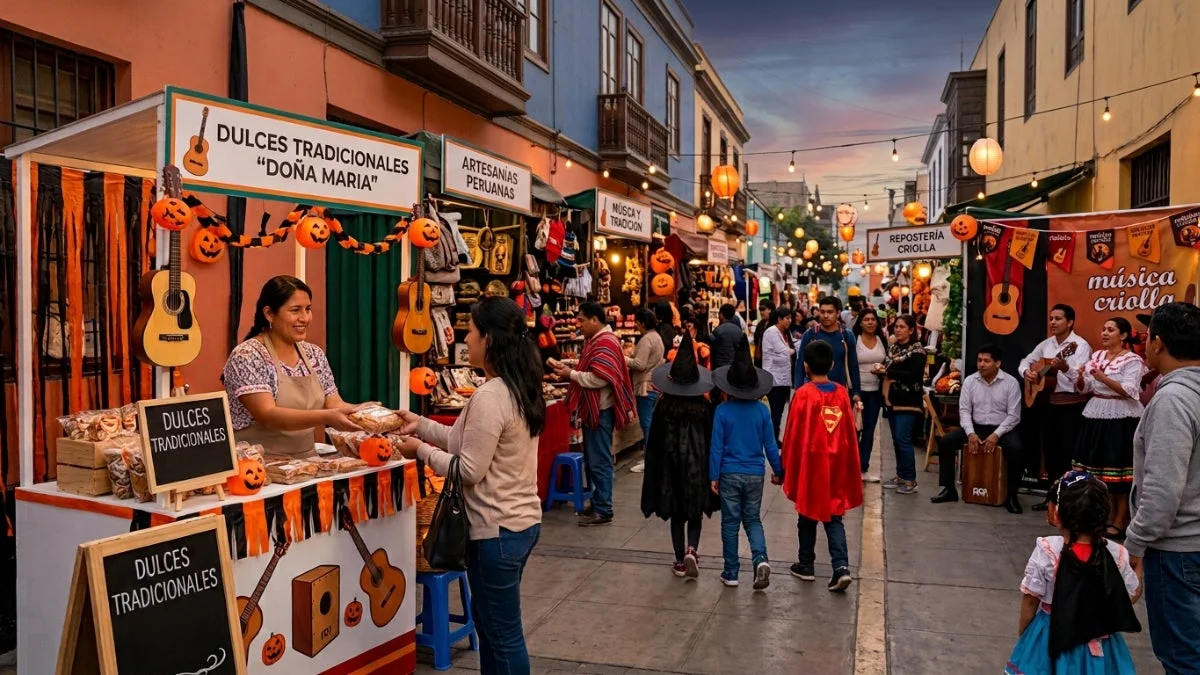
This growth is driven by the unique synergy between two very different consumer behaviors. Halloween functions as a high-velocity retail driver, characterized by impulse buying, costume procurement, and thematic event planning. Conversely, the Day of Peruvian Creole Music acts as a cornerstone for the service and hospitality sectors, fueling the demand for dining experiences, live music performances, and gatherings in traditional venues known as peñas.
Rodolfo Ojeda, president of the SME guild at the CCL, notes that this duality creates a "multi-sectoral windfall." While retail and apparel sectors reap the rewards of the Halloween costume and decoration market, the gastronomy and entertainment sectors thrive under the banner of Creole celebration. This diversification of demand is critical, as it prevents market saturation and allows various business models to capture a specific segment of the festive expenditure.
Chronology of Commercial Planning: From Preparation to Execution
The lead-up to October 31 involves a meticulous timeline of commercial preparation that often begins weeks, if not months, in advance.
Phase 1: Procurement and Inventory (Early October)
Successful SMEs have already begun the process of scaling their operations. This phase involves negotiating with suppliers, securing bulk orders for festive goods, and identifying alternative supply chains to mitigate potential shortages of high-demand items like candy, fabrics for costumes, and specialized culinary ingredients.
Phase 2: Marketing and Digital Outreach (Mid-October)
The digital landscape plays a decisive role in current commerce. Businesses are now in the midst of a robust social media push, leveraging platforms like Instagram, TikTok, and Facebook to showcase limited-time offers, event bookings, and thematic menus. The shift toward digital advertising has allowed smaller businesses to compete with larger retail chains by targeting local audiences with precision.
Phase 3: The Peak Period (October 28–31)
The final days before the holiday are characterized by intensive operational scaling. This includes the onboarding of temporary staff to handle increased foot traffic in restaurants and the optimization of e-commerce platforms to manage a surge in online orders.
Phase 4: Post-Event Analysis (Early November)
The final phase involves liquidity assessment and inventory reconciliation. Business owners are cautioned by the CCL to review their sales data immediately after the holiday to evaluate the return on investment for their expanded capital and to determine the efficacy of their inventory management strategies.
Supporting Data: Quantifying the Festive Spend
The economic magnitude of this day is best illustrated by the projections provided by the Faculty of Business and Innovation at the Universidad de Ciencias y Artes de América Latina (UCAL).
Per-Capita Expenditure
UCAL estimates that individual spending for the night will range between 120 and 250 soles. This figure encompasses the "experience economy"—costs associated with entry fees for themed parties, restaurant bills, costume rentals, and incidental purchases. When viewed through the lens of a middle-class household, this expenditure represents a significant allocation of disposable income, signaling a high level of consumer confidence.
National Economic Impact
The broader impact on the national economy is equally striking. UCAL estimates that the collective commercial movement on the night of October 31 will exceed 100 million soles. Furthermore, the convergence of these two events is expected to increase the commercial flow by 15% to 20% compared to a typical weekend. This statistic is vital for stakeholders, as it demonstrates that the "festive premium"—the additional revenue generated by the holidays—is substantial enough to alter the quarterly performance of many SMEs.
Official Responses and Strategic Recommendations
The Lima Chamber of Commerce (CCL) has adopted a proactive stance in advising the business community. Rodolfo Ojeda has issued a series of strategic recommendations intended to help SMEs capitalize on the demand while safeguarding their long-term financial health.
Capital Allocation
The CCL advises businesses to increase their working capital by 10% to 20%. However, this decision must be data-driven. Business owners are encouraged to analyze their historical sales performance from previous years and assess their actual capacity to fulfill orders. Over-leveraging during a holiday period is a common pitfall, and the CCL emphasizes that expansion should be proportional to operational capability.
Operational Resilience
To manage the spike in demand, businesses are encouraged to:
- Diversify Suppliers: Reducing reliance on a single provider helps mitigate risks related to supply chain disruptions.
- Leverage Temporary Labor: Hiring seasonal staff is essential for maintaining service quality during peak hours, particularly in the hospitality sector.
- Strategic Promotion: Rather than broad discounting, the CCL suggests targeted promotions that incentivize larger transaction values, such as "party bundles" for groups or set menus for Creole music events.
The Warning: Liquidity vs. Inventory
Perhaps the most significant piece of advice from the CCL is the warning against the "inventory trap." Accumulating excess merchandise that cannot be sold post-holiday can paralyze an SME’s cash flow for months. Ojeda emphasizes that production and procurement must be performed in a "staggered" fashion, aligning with real-time demand rather than speculative optimism.
Implications for the Future of the SME Sector
The economic performance of October 31 serves as a barometer for the health of the Peruvian SME sector. As these businesses become increasingly adept at capitalizing on dual-celebration events, they are developing a more sophisticated approach to inventory management, digital marketing, and financial planning.
The Rise of the "Hybrid Celebration"
We are witnessing a shift where businesses are no longer choosing between "Halloween" or "Creole Music." Instead, many are adopting a hybrid model. Restaurants are offering "creole-themed" menus alongside Halloween-inspired cocktails, while entertainment venues are organizing events that feature both costume contests and traditional musical performances. This blending of cultures is becoming a lucrative business strategy, allowing companies to cater to a broader demographic.
Digital Transformation
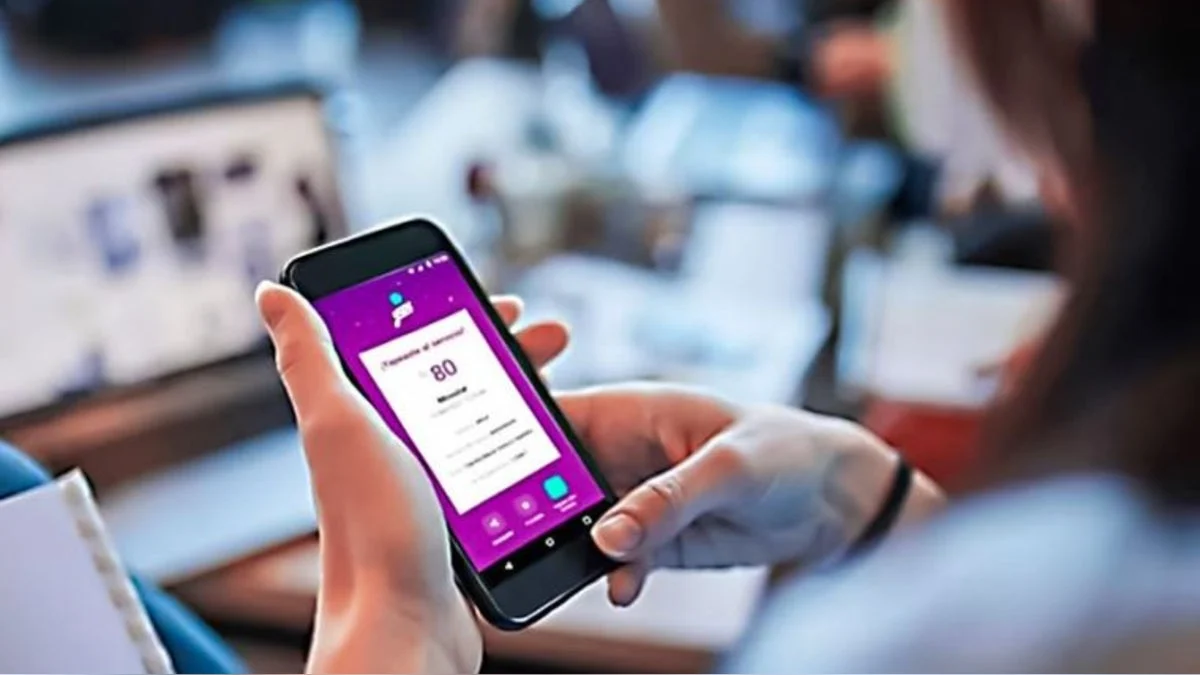
The reliance on digital channels to capture customers during these holidays is accelerating the digital transformation of Peru’s smaller businesses. From WhatsApp-based ordering systems to social media-driven promotions, the reliance on technology is reducing the barriers to entry and enabling more agile responses to consumer trends.
Challenges Ahead
Despite the optimism, challenges remain. Economic volatility, inflation, and the cost of credit continue to weigh on the minds of entrepreneurs. However, the projection of 100 million soles in movement suggests that consumer demand remains resilient. For SMEs, the key to success lies in the balance between ambition and caution—ensuring they are prepared to meet the influx of customers without compromising their financial liquidity.
Conclusion
As October 31 approaches, the intersection of Halloween and the Day of Peruvian Creole Music stands as a vibrant testament to the adaptability of the Peruvian economy. With a projected increase in sales and a potential influx of over 100 million soles into the market, the day is more than a cultural celebration—it is a vital economic engine. By following the strategic guidance provided by the Lima Chamber of Commerce and leveraging the data-driven insights of institutions like UCAL, SMEs are well-positioned to turn this festive window into a period of sustainable growth and long-term business resilience. The lessons learned during this period, from inventory management to digital engagement, will undoubtedly serve as a foundation for how these businesses approach future peak-demand events throughout the year.