Introduction: A Strategic Pivot for Economic Growth
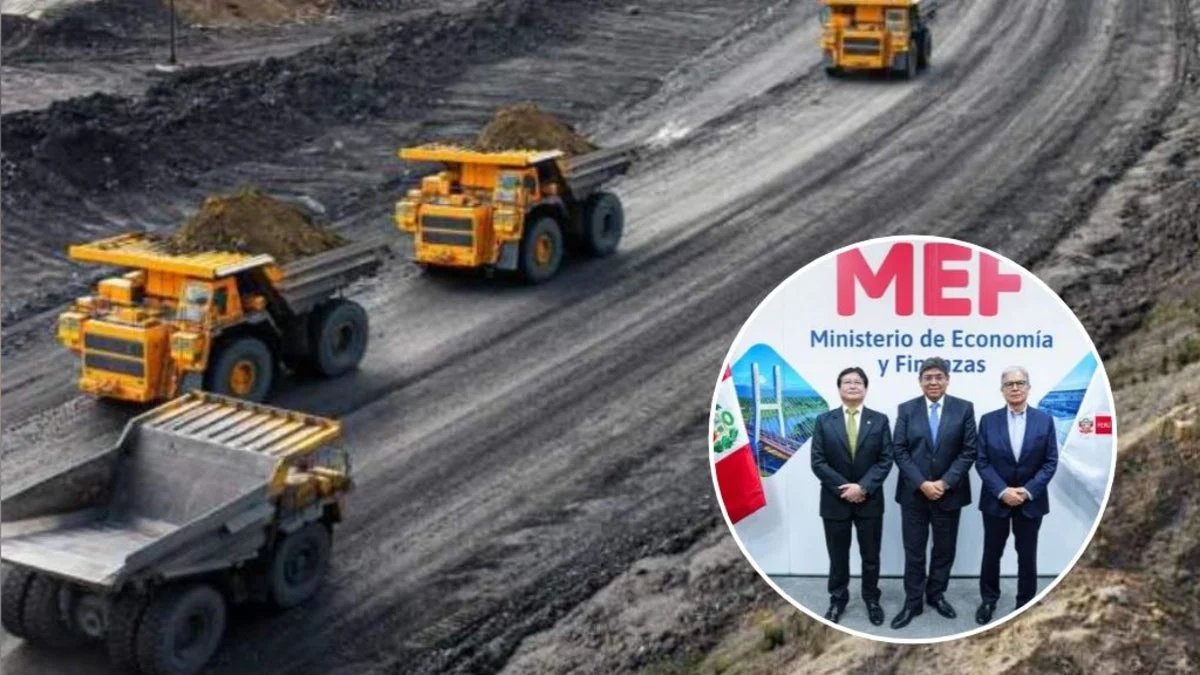
In a significant move aimed at reinvigorating the engine of the Peruvian economy, three pivotal government entities—the Ministry of Economy and Finance (MEF), the Ministry of Energy and Mines (MINEM), and the Ministry of the Environment (MINAM)—have announced a high-level coordination framework. This collaborative effort seeks to dismantle the bureaucratic bottlenecks and regulatory hurdles that have historically stifled the progress of large-scale mining and energy projects across the nation.
The initiative, characterized by a renewed emphasis on "agile governance," underscores a delicate but essential balancing act: accelerating private investment while steadfastly upholding rigorous environmental standards and safeguarding the rights of local and indigenous communities. As global markets fluctuate, Peru is positioning itself to capitalize on its vast mineral wealth, viewing these projects not merely as corporate ventures, but as primary catalysts for national socioeconomic development, job creation, and long-term public welfare.
Main Facts: The Triple-Ministry Alliance
The task force is led by key cabinet members, including the Minister of Economy and Finance, Elmer Cuba; the Minister of Energy and Mines, Guillermo Shinno; and the Minister of the Environment, Vladimiro Huaroc. The primary objective is to streamline the "tramitología" (red tape) that has historically delayed project start dates by months or even years.
Key elements of this policy shift include:
- Integrated Oversight: Establishing a unified communication channel between the three ministries to prevent contradictory regulatory demands.
- Efficiency Mandates: A directive to review and reduce administrative timelines for environmental permits and social impact assessments without compromising quality or transparency.
- Economic Prioritization: Recognizing the current favorable cycle in international metal prices as a "window of opportunity" that must be seized to boost the country’s GDP and fiscal health.
Chronology of the Initiative: Moving Toward Execution
The development of this inter-ministerial strategy follows a series of internal assessments regarding the sluggish pace of private investment in recent quarters.
- Initial Assessment (Q1): The MEF conducted a thorough audit of the project pipeline, identifying that nearly 40% of delays were rooted in overlapping administrative jurisdictions between MINEM and MINAM.
- Strategic Summit: The three ministers met in Lima to align their policy agendas, moving away from siloed operations toward a collaborative, task-force-based approach.
- Policy Drafting: Following the summit, technical teams were dispatched to map out the specific regulatory points where "bottlenecks" occur, ranging from water usage permits to social license consultations.
- Implementation Phase (Current): The government has begun the process of digitizing and centralizing project tracking, ensuring that all three ministries have real-time visibility into the status of the 66 identified mega-projects.
Supporting Data: The Magnitude of the Portfolio
The stakes for the Peruvian economy are immense. Currently, the country oversees a massive portfolio of 66 major mining projects, with an estimated total investment value of US$ 64 billion. These projects are distributed across 19 different departments, creating a ripple effect of development that reaches deep into the regional economy.
Mining vs. Energy Landscape
- Mining Sector: Concentrated heavily in copper, gold, and zinc, these projects represent the backbone of Peru’s export revenue. The current portfolio is designed to increase production capacity significantly over the next decade.
- Hydrocarbons and Electricity: Beyond traditional mining, the government is focusing on energy security. The transition toward renewable energy and the expansion of the national power grid are critical components of the current regulatory overhaul.
- Regional Impact: Because these projects are geographically dispersed, they represent a vital source of infrastructure development—including roads, water treatment plants, and school construction—funded by regional canon (tax) distributions.
Official Responses and Strategic Vision
The consensus among the leadership is clear: the current administrative environment is no longer fit for purpose.
Minister Elmer Cuba articulated the government’s stance during the press briefing: "There is a firm commitment among the three ministries to move forward. Investment projects are not the final end; they are the vehicle to achieve greater employment and provide the public resources necessary to improve the wellbeing of our population."
The Minister further emphasized the urgency of the moment: "In the MEF, we are prepared to support the reduction of bureaucracy to push forward the development of mining projects. We must capitalize on the current global demand for metals, which provides a unique window for our national development."
The message from the ministries is one of "responsible facilitation." By removing administrative obstacles, the state is not signaling a reduction in environmental oversight, but rather an improvement in the efficiency of the state’s regulatory functions. The aim is to ensure that companies can move from the conceptual phase to operation with more predictability, which in turn encourages long-term capital commitment.
Implications: Balancing Progress and Protection
The success of this inter-ministerial coordination will be measured by its ability to resolve the "triple challenge": economic growth, environmental stewardship, and social peace.
1. The Environmental Framework
MINAM’s participation is crucial to ensuring that streamlining does not equate to lowering the bar. The ministry is tasked with implementing more efficient, evidence-based environmental monitoring. By digitalizing the permitting process, the ministry aims to provide clearer, more transparent feedback to companies, reducing the "back-and-forth" that often results in stalled projects.
2. Social License and Community Rights
A primary cause of project delays in Peru has historically been social conflict. The government’s new framework emphasizes that streamlining administrative processes must include robust, early-stage community engagement. By ensuring that the benefits of mining—such as infrastructure and employment—are clearly communicated and delivered to local communities, the government hopes to reduce the risk of protests and blockades that have derailed previous multi-billion-dollar investments.
3. Economic Stability and Fiscal Revenue
For the Peruvian economy, these 66 projects represent more than just dollar signs. They are the primary source of the canon minero, which funds the budgets of regional and local governments. By accelerating these projects, the central government is effectively injecting capital into the provinces, potentially stimulating secondary industries like logistics, construction, and service providers.
Future Outlook: A New Standard for Governance
As Peru moves forward, the success of this initiative will be watched closely by international investors and local stakeholders alike. The "tri-ministerial" model could set a new standard for how resource-rich nations manage their extractives sectors.
By integrating economic, energy, and environmental policy into a cohesive strategy, the government is attempting to modernize the role of the state. Instead of acting as an obstacle to progress, the state is evolving into a facilitator of sustainable development.
However, the road ahead is complex. The government must navigate potential political opposition and ensure that the streamlined processes remain transparent to prevent corruption and maintain public trust. If executed correctly, this initiative could turn the $64 billion pipeline into a reality, solidifying Peru’s position as a global leader in responsible mining and energy production, and ensuring that the prosperity generated by these projects is felt by all segments of society.
In conclusion, the coordination between the MEF, MINEM, and MINAM represents a pragmatic recognition that in a competitive global economy, efficiency is not just an advantage—it is a necessity. By harmonizing their efforts, these ministries are laying the groundwork for a more prosperous, stable, and sustainable future for Peru.