Executive Summary: Strengthening the Backbone of Tin Production
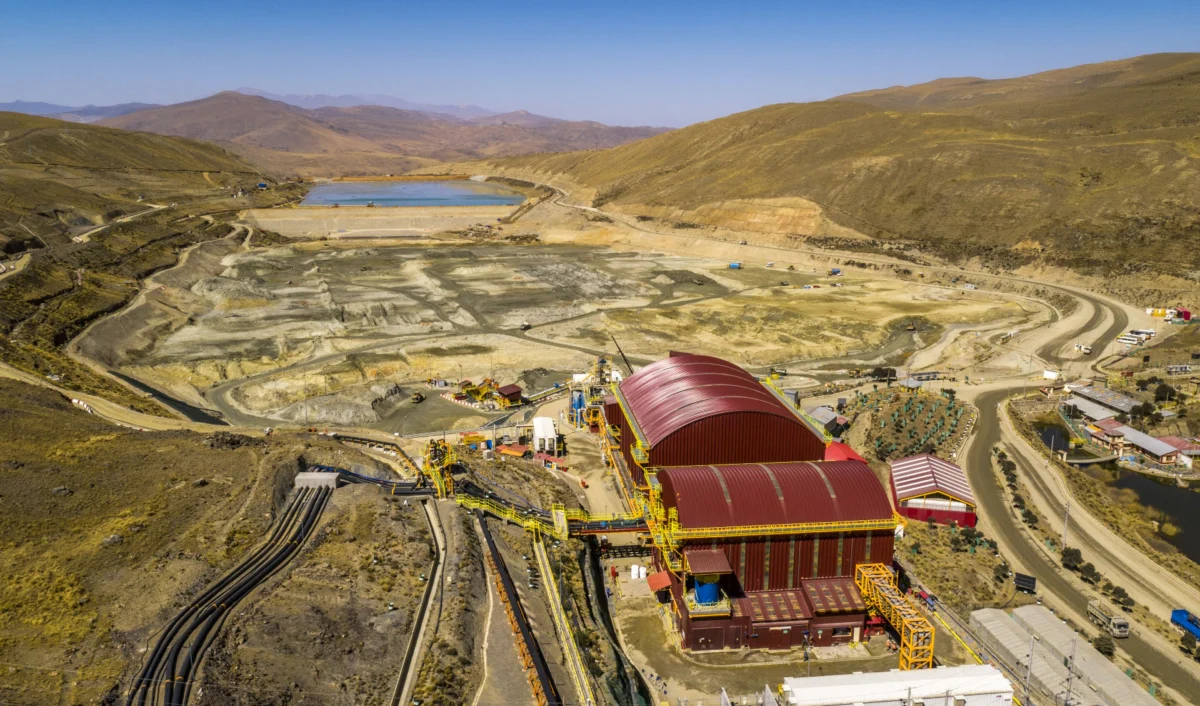
Minsur S.A., the powerhouse of the Peruvian mining sector and a global leader in tin production, has officially submitted its Second Technical Sustaining Report (ITS, by its Spanish acronym) to the National Service for Environmental Certification for Sustainable Investments (Senace). This strategic move concerns the company’s flagship asset, the Nueva Acumulación Quenamari – San Rafael mine, located in the Puno region.
With a committed investment of $22 million, this package of interventions is designed to optimize, secure, and streamline existing operations. While the mining industry often focuses on headline-grabbing mega-projects, this ITS represents the "silent engine" of the operation—the necessary technical adjustments that ensure the facility remains a world-class, high-efficiency producer. Coming just months after the approval of the first ITS in March 2026, this submission underscores Minsur’s proactive management style as it simultaneously navigates the complex, long-term regulatory requirements for its future expansion project, which aims to extend the life of the mine until 2041.
Chronology: The Evolution of a Mining Icon
San Rafael is not merely a mine; it is a historic pillar of the Peruvian economy. Since 1977, the operation has functioned with remarkable continuity, serving as the nation’s sole tin producer.
- 1977 – 2025: Establishing a legacy of consistent production and technological adaptation.
- March 2026: Senace approves the first ITS, signaling the start of a new cycle of operational optimizations.
- Late 2026: Minsur submits the Second Technical Sustaining Report (ITS), introducing a comprehensive list of infrastructure and process enhancements.
- 2028 – 2041: The projected window for the massive, $1.77 billion Fifth Modification to the Environmental Impact Assessment (MEIA), which seeks to increase processing capacity from 3,480 to 5,000 tonnes per day.
The current ITS acts as the vital bridge between the day-to-day operational requirements of today and the transformative goals of the next decade.
Operational Enhancements: Safety and Efficiency at the Core
The $22 million investment is distributed across a wide array of technical improvements that, while granular in nature, are essential for large-scale underground mining.
Underground Safety and Logistics
Safety remains the top priority for Minsur. The report outlines an increase in concrete production capacity specifically to support "shotcrete" operations. In deep underground mining, the integrity of the tunnels is paramount; providing high-quality, timely shotcrete application is a direct investment in the safety of the workforce.
Furthermore, the company is relocating the San Germán operations to the 4,185-level. This move involves the construction of a new, modernized canteen and maintenance workshop. By optimizing the proximity of these facilities to the active mining front, Minsur reduces the transit time for personnel and equipment, minimizing the "frictions" that can lead to operational bottlenecks.
Electrical and Hydraulic Resilience
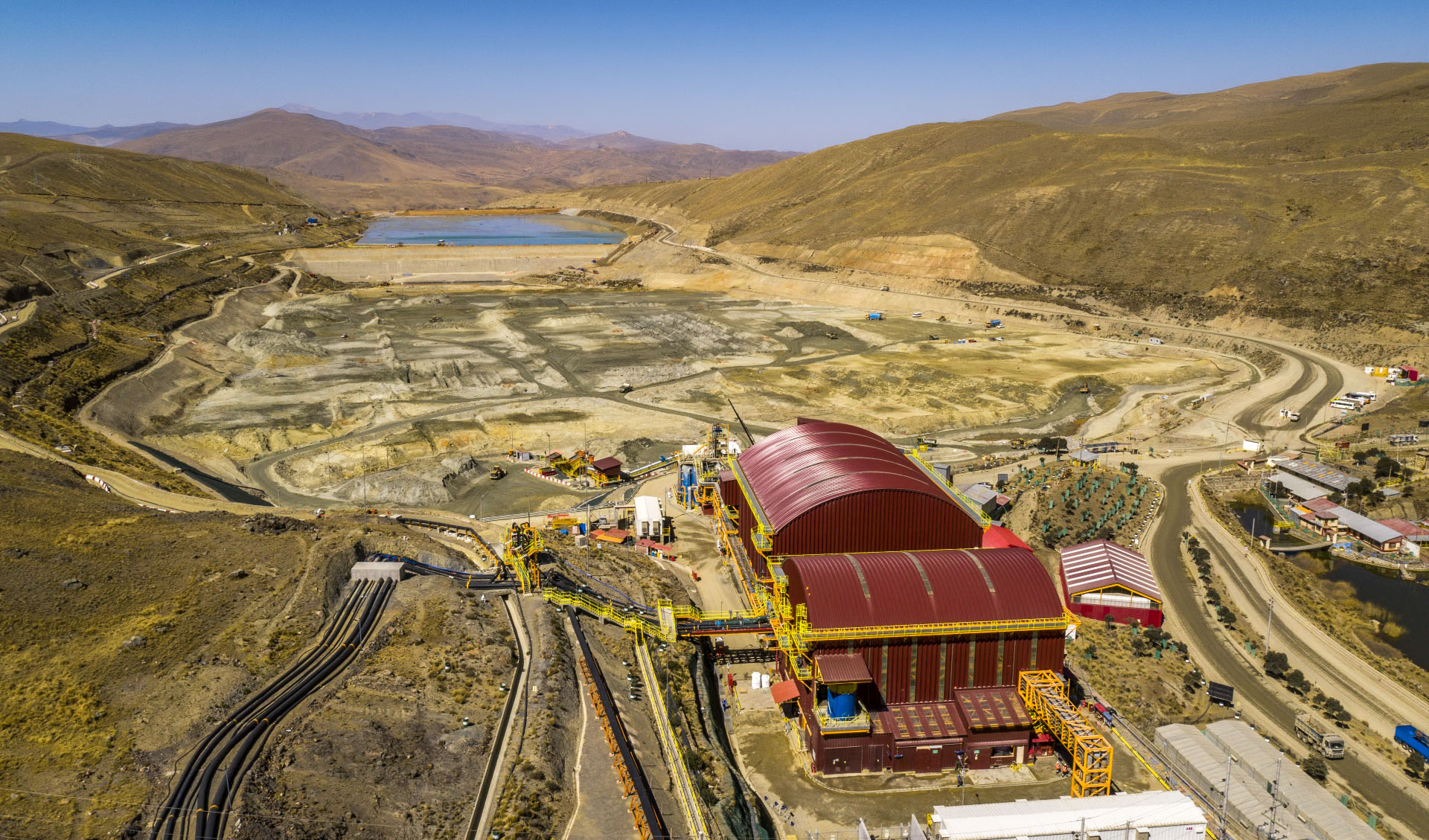
The stability of power and water management systems is critical in high-altitude environments. Minsur is moving to permanently integrate temporary electrical backup solutions for the B33F station. These systems were proven during recent power fluctuations, and their permanent installation provides a "failsafe" against grid instability.
In terms of water management, the facility is implementing a circular economy approach. Process water from the B2 Plant will be diverted to the non-potable fresh water network. This modification will significantly boost water recirculation rates, effectively reducing the extraction of fresh water—a vital contribution to sustainability in a region where water security is a primary concern for local stakeholders.
Supporting Data: By the Numbers
The performance of San Rafael during the first half of 2026 confirms the effectiveness of Minsur’s operational strategies:
- Tin Output: 13,455 tonnes of tin in concentrate, representing a 6% increase compared to the same period in 2025.
- Daily Throughput: The mine currently processes 8,280 tonnes of ore per day.
- Investment Scope: The current ITS covers $22 million, separate from the $1.77 billion earmarked for the 2028-2041 long-term expansion.
- Operational Longevity: Over 49 years of uninterrupted service.
These metrics highlight that Minsur is not just maintaining the status quo, but actively increasing efficiency despite the maturity of the deposit.
Technical Infrastructure and Environmental Stewardship
The Second ITS is heavily focused on the "supporting architecture" of the mine. This includes the expansion of the Larancota topsoil deposit to manage organic material and the enlargement of the local sanitary landfill, ensuring the site meets the highest environmental standards.
Tailings and Water Management
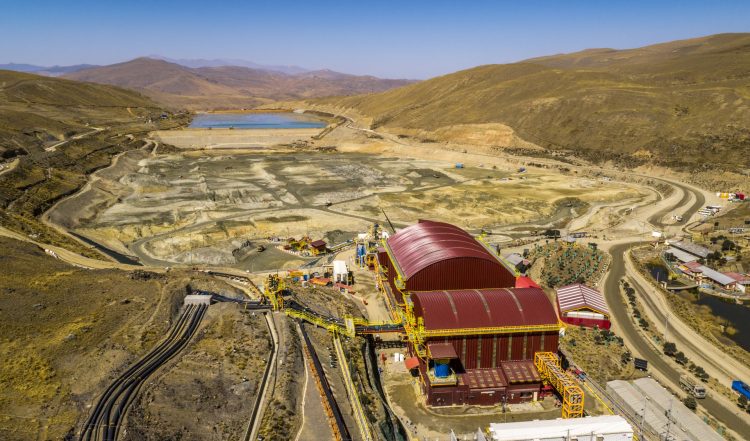
A significant portion of the report details the engineering refinements for tailings management. These include:
- Energy Dissipation: New hydraulic structures to reduce erosion downstream from the tailings facilities.
- Runoff Management: Enhanced capture systems to integrate northern sector runoff into the site’s contact water system.
- Filtration Control: Upgrades to the foundation of the dams to improve hydraulic stability, complementing the improvements established in the 2025 MEIA.
These measures ensure that the environmental footprint of the mine remains contained and monitored, providing a buffer against the impact of heavy seasonal rainfall in the Andes.
Geotechnical Advancement
Minsur is also investing in a new facility to store and analyze geological drill cores. This is not merely a warehouse; it is a repository of knowledge. By improving the preservation of these samples, the company enhances its geological and geotechnical modeling, which is essential for future risk assessments and long-term stability planning.
Implications: The Long-Term Vision
The filing of this Second ITS reveals a sophisticated two-track strategy.
The Short-Term Track: The "maintenance of the day-to-day." These are the optimizations that prevent operational decay. By investing in better offices, safer workshops, and more efficient water loops, Minsur ensures that the morale of the workforce and the reliability of the machinery remain high. It is an investment in human capital as much as it is in hardware.
The Long-Term Track: The "Fifth Modification to the MEIA." This project is the future of the company, with a massive capital expenditure of $1.77 billion. By advancing the technical site requirements now, Minsur is essentially "clearing the path" for the larger project. The success of the current, smaller-scale improvements provides the operational stability required to execute the much larger expansion in the coming years.
A Commitment to the Community and Environment
The inclusion of specific social and environmental commitments—such as the ensured water supply to the BF-14 wetlands and the improved pedestrian access to water monitoring stations—demonstrates that Minsur understands its role as a regional partner. By providing transparent, documented access to environmental data, the company fosters trust with local communities, an asset that is as valuable as the tin extracted from the ground.
Conclusion
The San Rafael mine remains a cornerstone of the global tin market. Through the $22 million investment outlined in this Second ITS, Minsur S.A. demonstrates a commitment to operational excellence that balances industrial necessity with environmental responsibility.
As the company looks toward 2041, these small, iterative improvements serve as the foundation upon which the future of the mine is built. In the complex world of mining, it is often the "silent" investments—the better workshops, the smarter water usage, and the reinforced tailings management—that define the difference between a project that merely exists and one that thrives. Minsur continues to prove that, through careful management and technical foresight, it can continue to extract value from one of the world’s most challenging and rewarding environments.