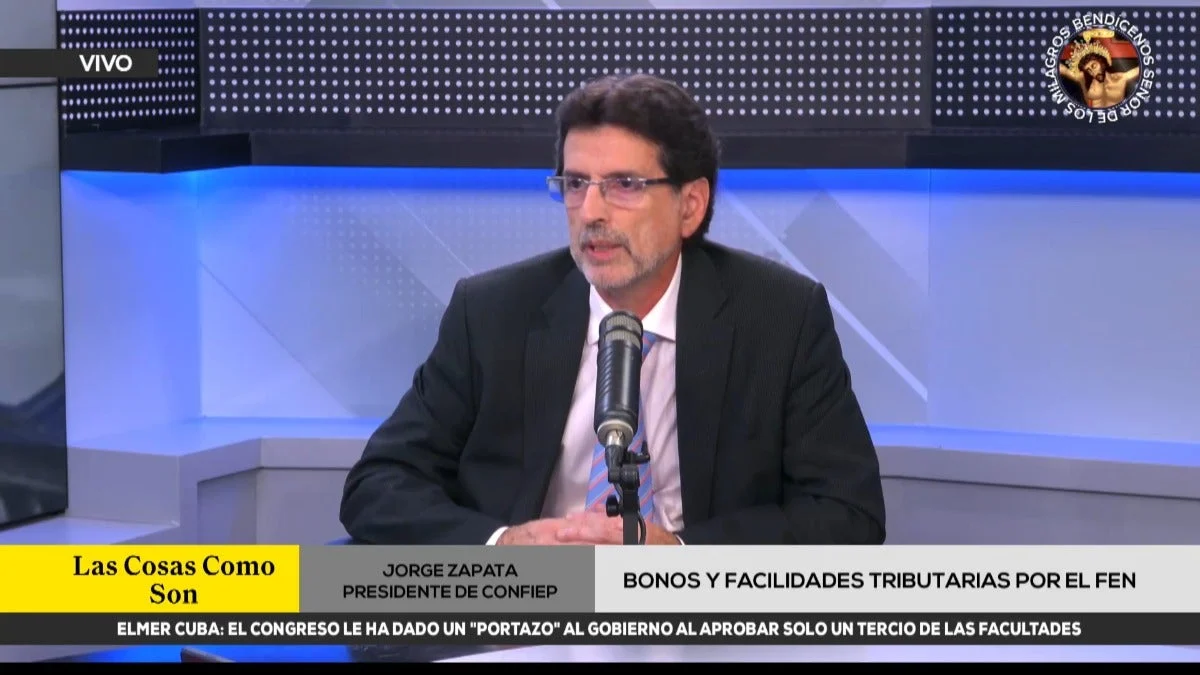
In a recent interview with RPP TV’s program "Las cosas como son," Jorge Zapata Ríos, president of the National Confederation of Private Business Organizations (Confiep), addressed two of the most pressing challenges currently facing the Peruvian economy: the looming threat of the "El Niño" climate phenomenon and the systemic "tramitología" (red tape) that has long hindered national development.
Zapata’s remarks come at a critical juncture, as the government evaluates fiscal and labor strategies to mitigate the potential economic fallout from environmental disasters while simultaneously attempting to stimulate investment in the extractives sector.
The El Niño Threat: Labor Flexibility and Fiscal Response
The Case for "Perfect Suspension"
As meteorologists warn that the upcoming El Niño phenomenon could potentially surpass the devastating impacts of the 1998, 1982, and 2017 events, the Executive branch is currently analyzing the potential implementation of the "suspensión perfecta de labores" (perfect suspension of labor). This mechanism, which allows for the temporary suspension of employment contracts when a business is physically or economically unable to operate due to extraordinary circumstances, has sparked intense debate.
Zapata emphasized that this is not a blanket policy but a targeted survival tool. "There is a misconception that this favors big corporations," Zapata stated. "People forget that the business sector is comprised largely of micro and small enterprises. Not every business owner is wealthy; many are struggling to keep their doors open. When an extraordinary event renders operations impossible, this tool becomes a lifeline."
He clarified that the process is far from automatic. Any application of the suspension must be requested by the employer and subsequently scrutinized and approved by the Ministry of Labor and Employment Promotion, ensuring that the mechanism is only utilized under conditions of genuine operational necessity.
Fiscal Stimulus and Government Action
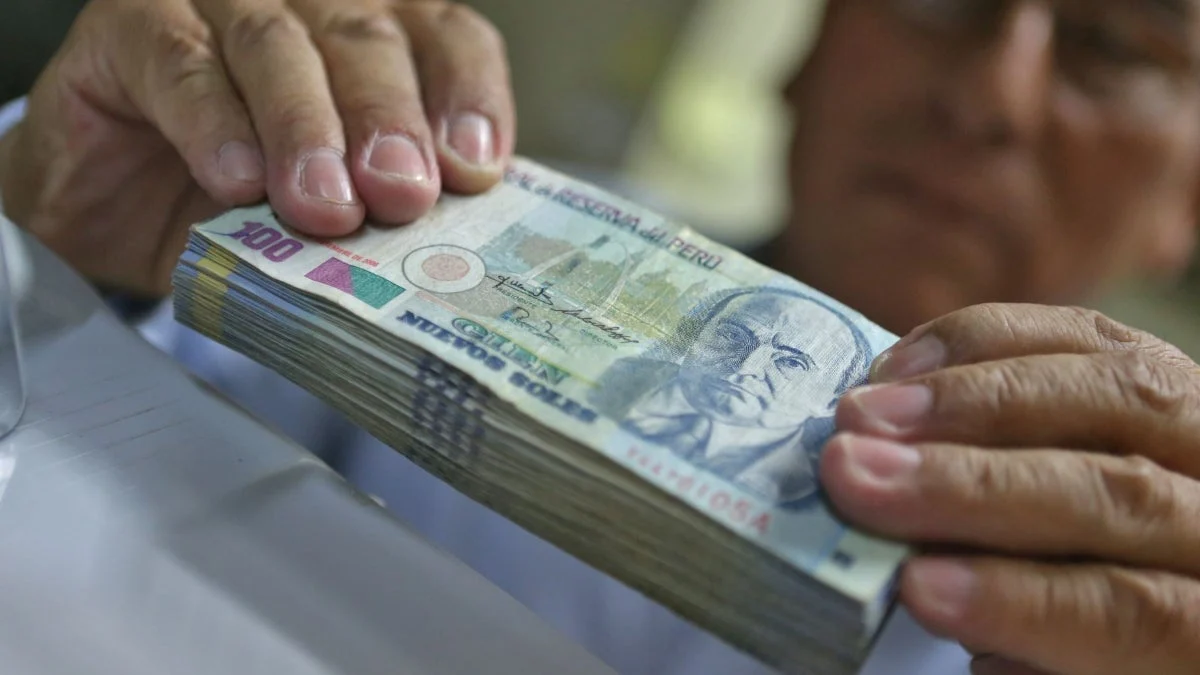
In parallel to labor considerations, the Ministry of Economy and Finance (MEF) recently announced a stimulus package totaling S/ 18 billion. These funds are earmarked for direct support to vulnerable families and an aggressive expansion of "Obras por Impuestos" (Works for Taxes) to maintain infrastructure momentum.
Zapata expressed strong support for these measures, characterizing them as both necessary and coherent given the scientific forecasts. "The government is acting with appropriate urgency," he noted. "Given the magnitude of the predicted climate disruption, front-loading social and infrastructure spending is the correct strategy to prevent a total stagnation of the national economy."
The Burden of Bureaucracy: A Half-Century Wait for Progress
Perhaps the most startling revelation in Zapata’s critique of the current economic environment concerns the mining sector—the traditional engine of Peru’s GDP. According to the Confiep leader, the time required to bring a mining project from inception to full operation has ballooned to between 50 and 60 years.
The Anatomy of Regulatory Stagnation
Zapata identified a "bureaucratic bloat" that has metastasized over the last 15 years. "We have dedicated ourselves to growing the size of the State," he argued. "In doing so, we have created an endless series of agencies, each with its own ‘window’ and its own unique set of requirements. We have effectively doubled the number of permits required in the mining sector alone."
This regulatory labyrinth does not merely affect multinational mining giants; it creates a "chilling effect" that stifles smaller enterprises. The complexity of navigating environmental impact studies, community consultations, and municipal licensing acts as an insurmountable barrier to entry for smaller firms, preventing them from scaling up and contributing more significantly to the national tax base.
Chronology of Regulatory Friction in Peru
To understand the current impasse, one must look at the evolution of the Peruvian administrative state:
- 2000–2010 (The Growth Era): A decade defined by rapid economic expansion. While the economy flourished, the administrative machinery of the State began to expand, adding layers of oversight to ensure sustainable development.
- 2010–2015 (The Institutional Build-up): The creation of various specialized environmental and social agencies was intended to harmonize extraction with community interests. However, these agencies often operated in silos, creating overlapping jurisdictions.
- 2015–2020 (The Peak of Complexity): The proliferation of regional and municipal permits, coupled with increasingly complex social licensing requirements, led to the "50-year horizon" for project development.
- 2020–2023 (The Pandemic and Post-Pandemic Shift): The economic shocks of COVID-19 forced a re-evaluation of labor laws (e.g., the introduction of remote work and labor suspension mechanisms), highlighting the rigidity of the existing legal framework.
- 2024–Present (The Call for "Destrabe"): Current leadership, led by voices like Confiep, is calling for a radical "destrabe" (unblocking) of the system, arguing that without a reduction in red tape, the country will lose its competitive edge in the global mining market.
Supporting Data: The Cost of Compliance
The economic implications of this regulatory environment are quantifiable. The "Cost of Compliance" in Peru is currently among the highest in Latin America. According to data alluded to by industry experts:
- Administrative Overhead: For small businesses, the cost of regulatory compliance—tax filing, labor law adherence, and municipal permitting—consumes a significant percentage of annual revenue, often forcing them to remain in the informal sector.
- The Feriado Impact: Peru maintains 16 annual public holidays. While popular, these create significant disruptions in manufacturing and export logistics. Zapata has called for a formal economic assessment of these holidays to understand their net impact on national productivity.
- The Sunafil Paradigm: The National Superintendency of Labor Inspection (Sunafil) is currently viewed by many in the private sector as a punitive agency rather than a collaborative one. Zapata’s proposal is to pivot the agency toward "induction and training" to help small entrepreneurs understand how to manage formal payrolls, rather than immediately resorting to heavy fines that threaten the solvency of small firms.
Official Responses and Path Forward
The government’s response to the private sector’s calls for "destrabe" remains a complex balancing act. The Ministry of Economy is walking a tightrope between the need to lower the deficit and the demand to stimulate investment.
Proposed Reforms:
- Digitalization of Permits: Moving toward an automated system for municipal operating licenses to remove human discretion and speed up the "time-to-market" for new businesses.
- Sunafil Reform: Shifting the focus of labor inspections from purely revenue-generating fines to technical assistance for micro-enterprises.
- Regulatory Sunset Clauses: Evaluating the necessity of existing permits and eliminating those that are redundant or duplicative.
"We cannot expect to be a modern, competitive economy while operating under a colonial-era administrative structure," Zapata concluded. "The goal is to foster an environment where a micro-entrepreneur can dream of becoming a large-scale producer, not one where they are strangled by their own government’s paperwork."
Implications for the Peruvian Economy
The implications of these discussions extend far beyond the boardroom. If the government fails to "unblock" the extractives sector, the loss of potential tax revenue could cripple long-term social programs. Conversely, if the labor flexibility measures are not implemented correctly, the private sector risks losing its workforce during the inevitable downturn caused by El Niño.
The path forward requires a new social contract between the State and the private sector—one that recognizes the precarious nature of micro-enterprises, the necessity of scientific preparation for climate change, and the urgent requirement for a more streamlined, efficient, and transparent regulatory framework. As the nation prepares for the challenges ahead, the dialogue between Confiep and the Executive will be a decisive factor in determining whether Peru experiences a period of prolonged recession or a resilient recovery.