Executive Summary: The Market Landscape
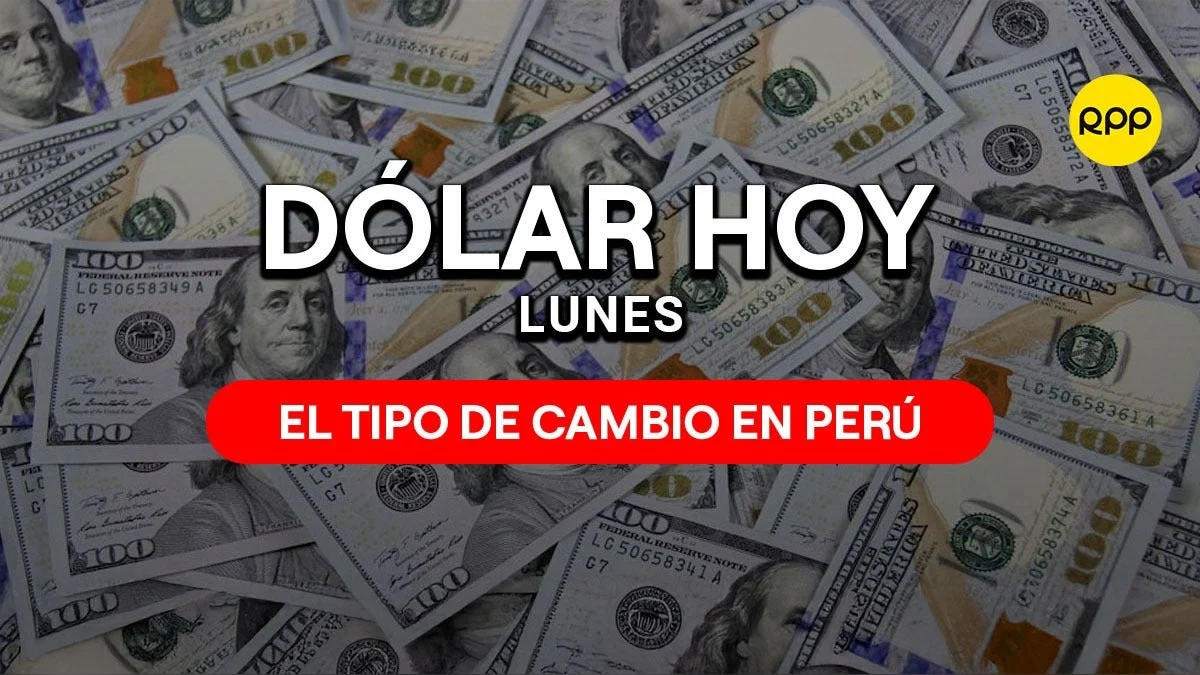
As of Monday, September 28, the exchange rate in Peru stands at S/3.42 per US dollar, as reported by the Central Reserve Bank of Peru (BCRP). This figure serves as a vital barometer for the health of the national economy. In an increasingly globalized market, the American dollar acts as the primary vehicle for international trade, and its valuation within the Peruvian financial system is a matter of profound importance for both individual households and large-scale industrial enterprises.
The stability of the sol against the dollar is not merely a numerical fluctuation; it represents the purchasing power of the citizenry, the cost of imported goods, and the overall confidence of foreign investors in the Peruvian market.
The Role of the US Dollar in the Peruvian Economy
To understand why the daily ticker of the dollar is a headline event in Peru, one must first recognize the "bimonetary" nature of the local economy. Unlike many other nations where the domestic currency is the exclusive medium of exchange, Peru maintains a significant portion of its financial life in US dollars.
Why the Dollar Matters
The US dollar is the global reserve currency. Because the majority of international trade—ranging from commodities like copper and gold to consumer electronics and petroleum—is priced in dollars, Peru’s import-heavy sectors are intrinsically linked to the strength of the greenback.
When the dollar rises against the sol, the cost of importing fuel, wheat, and technology increases. This "imported inflation" eventually trickles down to the consumer level, affecting the price of bread, gasoline, and imported vehicles. Conversely, when the sol strengthens, the cost of these imports drops, which can help keep inflation within the target ranges set by the BCRP.
Financial Literacy and Decision Making
For the average Peruvian citizen, the exchange rate is not an abstract academic concept. It is a practical factor in daily life:
- Mortgages and Loans: Many long-term debts in Peru are denominated in US dollars. A sharp fluctuation in the exchange rate can mean the difference between a manageable monthly payment and a financial crisis for a household.
- Savings: A significant portion of the Peruvian population keeps their long-term savings in dollars as a hedge against potential local currency volatility.
- International Purchases: With the rise of global e-commerce, citizens purchasing goods from overseas platforms are immediately sensitive to exchange rate shifts.
Chronology: The Evolution of Currency Management in Peru
The current stability of the Peruvian sol is the result of decades of structural reform and a prudent monetary policy.
The Hyperinflationary Era (The 1980s)
Historically, Peru faced one of the most devastating bouts of hyperinflation in Latin American history during the late 1980s. The devaluation of the local currency was so rapid that it lost all utility as a store of value. This period of instability forced the economy toward "dollarization," a process where the US dollar became the preferred currency for almost all significant transactions.
The Reform Era (1990s – 2000s)
Following the structural adjustments of the early 1990s, the BCRP gained autonomy. This independence was the cornerstone of the modern Peruvian economy. By focusing on inflation targeting and maintaining healthy international reserves, the Central Bank successfully transitioned the country toward a more stable environment where the sol regained its status as a credible currency.
The Modern Stability (2010s – Present)
In recent years, the BCRP has adopted a policy of "managed floating." This means the bank allows the market to set the price of the dollar based on supply and demand, but it intervenes during periods of extreme volatility to prevent "irrational" spikes or drops. The current rate of S/3.42 is a testament to the effectiveness of these interventions and the country’s macroeconomic health.
Supporting Data and Economic Indicators
To grasp the significance of the S/3.42 rate, one must look at the macro indicators that sustain it.
International Reserves
Peru maintains a robust level of net international reserves. These act as a "war chest," allowing the Central Bank to provide liquidity to the market during times of global uncertainty, such as the COVID-19 pandemic or geopolitical tensions. High reserves bolster investor confidence, which in turn prevents the sol from depreciating rapidly.
Trade Balance
As a major exporter of copper, zinc, and agricultural products, Peru’s trade balance is highly sensitive to the global price of these commodities. When global prices for copper are high, the influx of dollars into the Peruvian economy is significant, which keeps the supply of dollars high and the exchange rate relatively stable.
Comparison to Regional Peers
When compared to neighboring economies like Argentina or Venezuela, Peru’s currency management has been exemplary. While other nations in the region have suffered from chronic currency devaluation, Peru has maintained a low-inflation environment, keeping the dollar’s influence within a manageable range.
Official Responses and Monetary Policy
The Central Reserve Bank of Peru, currently led by its board of governors, operates with a clear mandate: to preserve monetary stability.
The Strategy of "De-dollarization"
The BCRP has long advocated for the "de-dollarization" of the economy. By encouraging the use of the sol for banking operations and credit, the government seeks to reduce the economy’s vulnerability to external shocks. When a country relies heavily on a foreign currency, it loses the ability to fully control its monetary policy, as the Federal Reserve’s decisions in the US have an outsized impact on the Peruvian financial system.
Market Interventions
The BCRP employs a variety of tools to keep the exchange rate stable, including:
- Direct Sales/Purchases: Buying or selling dollars in the open market to dampen volatility.
- Reserve Requirements: Adjusting the amount of reserves that commercial banks must hold in both soles and dollars.
- Interest Rate Adjustments: Changing the benchmark interest rate to manage the demand for local currency.
Implications: The Road Ahead
The current exchange rate of S/3.42 provides a degree of predictability that is essential for long-term investment. However, the future remains subject to global variables.
External Risks
- Federal Reserve Policy: If the US Federal Reserve raises interest rates, investors may pull capital out of emerging markets like Peru to move it into safer US Treasury bonds. This puts upward pressure on the dollar.
- Global Commodity Prices: A cooling of the Chinese economy, a primary buyer of Peruvian minerals, could lead to a decrease in export revenue, reducing the supply of dollars and causing the sol to weaken.
Internal Opportunities
For the Peruvian business sector, the goal is to leverage the current stability to invest in innovation and local productivity. By reducing reliance on imported inputs and focusing on domestic value chains, companies can insulate themselves from the volatility of the dollar.
Conclusion for the Consumer
For the individual, the takeaway is clear: financial literacy is a necessity, not a luxury. Understanding that the dollar is a variable—not a constant—allows families to plan their budgets with greater foresight. Whether you are paying off a student loan, saving for a home, or planning a trip abroad, the exchange rate will continue to be a defining factor in your financial narrative.
As we look toward the future, the strength of the sol will continue to be a reflection of the strength of the Peruvian economy as a whole. While no currency is immune to the tides of the global market, the disciplined approach of the Central Reserve Bank provides a foundation of security for the nation’s ongoing economic development. By remaining informed and prepared, the Peruvian public can navigate the complexities of the international currency market with confidence.