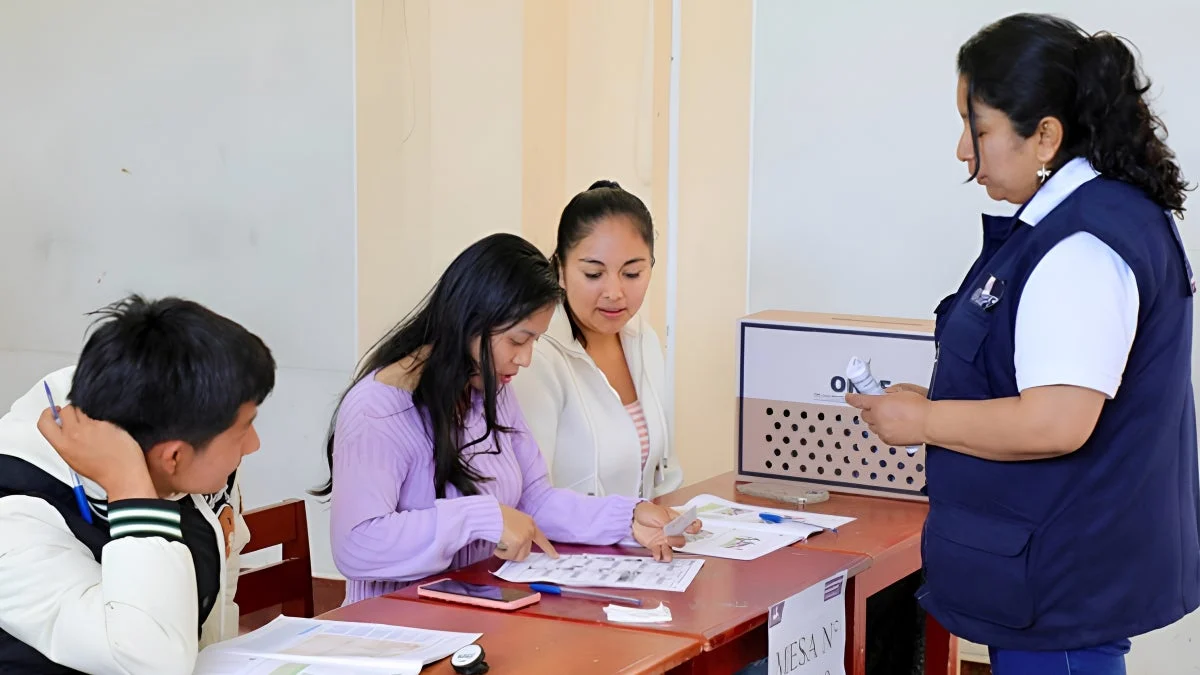
As the 2026 Regional and Municipal Elections approach, the Office of National Electoral Processes (ONPE) has officially finalized the designs for the suffrage documents that millions of Peruvians will use to cast their votes. While the democratic exercise is universal, the physical ballot you receive on October 4th will be unique, tailored specifically to your district of residence. Understanding these variations is not merely a matter of administrative curiosity; it is a fundamental step in ensuring that every vote is cast correctly and counted accurately.
Main Facts: Why Your Ballot Is Different
The core principle guiding the ONPE’s ballot design is simple: the scope of authority for which you are voting depends on your geographic location. Unlike a national presidential election, where a single ballot design is used nationwide, regional and municipal elections are inherently localized.
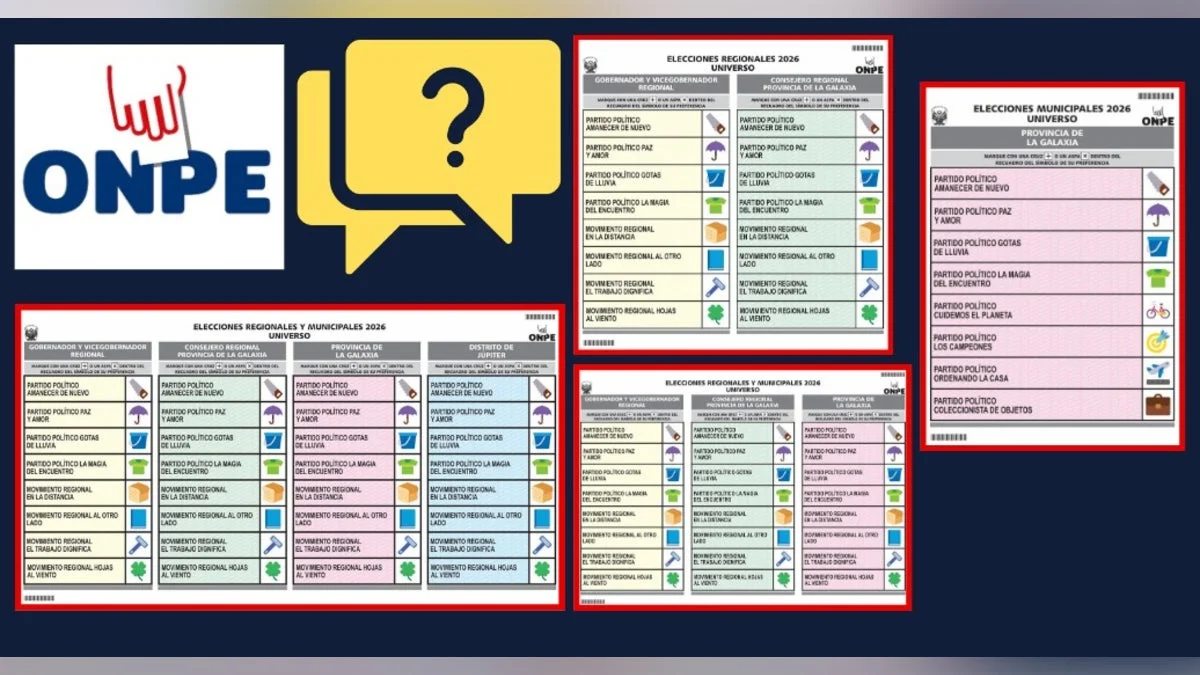
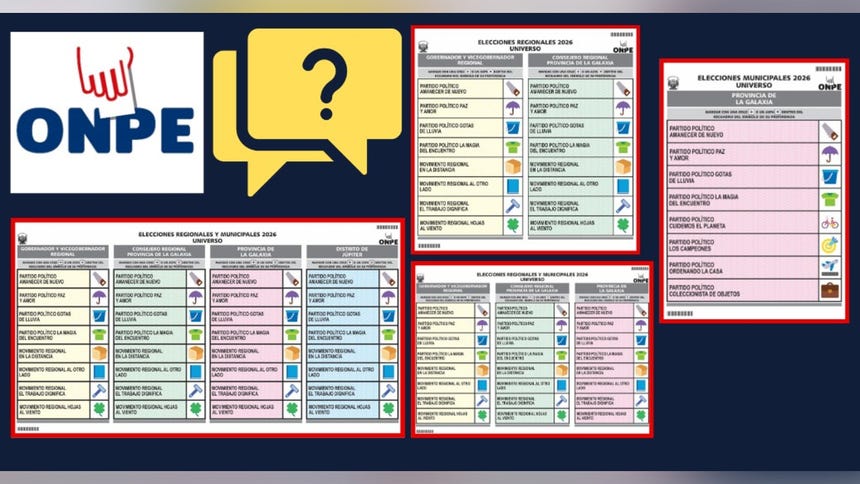
The ONPE has established six distinct types of ballots to accommodate the complex administrative divisions of Peru. The number of sections—or "columns"—on your ballot will vary based on whether you are voting for regional governors, provincial mayors, or district mayors. The logic is straightforward: not every citizen is electing the same tier of government. For instance, an elector in the district of San Sebastián (Cusco) will face a different decision-making process than someone voting in the provincial center of Cusco, and both will hold a completely different ballot than an inhabitant of Lima Metropolitana.
Chronology of the Electoral Preparation
The path to these final designs has been a rigorous, months-long process involving technical oversight, legal compliance, and logistical planning:
- Early 2026: The ONPE initiated the electoral calendar, beginning the registration of political organizations and the mapping of electoral districts.
- May 2026: Preliminary census data and geographical mapping were finalized to determine the specific political entities and candidates per region and province.
- July 2026: The ONPE launched a series of technical briefings regarding the prohibition of reelection and the movement of political candidates, setting the stage for the finalization of candidate lists.
- August 2026: The ONPE officially approved the six distinct ballot models. This phase included public displays to ensure transparency and to allow political parties to verify their symbols and candidate placement.
- September 2026 (Upcoming): The mass printing of millions of ballots begins under strict security protocols to prevent fraud and ensure that the correct ballots are dispatched to the corresponding voting centers.
- October 4, 2026: Election Day. The logistical deployment culminates with the distribution of these specific, geographically-coded ballots to the regional and provincial voting centers.
Supporting Data: The Six Ballot Variations
The ONPE has categorized the ballots into six formats to ensure that the electoral structure reflects the specific political needs of each jurisdiction:
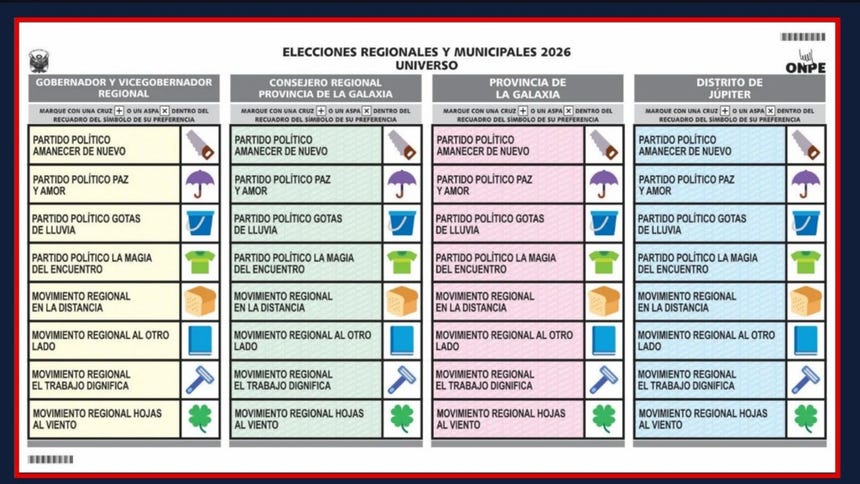
1. Districts Outside Provincial Capitals (Four Elections)
These ballots are the most comprehensive, containing four distinct sections. Citizens in these areas vote for the Regional Governor/Vice Governor, Regional Councilors, the Provincial Mayor, and the District Mayor. This ensures that every layer of local government is represented.
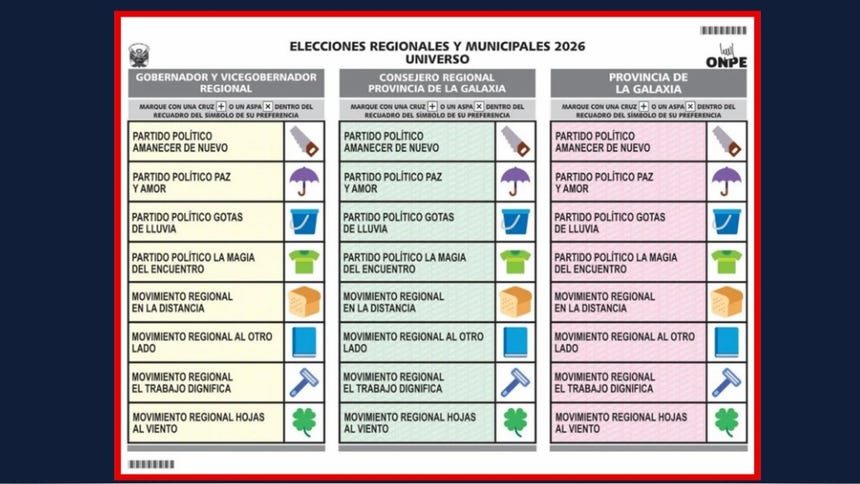
2. Provincial Capitals (Three Elections)
In districts that function as provincial capitals, the administrative structure is consolidated. Because the provincial municipality performs the duties of the district, the ballot is streamlined to three sections: Regional Governor, Regional Councilors, and the Provincial Mayor.
3. Lima Metropolitan Districts (Two Elections)
Lima occupies a unique position in the electoral landscape. Because there are no regional governments in the capital, the ballot is reduced to two sections: the Provincial Mayor of Lima and the Mayor of the respective district (e.g., Miraflores, San Juan de Lurigancho).
4. Cercado de Lima (One Election)
The Cercado de Lima represents the simplest format. As it does not possess an independent district municipality, residents receive a ballot containing only the election for the Provincial Mayor of Lima.
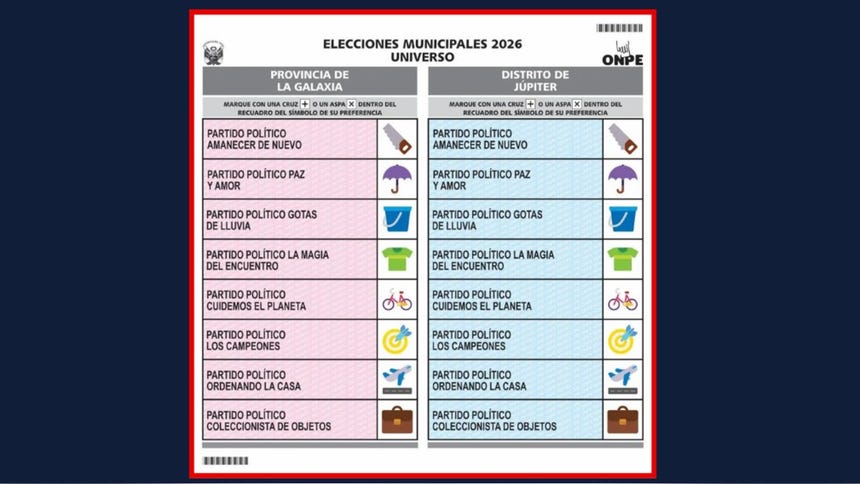
5. Special Cases: Foreigners and Regional Separation
A specific ballot is designated for voting tables where foreigners reside. Because foreign nationals are legally permitted to vote in municipal elections but are ineligible to vote in regional elections, the ONPE has created a split-ballot system. This ensures that municipal votes are counted for foreign residents while maintaining the integrity of the regional election process for Peruvian citizens.
6. The Second Regional Election Ballot
The final, sixth design is reserved for a potential "Second Round." This will only be activated in regions where no candidate for governor or vice-governor achieves at least 30% of the valid votes. This ballot will be significantly smaller, featuring only the two political organizations that advanced to the runoff.
Official Responses and Administrative Oversight
The ONPE has emphasized that these designs are the result of rigorous compliance with the Electoral Law. According to the institution, the goal of these variations is to "maximize clarity and minimize the potential for null or blank votes."
"We understand that the complexity of the ballot can be daunting," an ONPE spokesperson noted. "However, the variation is necessary to uphold the principles of decentralized governance. By providing a ballot that perfectly aligns with the voter’s residence, we are reducing the margin for error and ensuring that every voter knows exactly which authorities they are choosing."
Furthermore, the ONPE has addressed concerns regarding the "incumbency" issue—noting that despite regulations regarding term limits, many outgoing officials have attempted to shift their political focus to different levels of government. The ballot designs have been audited to ensure that these candidates are listed correctly according to their new political affiliations, providing voters with the most up-to-date information at the moment of voting.
Implications for the Electorate
The primary implication of this system is the need for voter education. The ONPE urges citizens to verify their local voting venue and, if possible, review the sample ballots available on the official ONPE website.
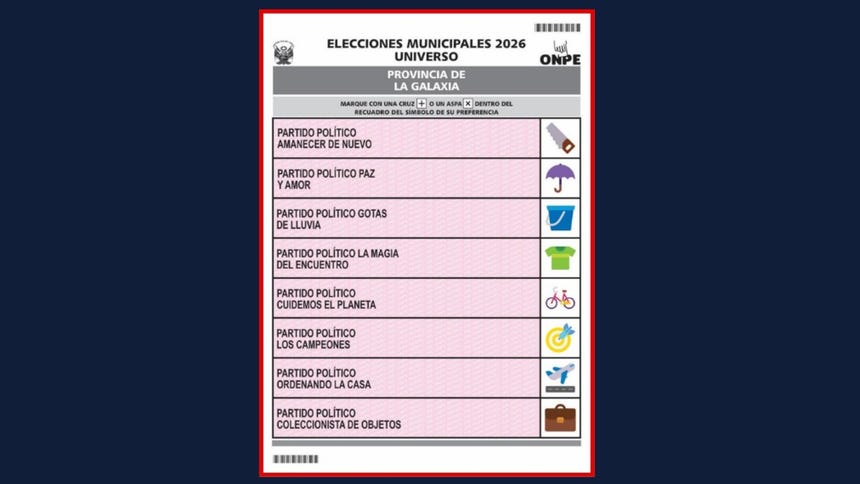
Why this matters:
- Preventing Null Votes: A voter who does not understand the structure of their ballot may accidentally leave sections blank or mark the ballot in a way that invalidates their vote.
- Democratic Representation: These ballots are designed to ensure that the voice of the smallest district is heard with the same weight as the voice of a major metropolitan center.
- Institutional Trust: By transparently publishing the designs, the ONPE aims to bolster trust in the electoral process, providing voters with a clear understanding of the tools they will use to shape their future.
As the nation looks toward October 4th, the message from electoral authorities is clear: the ballot is your voice. Whether you are voting for one, two, three, or four tiers of government, your participation is the essential engine of Peruvian democracy. The ONPE’s meticulous design of these six ballot models is not just a technicality—it is the structural foundation that ensures your vote counts exactly where it matters most: in your own community.
Final Recommendation for Voters:
Before heading to the polls, visit the official ONPE website to view the exact ballot model for your district. Familiarize yourself with the candidate lists and ensure you understand how to mark your choices to avoid nullifying your vote. Participation is a right, but informed participation is the responsibility of every citizen.