
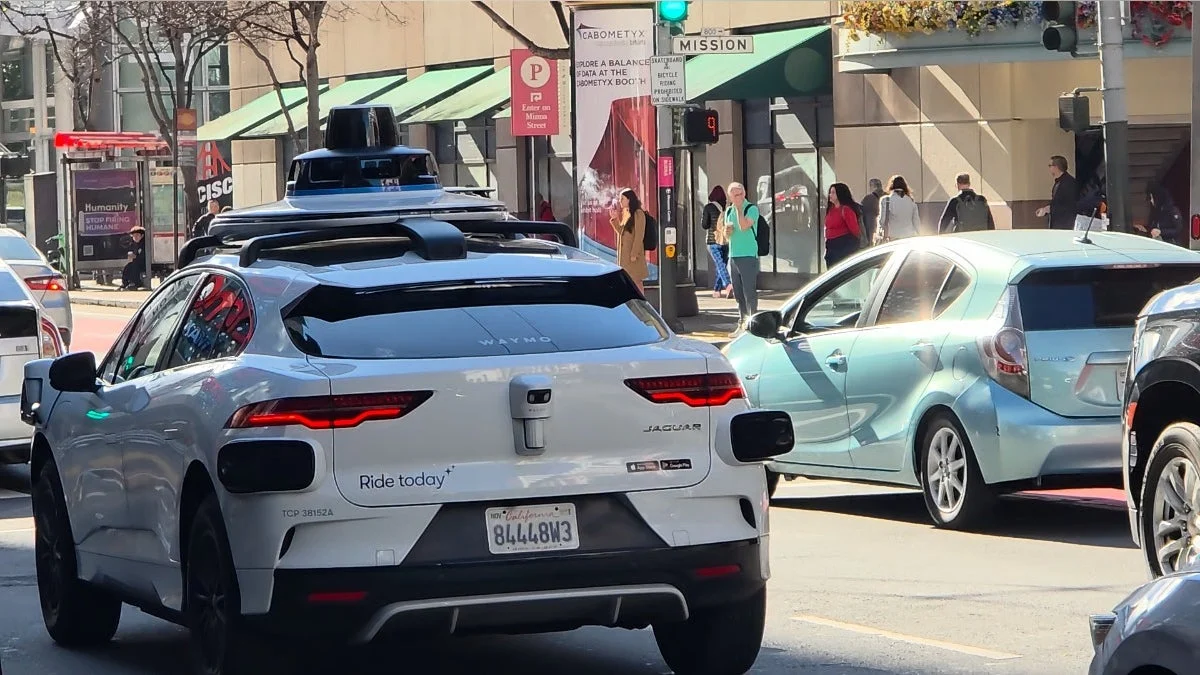
In the corridors of Silicon Valley, the discourse on urban mobility has shifted from the mere feasibility of autonomous vehicles to their role as the connective tissue of modern cities. Waymo, the autonomous driving subsidiary of Alphabet (Google), has officially unveiled "Transit Rewards," a strategic initiative that seeks to integrate its fleet of robotaxis with the existing public transportation grids of the United States. While this marks a revolutionary step toward solving the chronic “last-mile” problem in American cities, it also highlights the growing divide between the technological frontiers of the Global North and the infrastructural struggles of Latin American metropolises.
Main Facts: Integrating Autonomy with Mass Transit
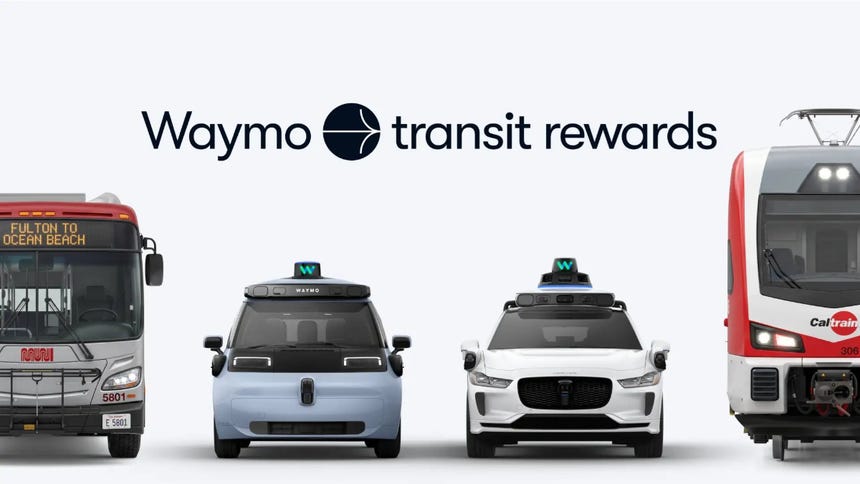
The "Transit Rewards" program represents a departure from the competitive model of ride-sharing. Instead of positioning itself as a substitute for subways, light rails, or buses, Waymo is positioning itself as a strategic partner. By enabling seamless, digital-first transfers, the company is attempting to make public transit more attractive by removing the friction often associated with reaching stations from residential or commercial hubs.
The pilot program, launching in the San Francisco Bay Area, is fully integrated into the company’s mobile application. When a user utilizes a Waymo vehicle to connect to or from a public transit hub, the system recognizes the journey, offering incentives, reduced fares, or priority booking. This symbiotic relationship aims to bolster public transit ridership while ensuring that autonomous vehicles serve a clear civic purpose rather than just adding to road congestion.
A Chronology of Innovation and Expansion
The evolution of Waymo from a research project within Google’s "X" lab to a commercial powerhouse has been marked by a deliberate, incremental approach to expansion:
- 2009–2016 (The Foundation): The inception of the Google Self-Driving Car Project, characterized by millions of miles of testing in controlled environments and on the complex streets of Mountain View, California.
- 2017–2020 (The Commercial Pivot): The formal rebranding as Waymo and the launch of the "Waymo One" service in Phoenix, Arizona, marking the first time a fully autonomous commercial ride-hailing service was made available to the general public.
- 2021–2023 (Scaling Operations): Rapid expansion into dense urban centers like San Francisco and Los Angeles. During this period, the company shifted focus toward "Ride-Hail 2.0," which prioritized partnerships with urban planning boards and transit authorities.
- 2024–2026 (The Integration Phase): The introduction of the "Transit Rewards" program. This phase marks the shift from merely providing a taxi service to functioning as an integrated utility within the municipal infrastructure.
- 2026 and Beyond (The Global Leap): The transition from a domestic U.S. operator to a multinational entity, with formal entries into the Singaporean, British, and German markets.
Supporting Data: Why the Model Works
The impetus for this program is rooted in clear behavioral data. Waymo’s internal metrics reveal a compelling trend: over 50% of current Waymo passengers are already "multimodal" users—individuals who rely on a combination of autonomous vehicles and public mass transit for their daily commutes.
To solidify this synergy, Waymo has begun securing long-term leases for exclusive parking zones at key Caltrain stations. This ensures that a vehicle is physically present to meet incoming trains, effectively creating a "human-less" shuttle service that functions with the reliability of a scheduled bus route but the convenience of a private car.
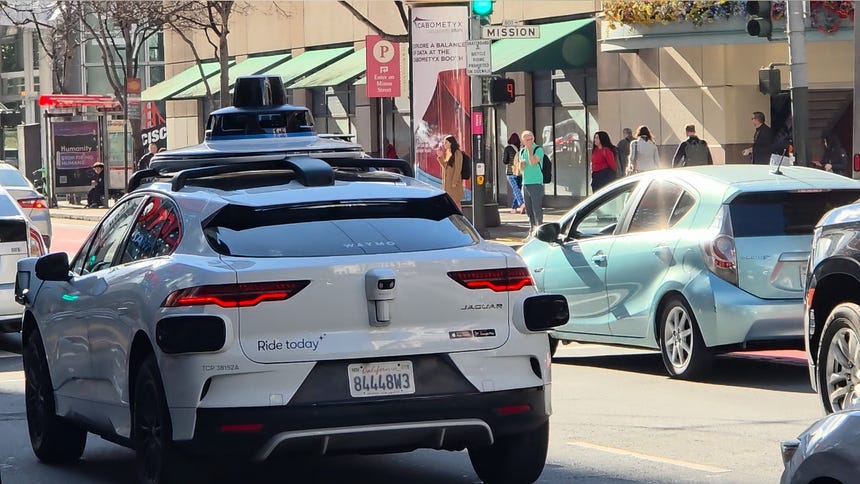
Furthermore, the operational data suggests that by focusing on the "last mile," Waymo reduces the strain on city-center parking and decreases the "deadhead" time (the time vehicles spend driving without passengers), which is the primary inefficiency in autonomous fleet management.
Official Responses and Strategic Alliances
The industry reception has been largely positive, though guarded regarding regulatory hurdles. Waymo’s leadership has emphasized that the goal is not to disrupt the transit ecosystem but to complete it.
"Our mission has never been to replace the train; it is to ensure that the train is the most convenient option for the vast majority of our citizens," stated a spokesperson for the company during the launch announcement in San Francisco.
This sentiment is backed by strategic partnerships. In Europe, where Waymo is preparing for its London and Munich launches, the company has entered into a high-level insurance partnership with Allianz. This collaboration is designed to navigate the complex regulatory frameworks of the European Union, which are significantly more stringent than those in the United States. By aligning with established institutional giants, Waymo is mitigating the risks of operational liability and public skepticism.
Implications for the Global Landscape
The ripple effects of these developments are being felt far beyond the United States. However, the contrast between the technological trajectory of the Global North and the current state of Latin American urban centers is stark.
The "Science Fiction" Gap
In cities like Lima, Bogotá, or Buenos Aires, the conversation around urban mobility remains focused on foundational challenges: the struggle to implement unified payment cards, the eradication of informal transport routes, and the optimization of bus-rapid transit (BRT) systems. For a Latin American commuter, the idea of a robotaxi acting as a "feeder" for a subway line remains a vision of the distant future.
Infrastructure as a Prerequisite
The primary lesson for developing regions is that autonomous mobility cannot exist in a vacuum. Waymo’s success in the U.S. is built upon high-definition mapping, reliable 5G connectivity, and a standardized digital payment infrastructure. For Latin American cities to eventually integrate such technologies, the path forward must be paved with:
- Digital Integration: The transition from cash-based or fragmented ticketing to a truly universal, contactless payment system.
- Data Standardization: Cities must develop open-data architectures that allow private fleets to communicate with public transit systems in real-time.
- Regulatory Preparedness: Developing the legal framework for liability in the event of accidents involving autonomous systems is a hurdle that even the most advanced nations are still navigating.
Looking Toward the Next Decade
While the sight of a Waymo vehicle navigating the chaotic intersections of the Avenida 9 de Julio may seem like a distant dream, the global expansion of these technologies creates a roadmap for the rest of the world.
The true value for the international public lies not in the immediate arrival of these cars, but in the blueprint they provide. As the world moves toward a model of "Mobility as a Service" (MaaS), the fundamental requirement is the digitization of the commuter’s experience. Latin American cities that invest today in the modernization of their transit databases and the reliability of their digital payment networks will be the first to benefit when the era of autonomous transport finally reaches their borders.
In conclusion, Waymo’s "Transit Rewards" is more than a marketing gimmick; it is an acknowledgment that the future of the city is not found in the superiority of one mode of transport over another, but in the seamless, digital-first integration of all of them. Whether this becomes a global standard or remains a luxury for the world’s most advanced cities remains the defining question of the next decade.