Introduction: The Monday Market Shift
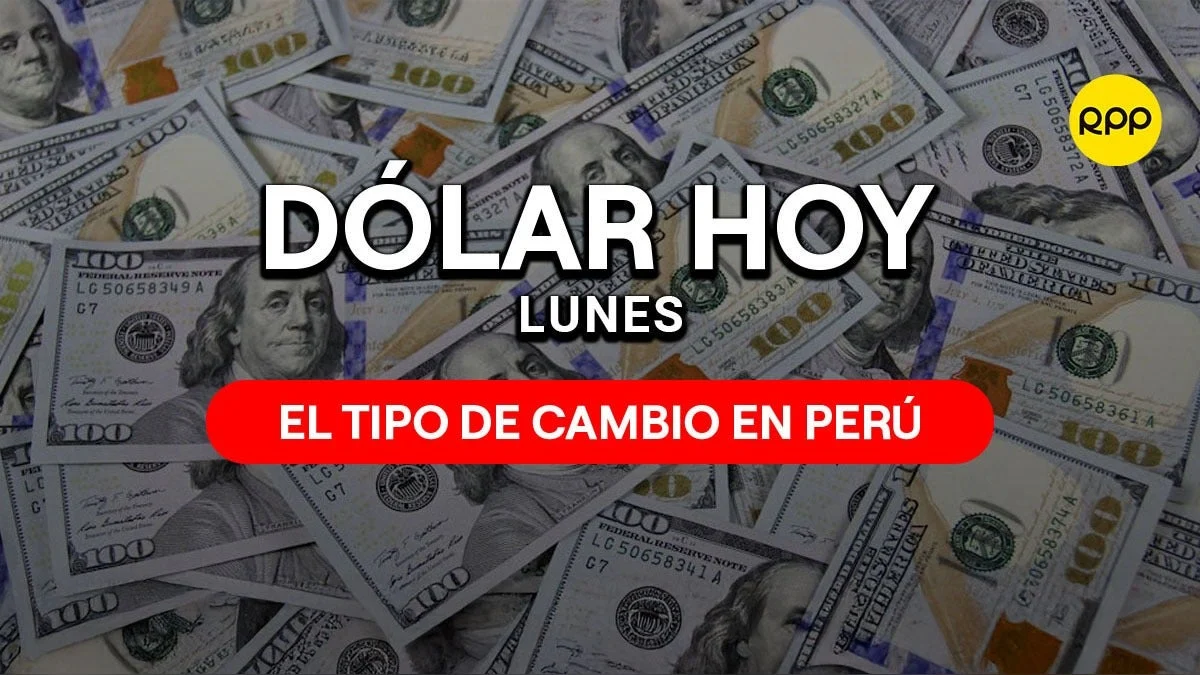
On Monday, August 31, the Peruvian financial landscape experienced a notable shift as the United States dollar closed at S/ 3.37, according to the latest data provided by the Central Reserve Bank of Peru (BCR). This figure represents a daily appreciation of 0.39% against the Peruvian sol. While a fraction of a percentage point might seem negligible to the casual observer, in the complex machinery of international finance and domestic retail, this movement carries significant weight. For the average Peruvian citizen, the rise of the dollar is not merely a number on a screen; it is a barometer for the cost of living, the affordability of imported goods, and the overall stability of household budgets.
Main Facts: Breaking Down the Numbers
The exchange rate is one of the most closely watched economic indicators in Peru. As of the close of business on August 31, the dollar’s climb to S/ 3.37 signals a strengthening of the American currency relative to the local tender.
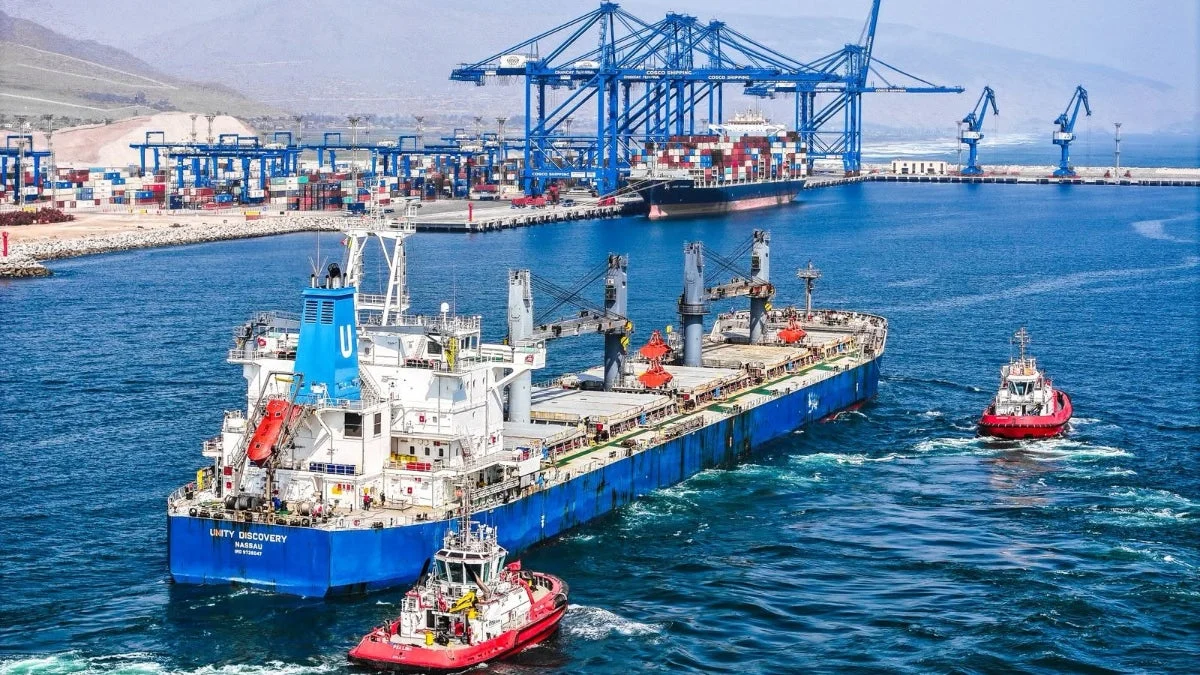
To understand why this matters, one must look at the mechanics of the exchange market. When the dollar appreciates—meaning the sol loses purchasing power against it—the immediate effect is felt in the cost of goods that are priced in dollars internationally. Because Peru operates as an open economy with significant reliance on global supply chains, the price of the dollar serves as a "pass-through" mechanism for inflation. When the sol weakens, every imported container of electronics, every shipment of wheat, and every barrel of oil becomes incrementally more expensive for domestic importers, a cost that is inevitably passed down to the end consumer.
Chronology: The Evolution of the Exchange Rate
To contextualize the events of August 31, it is necessary to view the dollar’s performance within a broader timeline. Financial markets are rarely static, and the sol-dollar parity has been subject to various pressures throughout the fiscal year.
- Early Q1: The year began with a period of relative stability, with the BCR intervening periodically to curb extreme volatility.
- Mid-Year Pressures: As global economic uncertainties began to mount—driven by shifts in Federal Reserve policies and global trade tensions—the sol faced downward pressure.
- The August 31 Snapshot: The 0.39% increase noted on this final day of August was not an isolated event but rather the culmination of intraday trading trends that saw investors shifting toward "safe-haven" assets.
- The Reaction Phase: Following the close of the market on the 31st, analysts began adjusting their quarterly forecasts, noting that if the trend persisted, the central bank might be forced to recalibrate its monetary stance to prevent speculative attacks on the currency.
Supporting Data: Why the Dollar Dominates
The dollar’s influence in Peru is not merely a product of market preference; it is structural. Despite the strength of the Peruvian sol, the U.S. dollar remains the primary unit of account for international trade and a significant portion of the nation’s financial obligations.
The Role of Financial Dollarization
A unique characteristic of the Peruvian economy is the high level of "financial dollarization." Many Peruvians hold long-term debts, such as mortgage loans and vehicle financing, denominated in U.S. dollars. When the exchange rate rises, the monthly payments for these individuals increase in local currency terms, effectively reducing their disposable income.
Import Reliance and Inflation
Peru imports a vast array of essential products. From the high-end technology required by the service sector to the agricultural inputs and processed foods that fill supermarket shelves, the "dollar price" is baked into the cost of doing business. Data consistently shows a strong correlation between the depreciation of the sol and the Consumer Price Index (CPI). When the dollar rises, the cost of imported inputs increases, leading to a rise in prices for the average consumer, a phenomenon economists call "imported inflation."
Official Responses: The Role of the Central Reserve Bank (BCR)
The Central Reserve Bank of Peru (BCR) is the primary guardian of the sol’s stability. Its mandate is to maintain inflation within a target range and ensure the stability of the financial system.
In response to the fluctuations observed on August 31, the BCR maintains a policy of "floating dirty" exchange rates. This means that while the market determines the price of the dollar, the BCR intervenes in the market by buying or selling dollars to prevent excessive volatility—not to set a fixed price, but to ensure that the transition to new levels is orderly.
Official statements from the BCR often emphasize that short-term movements are a normal function of global market shifts. The Bank monitors capital flows, international commodity prices, and the fiscal health of the nation to decide when to step in. Their goal is to provide a "shock absorber" that prevents sudden currency spikes from destabilizing the national economy.
Implications: The Impact on the Peruvian Household
The rise of the dollar is not an abstract concept for the average Peruvian; it manifests in tangible ways.
The Cost of Living
When the dollar sits at S/ 3.37, the price of imported wheat and fuel rises. Since these are primary commodities, the cost of bread and transportation services often follows suit. For a family living on a fixed budget, these incremental price increases can lead to a significant decline in real purchasing power.
Savings and Investment Decisions
For those who have diversified their savings, the rise of the dollar can be a double-edged sword. If a citizen has savings in dollars, their wealth in terms of local currency increases. However, for those saving in soles, the value of their long-term savings relative to the cost of global goods decreases. This leads to a constant tug-of-war for financial planners who must advise clients on how to hedge against currency risk.
Business Operations
For local businesses, the fluctuation creates uncertainty. An entrepreneur who imports raw materials from China or the U.S. must constantly adjust their pricing models. If the dollar stays high for an extended period, businesses may choose to reduce their import volumes, potentially leading to a shortage of certain goods or a decrease in the variety of products available in the market.
Strategic Perspectives: Navigating the Volatility
What can the average citizen or business owner do to protect themselves in an environment where the dollar is prone to upward swings?
- Debt Management: Financial advisors generally recommend that individuals earn income in the same currency as their debts. If your salary is in soles, try to avoid taking on debt in dollars to prevent exchange rate risk from ballooning your payments.
- Financial Education: Understanding the basics of the "crawling peg" or the influence of the Fed on the global economy allows individuals to make better decisions regarding when to exchange currency or when to lock in rates for major purchases.
- Hedging for Businesses: SMEs (Small and Medium Enterprises) should look into financial tools such as forward contracts, which allow them to lock in a specific exchange rate for future imports, thereby mitigating the risk of sudden price spikes.
Conclusion: The Path Ahead
The events of August 31 serve as a reminder of Peru’s integration into the global financial architecture. While the rise of the dollar to S/ 3.37 is a reflection of international market forces, its impact is deeply felt on the streets of Lima, Cusco, and beyond.
As the global economy continues to navigate uncertainties, the relationship between the sol and the dollar will remain a critical metric. By maintaining transparency, fostering a robust regulatory environment through the BCR, and encouraging financial literacy among the population, Peru can continue to navigate these fluctuations with resilience. The dollar is more than a currency; it is a global benchmark that requires vigilance, planning, and a clear understanding of its role in the prosperity of every Peruvian household.