In a move that marks the end of a multi-generational era for the gaming industry, Sony Interactive Entertainment has officially announced a sweeping strategic shift. Beginning in January 2028, the company will transition to a fully digital distribution model, ceasing the production of physical game discs for all new PlayStation titles. This monumental decision signals a definitive pivot in how the world’s most iconic console brand intends to deliver interactive entertainment to its global user base.
While the announcement has sent shockwaves through the gaming community, the company has clarified that this policy applies exclusively to new titles launching after the start of 2028. Games already available on store shelves, as well as those currently in development with scheduled physical releases prior to that date, will remain unaffected. This transition represents the culmination of a decade-long drift toward digital-first consumption, fundamentally altering the landscape of video game ownership and retail logistics.
A Chronology of a Digital Transition
To understand the weight of this decision, one must look at the evolution of the PlayStation ecosystem over the last thirty years.
The Era of Physical Media (1994–2010)
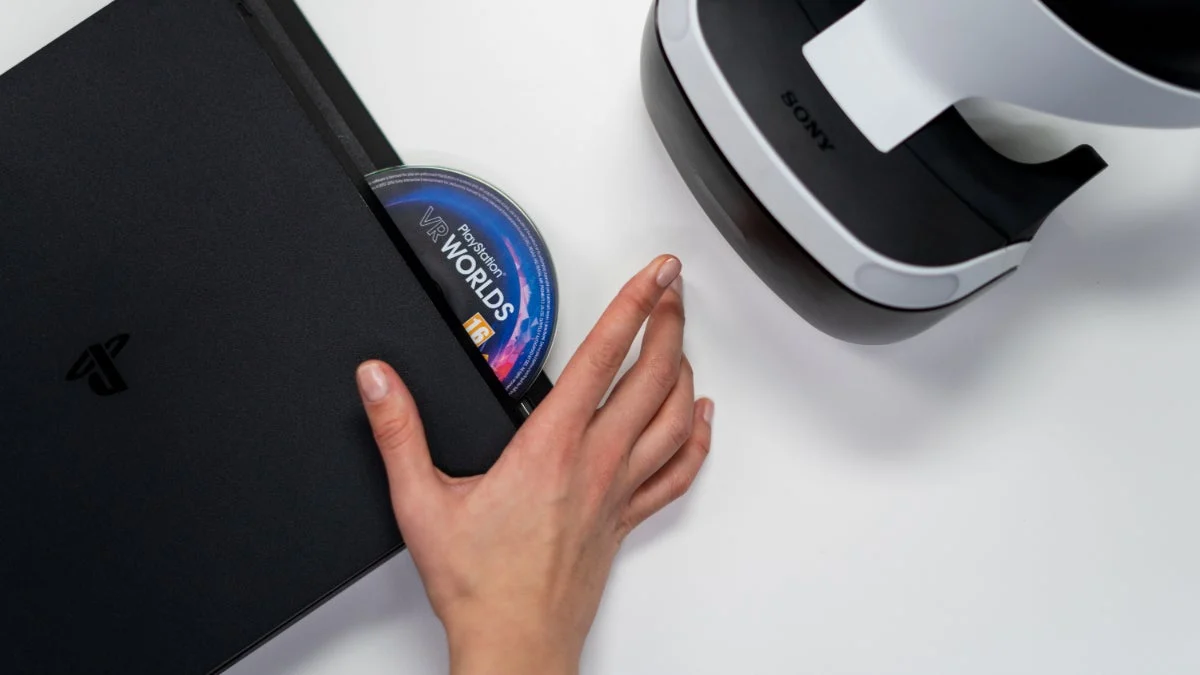
When the original PlayStation launched in 1994, it championed the CD-ROM, a format that allowed for high-fidelity audio and cinematic cutscenes that cartridges could not replicate. Throughout the PlayStation 2 and PlayStation 3 eras, the physical disc—evolving into the DVD and then the Blu-ray—was the bedrock of the industry. It offered players a tangible sense of ownership and a secondary market for trade-ins.
The Rise of Digital Infrastructure (2010–2020)
With the launch of the PlayStation 4, Sony began laying the groundwork for a digital future. The PlayStation Store evolved from a niche storefront into a primary hub for game updates, downloadable content (DLC), and eventually, full-game downloads. By the time the PlayStation 5 debuted in 2020, the industry was already witnessing a shift; the introduction of the "Digital Edition" console—which lacked a disc drive entirely—served as a market test, gauging consumer appetite for an all-digital console experience.
The Final Countdown (2024–2028)
Between now and January 2028, the industry enters a "transition period." Sony has stated that it will work closely with retailers to manage inventory levels and clear out existing physical stock. This phase is intended to be a gradual migration, allowing consumers and collectors time to adjust to the reality that the physical library of the future will be strictly virtual.
Supporting Data: Why the Shift?
The decision to move away from physical media is not merely a stylistic choice; it is a data-driven imperative. Sony’s internal metrics and global industry trends indicate that the consumer preference for digital convenience has eclipsed the desire for physical media.
The Dominance of Digital Sales
According to recent fiscal reports from major publishers, digital sales—including full-game downloads, microtransactions, and subscription services—now account for over 80% of total revenue in the gaming sector. The convenience of "day-one" pre-loading, instant access at midnight, and the ability to switch between titles without changing discs has become the standard expectation for the modern gamer.
Environmental and Logistics Factors
From a sustainability perspective, the production of physical discs involves substantial carbon footprints, including plastic casing manufacturing, shipping, and warehousing. By eliminating the need for physical media, Sony aims to align with broader corporate environmental, social, and governance (ESG) goals. Furthermore, the logistical overhead of global physical distribution—managing supply chains, regional shortages, and retail markups—presents a significant barrier to efficiency that a direct-to-consumer digital model inherently bypasses.
Official Responses and Corporate Strategy
Sony’s leadership has been transparent regarding the motivations behind this paradigm shift. In a statement released shortly after the announcement, a spokesperson for Sony Interactive Entertainment emphasized that the decision was "not made lightly," but was essential to maintain parity with the evolving consumption habits of their audience.
"We recognize that the physical disc has been a part of the PlayStation experience for three decades," the statement read. "However, our commitment to our players is to provide the most seamless, high-quality, and accessible experience possible. As the market overwhelmingly trends toward digital, we must adapt our strategy to ensure we are meeting our users where they live and play."
Market analysts suggest that this shift also provides Sony with greater control over the game ecosystem. By centralizing distribution, the company can better manage pricing strategies, combat unauthorized piracy, and strengthen the value proposition of its subscription service, PlayStation Plus, which already allows for a vast library of digital-only titles.
The Implications: What This Means for the Future
The move to an all-digital future is not without its detractors, and the implications of this policy will ripple across the gaming industry for years to come.
The Future of Game Ownership
Perhaps the most significant concern among the community is the concept of "ownership." In a physical model, a player possesses a tangible asset that can be lent, sold, or kept indefinitely. In an all-digital ecosystem, players are essentially purchasing a revocable license to access software. As seen with recent cases of games being "delisted" from digital stores due to licensing issues, the fear of losing access to purchased content is a valid concern for the gaming public. Sony will need to address how it intends to guarantee long-term access to digital libraries to maintain user trust.
The Impact on Retailers
The decision creates a precarious future for major brick-and-mortar retailers. Companies like GameStop and electronics departments in big-box retailers have long relied on physical game sales as a primary foot-traffic driver. Without the "new game" physical market, these retailers will need to pivot their business models entirely toward accessories, hardware, and potentially expanded digital gift card ecosystems, or risk obsolescence.
Preserving Gaming History
Historians and preservationists have expressed concern regarding the loss of physical media. When the servers that host digital downloads are eventually decommissioned, entire libraries of games could effectively vanish. Sony will likely face pressure to develop robust archival solutions, ensuring that their digital history is preserved for future generations, much like a library stores physical books.
The "Collector" Niche
While mass-market retail will shift to digital, there is a possibility that a boutique market for physical media will persist, similar to the resurgence of vinyl records in the music industry. Whether Sony allows for limited, collector-edition physical runs—perhaps strictly for display or as non-playable artifacts—remains to be seen.
Conclusion: A New Era of Play
The transition to a digital-only distribution model by 2028 is the final stage of a long-term transformation that has redefined the gaming industry. For Sony, it is a strategic necessity driven by the demands of a global, high-speed, and interconnected market. For players, it is a bittersweet transition that trades the nostalgia of the shelf for the convenience of the cloud.
As we look toward 2028, the gaming community is entering a period of significant change. While the disc may disappear from the box, the core experience—the act of exploring digital worlds and connecting with others—remains the heart of the PlayStation identity. The challenge for Sony in the coming years will be to ensure that this new digital landscape remains as accessible, reliable, and respectful of the player’s investment as the physical era that preceded it. The future of gaming is here, and it is entirely digital.