
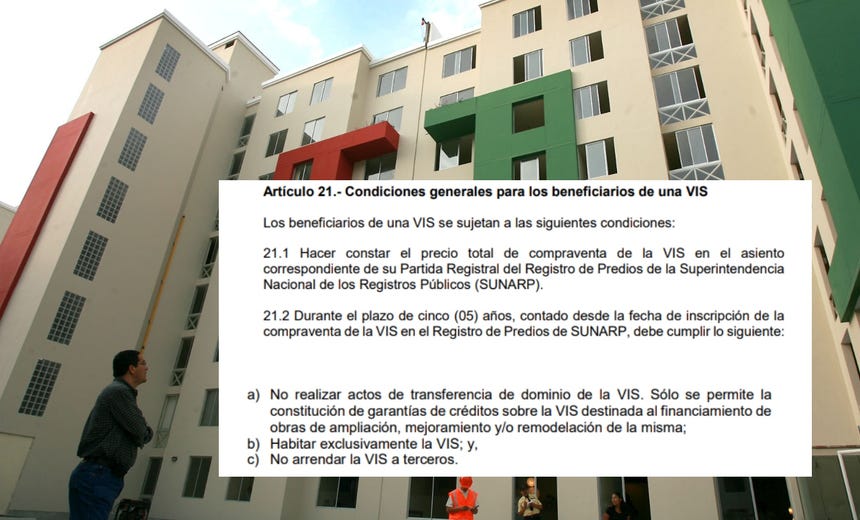
In a significant policy shift aimed at ensuring that state-funded housing reaches those who truly need it for personal shelter, the Ministry of Housing has unveiled a draft regulation for the Social Interest Housing (VIS) Law. The proposal introduces stringent conditions for beneficiaries of state subsidies, most notably a mandate that the property must be occupied by the owner as their primary residence for at least five years, effectively prohibiting the practice of using subsidized units as rental income-generating assets.
This move marks a definitive step toward tightening the oversight of the social housing sector, ensuring that public resources are exclusively directed toward resolving the housing deficit rather than subsidizing real estate investments.
The Core Mandate: Ending the "Rent-to-Profit" Model
For years, a persistent criticism of social housing programs has been the "misuse" of subsidized units. Some beneficiaries, after acquiring property through government-backed loans or direct grants, have immediately turned these units into rental properties. Under the new draft regulation, this practice would be formally outlawed.
The Ministry of Housing stipulates that recipients of these programs must occupy the inmueble as their habitual residence for a minimum period of five years. During this time, the property cannot be leased, sublet, or used for commercial purposes.

The Consequences of Non-Compliance
The proposed regulation does not merely suggest a moral code; it introduces robust punitive measures for those who attempt to bypass the rules. Failure to reside in the property or illicitly leasing it will trigger severe consequences:
- Loss of Future Benefits: The beneficiary will be permanently disqualified from accessing any future state housing programs.
- Financial Penalties: The recipient will be required to return the full amount of the subsidy received, adjusted for legal interest rates calculated from the date of the original disbursement.
- Revocation of Financial Perks: Any interest rate subsidies or preferential conditions linked to the state-backed mortgage will be immediately terminated.
Chronology of Reform: From Promotion to Regulation
The trajectory of Peru’s social housing policy has evolved rapidly over the last decade. Historically, the focus was centered on the "mass production" of units to address the staggering housing gap. However, as the market matured, the Ministry identified significant gaps in how these properties were being utilized post-purchase.
- Initial Phase (2015-2020): Government initiatives focused on expanding access to credit through the Fondo MiVivienda. At this stage, restrictions on property use were minimal, focusing primarily on income caps for applicants.
- The Regulatory Gap (2021-2023): While laws existed preventing the immediate sale of subsidized homes, there were no clear, enforceable rules regarding the rental of these properties. This legal ambiguity allowed a "gray market" of social housing rentals to flourish.
- The Current Proposal (2026): The Ministry of Housing has now released the comprehensive draft regulation that finally addresses these loopholes, integrating stricter oversight with the creation of the Registro Nacional de Vivienda (RENAVI).
Supporting Data and Technical Parameters
The draft regulation introduces more than just residency requirements; it establishes a new technical framework for what constitutes a "Social Interest Housing" project.
The Birth of RENAVI
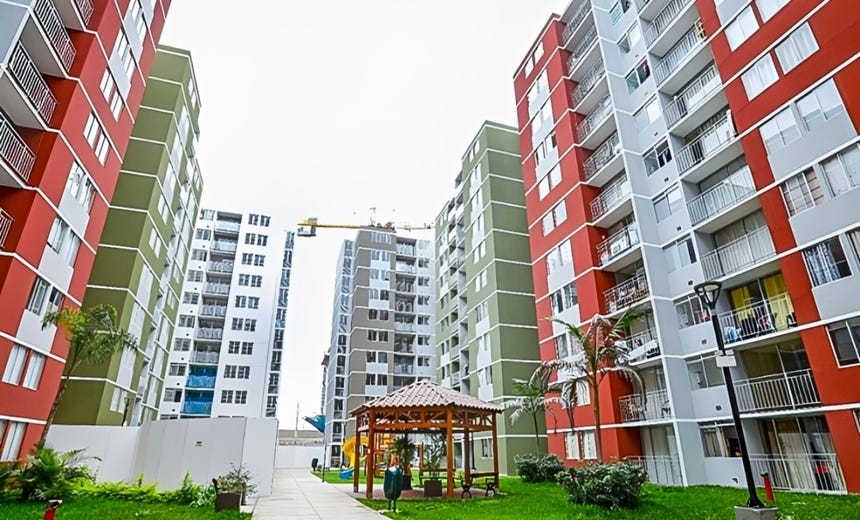
A central pillar of the new regulation is the creation of the National Housing Registry (RENAVI). This digital registry will serve as the single source of truth for all social housing projects. Any developer seeking to participate in state-sponsored programs must have their project officially enrolled in this registry. This serves as a gatekeeping mechanism to ensure that only projects meeting the Ministry’s updated quality and accessibility standards receive state funding.
Technical Standards: Size Matters
The regulation also clarifies the physical requirements for units to qualify as social interest housing:
- Standard Size: The minimum area for a housing unit is set at 35 square meters.
- Exceptional Circumstances: In specific urban planning contexts where space is limited or density is required, units may be as small as 25 square meters, provided they meet rigorous habitability, lighting, and safety certifications.
By setting these parameters, the government intends to prevent the construction of "micro-apartments" that might be technically affordable but fail to provide a dignified quality of life for families.
Official Rationale: Public Interest Over Private Gain
The Ministry of Housing has been clear in its messaging: state funds are meant to solve the housing deficit, not to provide capital for the private rental market. In a recent statement, officials emphasized that the social objective of the policy is to grant "the right to a home," which is fundamentally different from providing a "financial asset for profit."
By closing the loophole that allowed renting, the government expects to see an increase in the number of units actually occupied by the intended demographic—typically low-to-middle-income families who have struggled to find a secure place to live.
Broader Implications for the Real Estate Sector
The introduction of these rules will likely have a ripple effect across the construction and real estate sectors.
1. Impact on Developers
Developers who previously thrived by marketing social housing as "ideal investment properties" will need to pivot their sales strategies. Marketing will now have to focus on end-users—families looking for a long-term home—rather than small-scale real estate investors.
2. Market Stabilization
While some argue that limiting the "investor" market could slightly dampen demand for new social housing projects, others believe it will stabilize the market. By ensuring that these homes remain occupied by their owners, the government is essentially creating more "stable" communities, which in turn improves the long-term value and maintenance of these housing complexes.
3. Increased Supervision
The draft regulation introduces a robust supervisory regime. The Ministry is planning to coordinate with municipal authorities to conduct audits and spot-checks on property occupancy. This creates a new layer of administrative work but is deemed necessary to prevent the systemic abuse of the subsidy system.

Conclusion: A New Era for Social Housing
The proposed regulations represent a mature, albeit stricter, phase in the state’s approach to housing. By transitioning from a model of "subsidized acquisition" to one of "subsidized residency," the government is attempting to ensure that the social impact of every tax-funded Sol is maximized.
While the five-year residency requirement and the threat of repayment will undoubtedly be debated by industry stakeholders and potential buyers, the Ministry’s objective is clear: to prioritize the human right to a stable home over the speculative nature of the property market. As the draft enters the public consultation phase, the ultimate success of these measures will depend on the government’s ability to enforce these rules effectively through the new RENAVI system and the promised, rigorous audit processes.
For thousands of families waiting for their chance to secure a home, these new rules may provide the long-awaited assurance that the housing supply will be reserved for those who need it most.