Executive Summary: Prioritizing Proactive Environmental Management
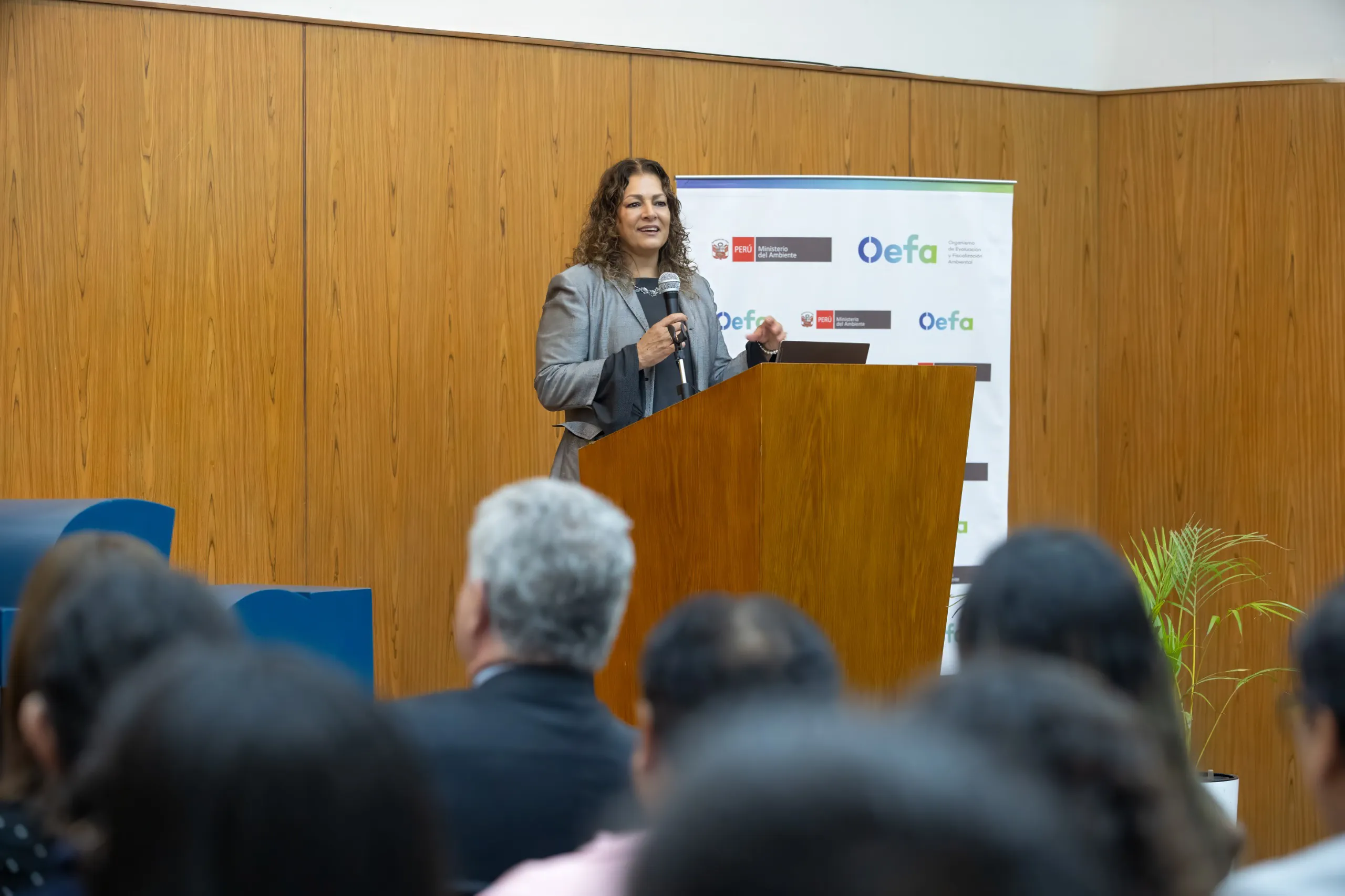
In an era where sustainable development is no longer optional but a fundamental pillar of the extractive industries, the Organismo de Evaluación y Fiscalización Ambiental (OEFA), an agency attached to Peru’s Ministry of the Environment, has taken a decisive step to fortify the sector’s regulatory adherence. By hosting the specialized conference titled "Fiscalizable Environmental Obligations of Mining Exploration Units," the OEFA has reinforced its role not merely as an oversight body, but as a facilitator of corporate compliance.
The event, which brought together 31 representatives from key mining exploration units, marks a strategic shift toward a preventive rather than a purely punitive regulatory model. By clarifying the complex web of environmental obligations, the OEFA aims to minimize ecological risks, prevent legal contingencies, and ensure that the foundational stages of mining—exploration—are conducted with the highest standards of environmental integrity.
The Core Mandate: Setting the Stage for Sustainable Exploration
The importance of this initiative cannot be overstated. Mining exploration serves as the precursor to full-scale operations, yet it is often the phase where environmental management plans are tested for the first time. If regulatory compliance is neglected at this stage, the risks of long-term environmental degradation—and the associated legal and reputational costs—grow exponentially.
Inaugural Insights from OEFA Leadership
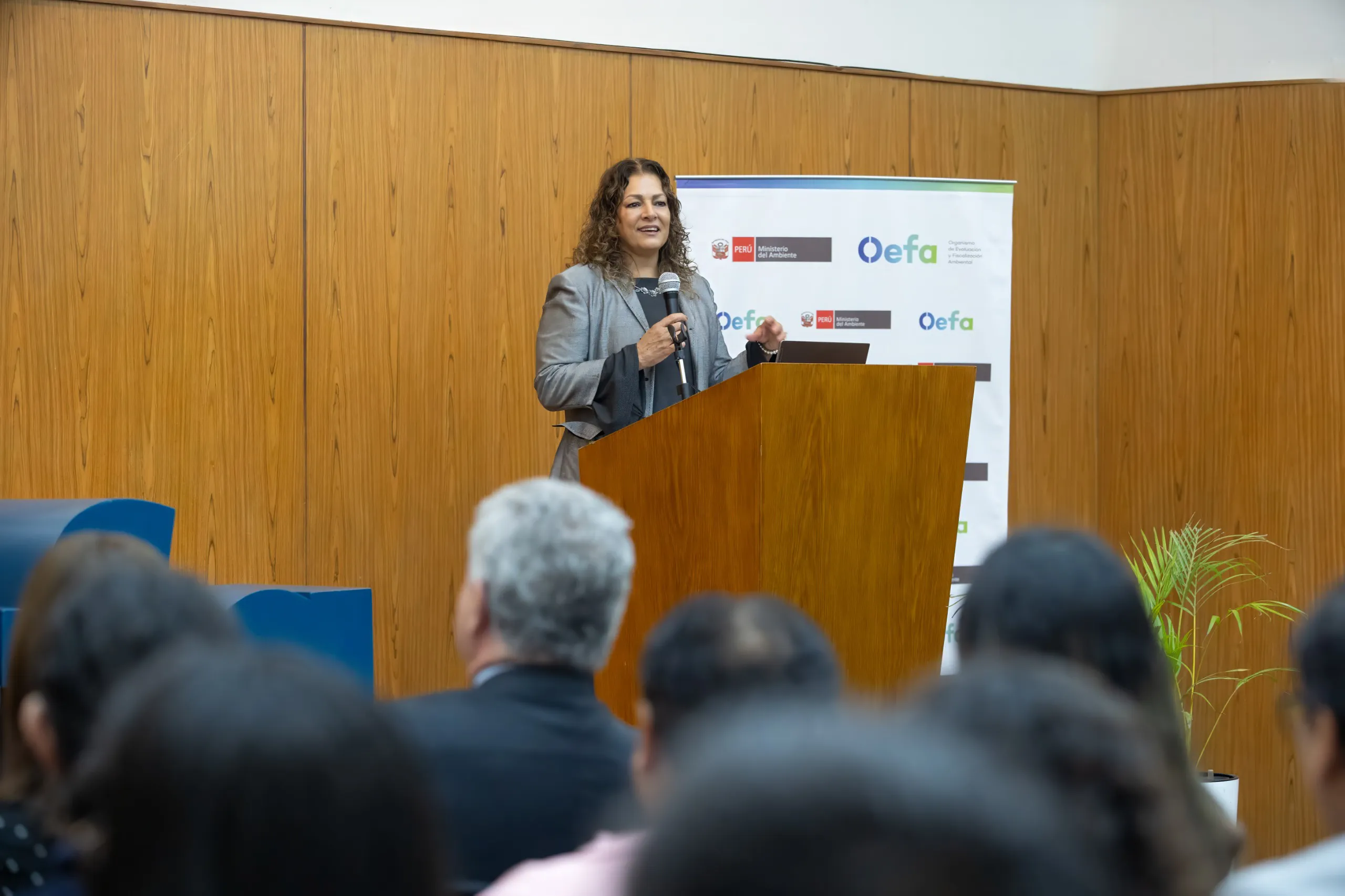
During the opening session, Joanna Fischer, President of the OEFA, set a clear tone for the proceedings. Emphasizing the agency’s commitment to transparency, Fischer remarked: "This session is invaluable because it provides clear, practical information that empowers companies to understand and meet their environmental obligations effectively."
Fischer’s address underscored a philosophy of "compliance by design." Rather than waiting for violations to occur, the OEFA is actively disseminating knowledge to ensure that companies have the necessary technical toolkit to operate within the law from day one.
Chronology of Regulatory Engagement
The conference was meticulously structured to provide a comprehensive roadmap of the OEFA’s supervisory mechanisms. The agenda followed a logical progression, moving from foundational regulatory concepts to the intricacies of enforcement.
Phase 1: The Regulatory Framework
The session began with an in-depth exploration of the OEFA’s supervisory regulations. Specialists provided a detailed breakdown of the legal architecture that governs mining exploration. This included a review of the environmental impact statements (EIA) and the specific mitigation commitments that exploration units must uphold.
Phase 2: The Anatomy of an OEFA Supervision
Participants were walked through the lifecycle of a typical supervision process. This section was critical for demystifying the inspection phase. The specialists outlined:
- Pre-inspection planning: How the OEFA identifies units for supervision based on risk-based metrics.
- Field Operations: What occurs during an on-site visit, including sampling methodologies and data collection.
- Post-inspection reporting: How the findings are compiled into technical reports that determine whether a unit is in compliance.
Phase 3: Enforcement and Corrective Measures
The most anticipated part of the discussion focused on the "teeth" of the regulation. Specialists detailed the escalation of enforcement actions:
- Administrative Measures: Early intervention strategies to stop potential damage.
- Analysis of Evidence: How technical evidence is weighed during legal proceedings.
- Coercive Fines: A transparent look at the criteria used for calculating fines, emphasizing that these measures are intended to restore order and incentivize corrective action rather than solely punish.
Supporting Data: Why Exploration Matters
While full-scale mining operations often receive the most media attention, the exploration phase is arguably more vulnerable to oversight gaps. The 31 participants represented a diverse cross-section of the sector, signaling a widespread recognition among mining leaders that environmental compliance is a prerequisite for "social license to operate."
Mitigating Risks Through Early Intervention
The OEFA’s strategy is rooted in risk reduction. By focusing on the exploration phase, the agency aims to prevent:
- Soil and Water Contamination: Ensuring that drilling fluids, fuel storage, and waste management adhere to strict protocols.
- Biodiversity Loss: Protecting sensitive ecosystems that might be encroached upon during initial site investigations.
- Legal Contingencies: Reducing the likelihood of administrative procedures that can halt operations, causing significant financial loss to investors and mining firms alike.
Official Responses and Strategic Implications
The OEFA operates as the governing body of the National System of Environmental Evaluation and Fiscalization (SINEFA). This position grants it the authority to harmonize environmental standards across the country.
The Shift Toward Technical Assistance
The conference represents a broader evolution in the OEFA’s approach. By moving beyond traditional "policing," the agency is positioning itself as a technical partner to the mining industry. This shift is expected to have several long-term implications:
- Standardization of Best Practices: By providing uniform guidance, the OEFA is helping to create a level playing field where all companies, regardless of size, understand what is expected of them.
- Improved Investor Confidence: Investors are increasingly wary of "Environmental, Social, and Governance" (ESG) risks. Demonstrable compliance with the OEFA’s rigorous standards acts as a stamp of approval that can attract sustainable capital.
- Reduced Regulatory Friction: When companies clearly understand their obligations, the likelihood of disputes decreases, leading to a more efficient regulatory environment for both the state and the private sector.
Looking Forward: A Commitment to Continuous Improvement
The OEFA’s efforts do not end with a single conference. The agency has committed to ongoing technical assistance programs designed to keep stakeholders informed of changes in environmental law and technological advancements in monitoring.
The Role of Technology in Modern Supervision
As the mining sector integrates more digital tools—such as remote sensing, drone monitoring, and real-time water quality sensors—the OEFA is also adapting its supervisory techniques. The conference touched upon how digital data is becoming a primary component of evidence, allowing for faster and more accurate environmental assessments.

Final Reflections: The Path to Sustainable Mining
The collaboration between the OEFA and the mining sector is a vital component of Peru’s economic strategy. As the country looks to expand its mining output to meet the global demand for minerals required in the energy transition, the environmental safeguards overseen by the OEFA will become increasingly critical.
By fostering an environment of open communication, the OEFA is ensuring that the pursuit of mineral wealth does not come at the expense of Peru’s natural heritage. The success of this conference—measured by the active participation of the 31 mining units—suggests that the industry is ready to embrace this challenge. Through continued dialogue, rigorous supervision, and a commitment to technical excellence, the OEFA is successfully navigating the delicate balance between promoting economic development and upholding the fundamental right to a healthy environment.
In conclusion, the OEFA’s recent initiative serves as a blueprint for other regulatory bodies in the region. By empowering companies with the knowledge to comply, the agency is not just enforcing rules; it is building a culture of responsibility that will define the future of sustainable mining in Peru for years to come.