In a decisive move to fortify the Peruvian economy against a converging set of global and domestic pressures, the administration of President Keiko Fujimori has announced a comprehensive fiscal intervention package. Valued at S/ 18 billion, the strategy is designed to mitigate the anticipated impacts of the "El Niño" climate phenomenon, the volatility of global oil prices triggered by geopolitical instability in the Middle East, and the restrictive pressure of high international interest rates.
Minister of Economy and Finance, Elmer Cuba, characterized the initiative as a "Fiscal Policy 2.0," emphasizing that the measures are highly targeted, temporary, and structured to prevent a recessionary slide. By leveraging a stable macroeconomic framework, the government aims to ensure that 2027 becomes a year of growth rather than stagnation.
Main Facts: The Four Pillars of the Stimulus
The government’s plan is segmented into four primary pillars, each addressing a specific vulnerability within the national economy.
1. Direct Support for Vulnerable Households
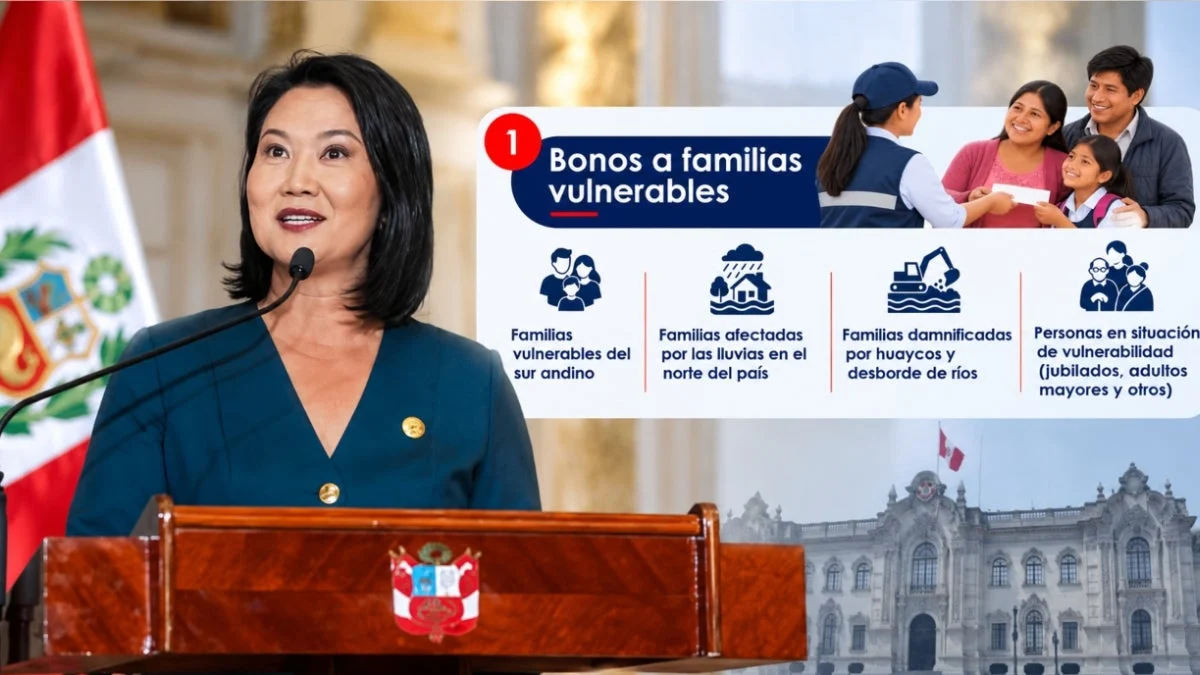
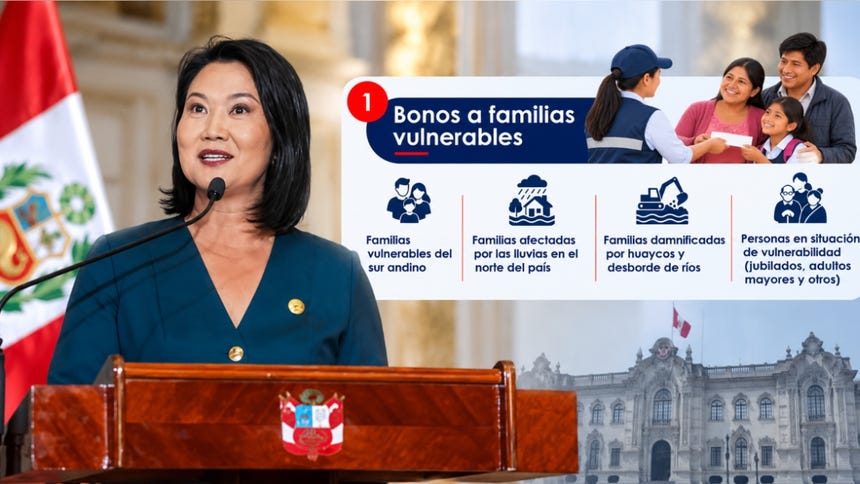
With an allocation of S/ 2.5 billion, this pillar focuses on social safety nets. The government plans to roll out temporary subsidies for families struggling with the rising cost of living and the unpredictable consequences of climate change. Potential beneficiaries include rural families in the southern Andean region—who face the threat of losing livestock and crops—as well as households in the north exposed to heavy rainfall and flooding. Crucially, the plan also covers vulnerable groups such as pensioners from the ONP system. These bonuses are projected to span three to five months, providing a buffer against immediate inflationary shocks.
2. Maintenance and Immediate Infrastructure Preservation
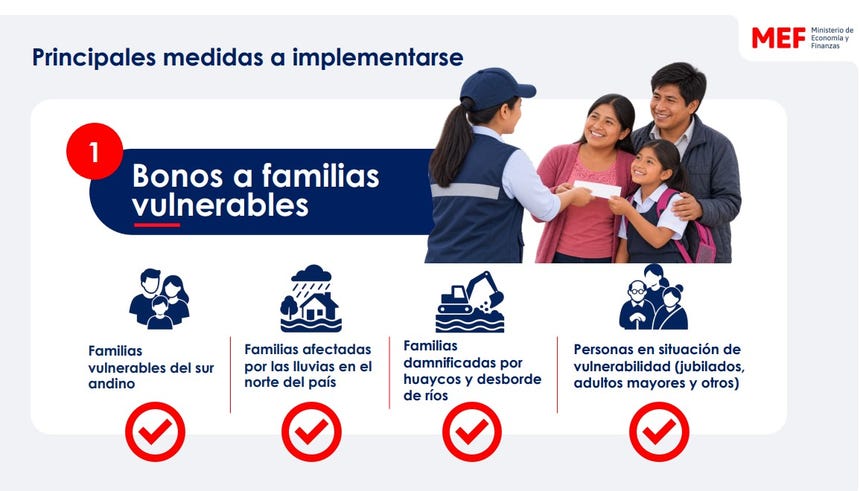
The government has earmarked S/ 2 billion for the urgent maintenance of public infrastructure. This includes repairs and upkeep for schools, healthcare centers, police stations, and critical road networks. Beyond preserving state assets, this measure is designed to serve as a job-creation engine, stimulating local economies through labor-intensive maintenance contracts.
3. Infrastructure Development and Completion of Paralyzed Projects
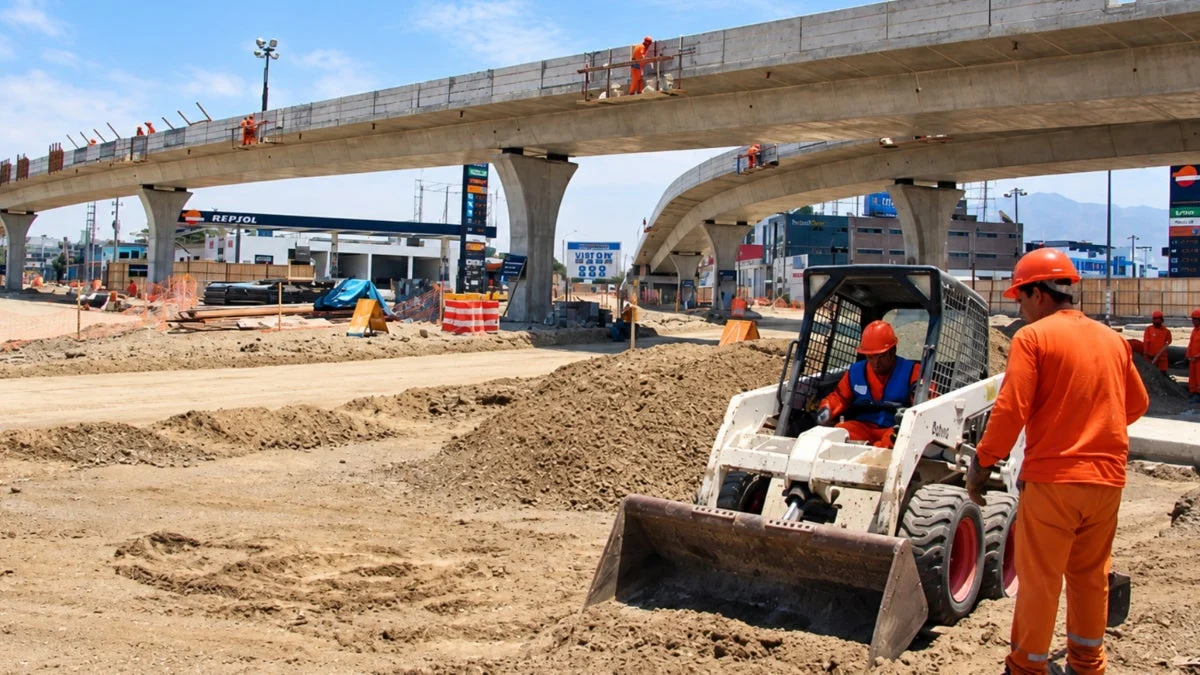
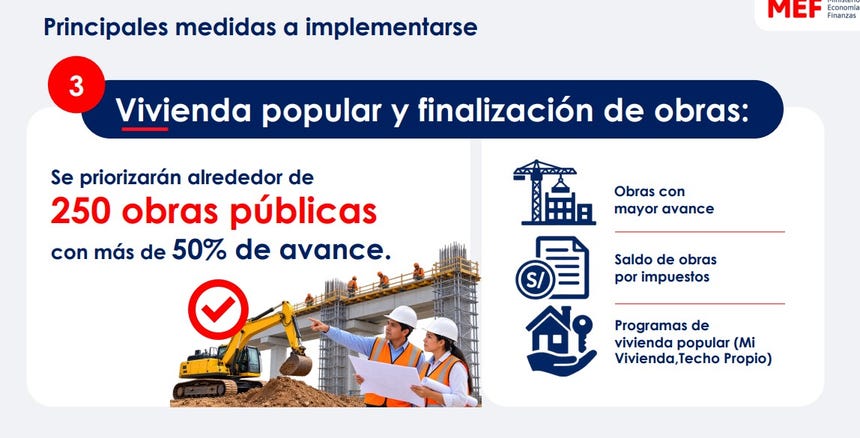
The largest share of the package—S/ 13 billion—is dedicated to the physical transformation of the country. This includes S/ 6 billion specifically for the education sector and S/ 7 billion focused on the completion of stalled public works. Minister Cuba highlighted that the Ministry of Economy and Finance (MEF) has identified 250 projects currently at over 50% completion, which will be prioritized for rapid finalization. The government also intends to utilize the "Works for Taxes" (Obras por Impuestos) mechanism to accelerate these developments and bolster social housing programs.
4. Liquidity and Tax Relief for the Productive Sector
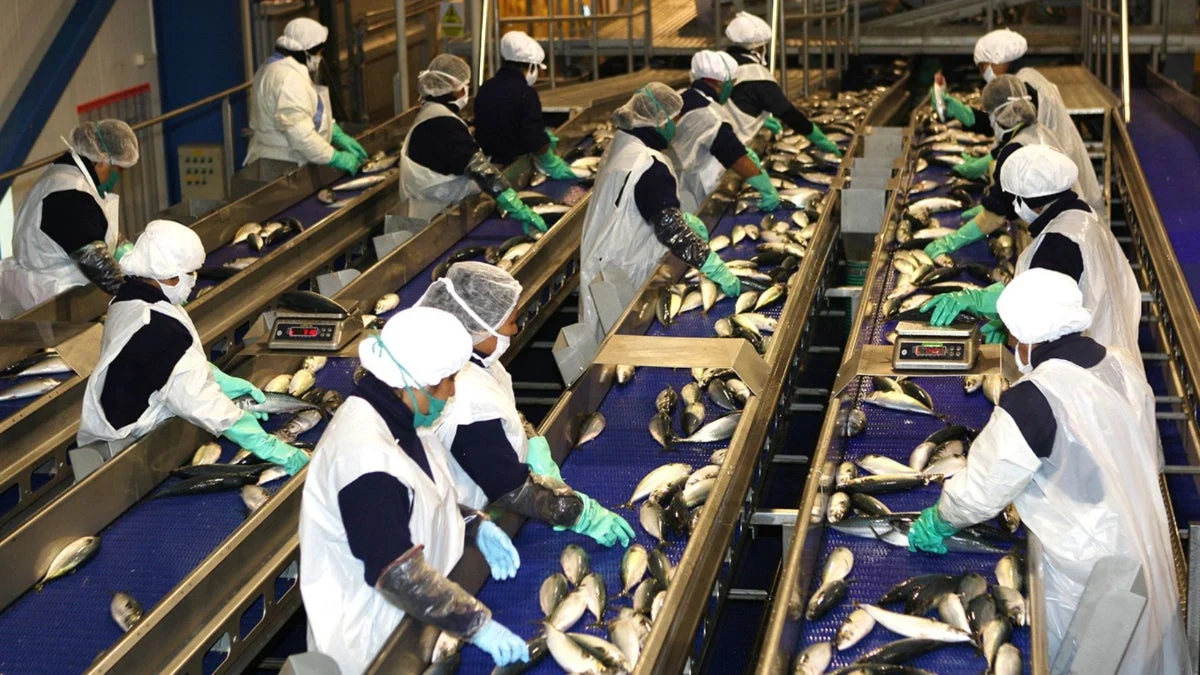
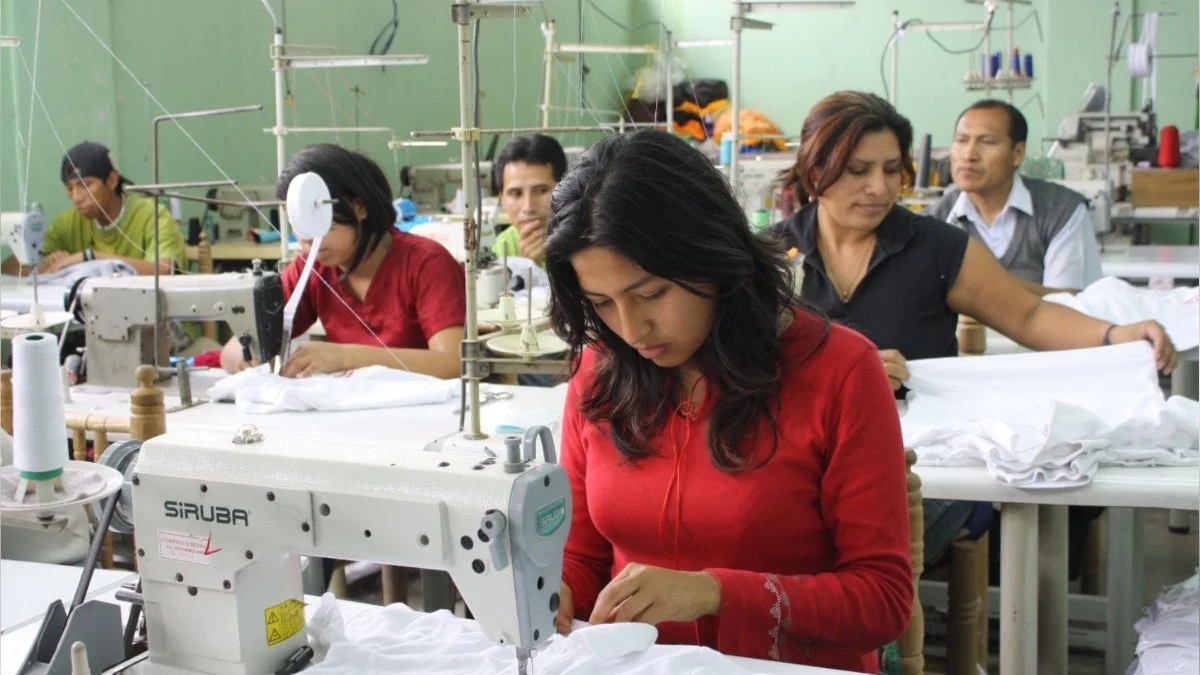
To prevent the collapse of small and medium-sized enterprises (SMEs), the government is implementing a series of financial relief measures. This includes the postponement of income tax advances, the release of locked-up funds in tax deduction accounts, and the expansion of credit guarantees through the "Fondo Crecer." These measures are specifically aimed at supporting sectors currently facing severe liquidity constraints, such as the textile and fishing industries. Additionally, S/ 500 million has been set aside for fuel subsidies to keep logistics and transportation costs manageable.
Chronology of Economic Challenges
The necessity for this stimulus arises from a sequence of events that have systematically tightened the fiscal environment in Peru:
- Early 2026: Projections of a "Mega-Niño" climate event begin to surface, raising concerns about agricultural output and infrastructure stability in northern Peru.
- Mid-2026: Global geopolitical tensions escalate in the Middle East, causing significant volatility and upward pressure on crude oil prices, impacting domestic transport and production costs.
- Third Quarter 2026: Continued tightening of monetary policies by central banks globally results in higher international interest rates, increasing the cost of capital for emerging markets like Peru.
- October 2026: President Fujimori and Minister Cuba present the "Fiscal Policy 2.0" package to the nation, signaling a transition from post-pandemic recovery to proactive risk management.
Supporting Data: Fiscal Space and Economic Resilience
Despite the severity of the "three winds" (climate, oil, and rates) identified by the administration, the Ministry of Economy and Finance insists that Peru remains in a strong position to manage this debt.
Minister Cuba provided a transparent overview of the country’s current fiscal health:
- Fiscal Deficit: Currently standing at 1.6% of the Gross Domestic Product (GDP), providing enough breathing room to deploy the S/ 18 billion without compromising long-term sustainability.
- Public Debt: Held at 30% of GDP, which is among the lowest and most stable in the Latin American region.
- Targeted Growth: The overarching goal of the stimulus is to ensure that the 2027 GDP growth rate exceeds that of 2026, creating a buffer against global recessionary trends.
The government argues that this is not a traditional stimulus meant to inflate consumption, but a strategic deployment of capital intended to maintain the operational capacity of the country during a period of global uncertainty.
Official Responses and Political Narrative
The presentation of this package marks a pivotal moment for the Fujimori administration, which seeks to distinguish its governance through technical efficiency and rapid response.
President Keiko Fujimori’s Stance
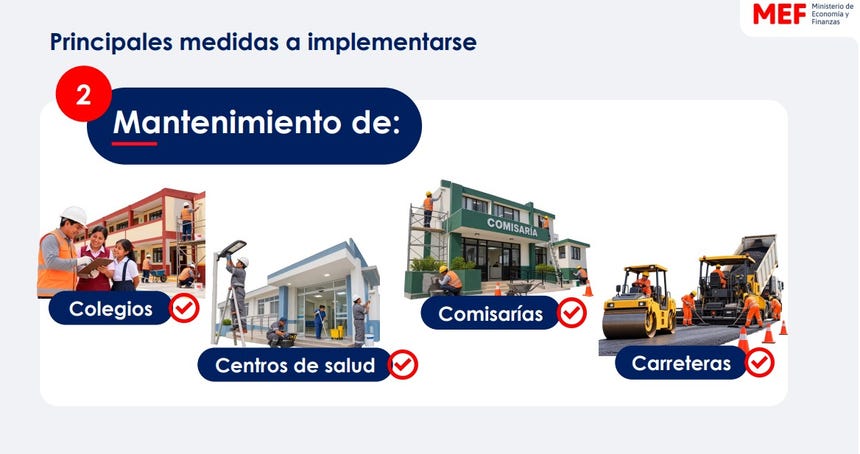
In her address to the nation, President Fujimori was unequivocal regarding the scale of the challenge: "While it is true that we are facing a ‘Mega-Niño,’ the state’s response is stronger than the phenomenon itself. This is a historic, robust, and necessary intervention." Her narrative frames the government as a shield against external shocks, emphasizing that the state is not merely observing the crisis, but actively managing it.
The Perspective of the Ministry of Economy
Minister Elmer Cuba underscored the "counter-cyclical" nature of the plan. By focusing on specific projects and providing liquidity to businesses, the government aims to prevent the "vicious cycle" of layoffs and reduced investment. Cuba noted that the technical team spent months identifying the specific projects and sectors that would yield the highest multiplier effect for every sol invested.
Implications for the Future
The implementation of this S/ 18 billion package carries profound implications for Peru’s socio-economic landscape through 2027.
1. Social Stability
By providing targeted bonuses to vulnerable families and pensioners, the government is attempting to preempt social unrest that often follows spikes in food and fuel prices. This move is politically strategic, ensuring that the most disenfranchised populations are not left behind during the economic slowdown.
2. Infrastructure and Employment
The focus on "paralyzed projects" addresses a long-standing issue in Peru: the wastage of public resources in incomplete, abandoned, or stalled infrastructure. By channeling funds to projects that are already halfway finished, the government expects to see visible results in the short term, which will provide a psychological boost to the private sector and help restore business confidence.
3. Sectoral Resilience
The specific relief for the textile and fishing industries is a recognition that these sectors are highly sensitive to global demand and operational costs. By alleviating the liquidity crunch, the government is trying to prevent the permanent closure of businesses that are otherwise viable but currently squeezed by external macro-conditions.
4. Long-Term Risks
While the administration expresses confidence in its fiscal space, independent economists are expected to monitor the inflation rate closely. Large-scale government spending, if not managed with absolute precision, can sometimes exacerbate inflationary pressures. The success of this policy will depend heavily on the speed of execution—a traditional weakness of the Peruvian bureaucracy—and the transparency with which the funds are allocated to ensure they do not fall victim to the corruption or mismanagement that has plagued previous public works.
In conclusion, the government’s "Fiscal Policy 2.0" is a bold, multi-front campaign to protect the Peruvian economy. Whether it succeeds in shielding the country from the anticipated global and climate-related storms will depend on the effective coordination between the MEF, regional authorities, and the private sector as they work to translate these billions of soles into tangible, functional results before the peak of the next fiscal cycle.