A groundbreaking program spearheaded by the Ministry of Environment (Minam) is fostering vital dialogue and knowledge exchange, aiming to accelerate the adoption of sustainable urban transportation solutions across Peru. The "Program of Successful Experiences in Electromobility Adoption in Peru" marks a significant step in the nation’s commitment to reducing air pollution and achieving its climate change objectives.
The Peruvian Ministry of Environment (Minam), through its GEF ID 10286 Emob Peru project, has officially launched a pivotal initiative designed to champion cleaner transportation alternatives. The inaugural session of the "Program of Successful Experiences in Electromobility Adoption in Peru" convened stakeholders from across various sectors, underscoring a unified commitment to advancing sustainable urban public transport and mitigating the detrimental effects of vehicular emissions. This program represents a strategic effort to learn from and replicate successful implementations of electric mobility, paving the way for a more environmentally conscious future for Peruvian cities.
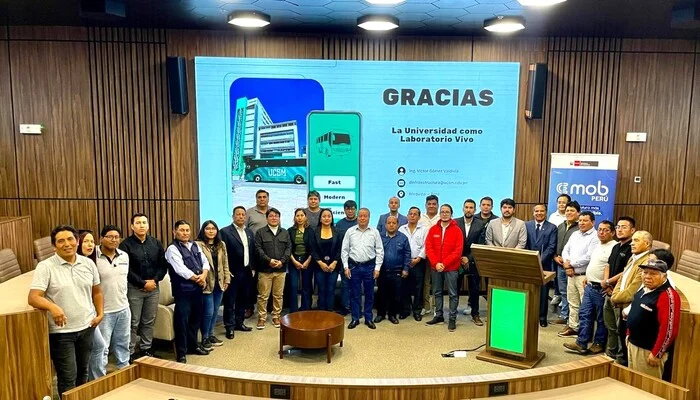
This landmark event took place at the esteemed facilities of the Universidad Católica de Santa María (UCSM) in Arequipa. UCSM, a trailblazer in integrating electric buses into its institutional fleet, served as an ideal host, offering firsthand insights into the practicalities and advantages of electric vehicle adoption. The university’s pioneering efforts provided a tangible case study for attendees, demonstrating that the transition to electromobility is not only feasible but also demonstrably successful. Representatives from a diverse array of entities were granted an in-depth look at UCSM’s experience, including the inherent challenges encountered during implementation and the tangible positive outcomes realized through the adoption of this advanced technology. This immersive approach allowed for a deeper understanding of the real-world application of electromobility principles.
The gathering itself was a testament to the collaborative spirit driving Peru’s sustainability agenda. It brought together key decision-makers and influencers, including directors from six public transport operating companies based in Arequipa, high-ranking officials from the Provincial Municipality of Arequipa and the Regional Government of Arequipa, representatives from the Sociedad Eléctrica del Sur Oeste (SEAL), esteemed members of the academic community, and officials from the Directorate General of Environmental Quality of Minam. This broad spectrum of participation ensured a comprehensive exchange of perspectives, fostering a robust dialogue on the opportunities and hurdles associated with integrating electric mobility into the urban fabric. The collective expertise present at the session was instrumental in shaping a forward-looking strategy for electromobility in the region and beyond.
The program’s first session was not merely a platform for sharing past successes but also a forward-looking forum for discussing policy advancements. Presentations covered the ongoing development of clean energy policies, strategies for effective air quality management, and the concrete actions slated for implementation by the Emob Peru project in 2026. This forward-looking agenda highlighted the government’s proactive stance in creating an enabling environment for electromobility, demonstrating a clear roadmap for future progress. Attendees gained valuable insights into the policy frameworks being developed to support the transition to electric vehicles, encompassing everything from regulatory incentives to infrastructure development.
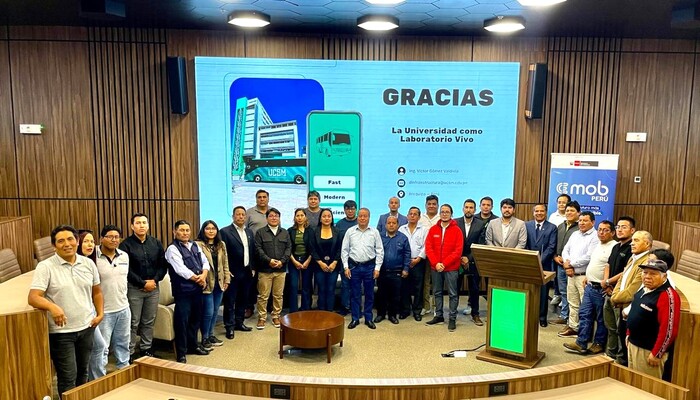
A significant component of the session was a meticulously organized guided tour of UCSM’s electric bus charging facilities. This practical demonstration offered participants a tangible understanding of the operational requirements and infrastructure needs for electric fleets. Following the facility tour, attendees were treated to a demonstrative ride on one of UCSM’s electric buses. This immersive experience allowed them to directly observe the performance and operational capabilities of the electric vehicles in real-world urban driving conditions. The silent, smooth, and emission-free ride provided a compelling firsthand experience of the benefits that electric buses bring to urban environments. This practical engagement proved invaluable for transport operators, offering a clear vision of how electric buses could integrate into their existing operations.
The active participation of public transport operators was particularly instrumental in fostering a dynamic environment for dialogue and the exchange of experiences. This collaborative space allowed for open discussions regarding the specific opportunities and challenges that the incorporation of electric mobility presents for Arequipa’s public transport system. The conversations delved into the potential environmental benefits for the city and its inhabitants, alongside practical considerations such as operational costs, charging infrastructure, driver training, and passenger acceptance. The insights shared by the operators were crucial for identifying potential roadblocks and developing targeted solutions to ensure a smooth and successful transition. This direct engagement with those on the front lines of urban transportation was vital for grounding the initiative in practical realities.
Charting a Course Towards Sustainable Mobility
The overarching objective of this comprehensive program is to cultivate a robust ecosystem for the advancement of sustainable transportation in Peru. By facilitating the sharing of knowledge and best practices, the Ministry of Environment aims to significantly boost the adoption of clean technologies within the urban transport sector. This initiative recognizes that a multi-faceted approach, involving education, demonstration, and policy support, is essential for driving widespread change. The program is designed to be a catalyst, inspiring confidence and providing the necessary tools and information for stakeholders to embrace electromobility.
These concerted efforts are intrinsically linked to Minam’s broader strategic vision: to foster a more sustainable mobility paradigm, enhance the quality of the air that citizens breathe, and rigorously fulfill the nation’s climate change commitments. The program underscores the critical importance of inter-agency collaboration. The synergy between Minam, various levels of government (national, regional, and municipal), the private sector, public transport companies, and academic institutions is identified as the linchpin for sustained progress. This integrated approach is essential for developing and implementing solutions that yield tangible environmental and social benefits for all Peruvian citizens. The program serves as a testament to the power of partnerships in tackling complex societal challenges and building a more sustainable future.
The GEF ID 10286 Emob Peru project, by orchestrating such targeted initiatives, is actively contributing to a paradigm shift in how Peru approaches urban mobility. The program’s focus on "successful experiences" is a strategic choice, aiming to demystify the transition to electromobility by showcasing tangible proof of concept and highlighting the positive impacts already being realized. This approach builds trust and encourages wider adoption by demonstrating that the benefits – cleaner air, reduced noise pollution, and a lower carbon footprint – are achievable and impactful.

Chronology of Electromobility’s Ascendancy in Peru
The journey towards widespread electromobility adoption in Peru is a developing narrative, with key milestones shaping its trajectory. While the recent launch of the "Program of Successful Experiences" represents a significant formalization of these efforts, the groundwork has been laid through various prior engagements and pilot projects.
- Early Explorations and Pilot Projects: Prior to the formal program, several smaller-scale initiatives and feasibility studies likely took place, often driven by individual entities or research institutions exploring the potential of electric vehicles in specific contexts. These early explorations, though perhaps not widely publicized, were crucial in building foundational knowledge and identifying initial challenges.
- The Role of UCSM: The Universidad Católica de Santa María’s proactive integration of electric buses into its institutional fleet stands out as a pioneering move. This practical adoption, predating the formal program, provided a critical real-world example of electromobility in action within Peru, serving as an inspiration and a source of valuable operational data.
- Development of the Emob Peru Project: The conceptualization and development of the GEF ID 10286 Emob Peru project by Minam represent a strategic institutional commitment to advancing electromobility. This project likely involved extensive research, stakeholder consultations, and the formulation of a comprehensive plan to promote sustainable transport solutions.
- Inaugural Program Session in Arequipa: The recent convening of the "Program of Successful Experiences in Electromobility Adoption in Peru" marks a significant public launch and operational phase of Minam’s electromobility strategy. This session, hosted by UCSM, served as a crucial platform for knowledge dissemination, stakeholder engagement, and the outlining of future plans.
- Planned Activities for 2026: The announcement of planned actions for 2026 by the Emob Peru project indicates a commitment to sustained progress and the scaling up of electromobility initiatives. These future plans are likely to encompass further policy development, infrastructure support, and the replication of successful models in other urban centers.
This chronological overview highlights a phased approach, moving from initial exploration and individual pioneering efforts to a coordinated, government-led program aimed at systemic change. The evolution reflects a growing understanding of the urgency and feasibility of transitioning to cleaner transportation.
Supporting Data and Evidence
While the article focuses on the program’s launch and its immediate objectives, the underlying rationale for promoting electromobility is firmly rooted in established data and scientific consensus regarding the environmental and public health impacts of conventional transportation.
- Air Quality Improvement: Conventional vehicles are a major source of particulate matter (PM2.5), nitrogen oxides (NOx), and other harmful pollutants. These pollutants contribute to respiratory illnesses, cardiovascular problems, and premature mortality. Electric vehicles produce zero tailpipe emissions, directly improving urban air quality and public health outcomes. Studies by the World Health Organization consistently highlight the devastating impact of air pollution on global health.
- Greenhouse Gas Emissions Reduction: The transportation sector is a significant contributor to greenhouse gas emissions, driving climate change. Electrifying transportation, particularly when powered by renewable energy sources, drastically reduces the carbon footprint of mobility. Peru, like many nations, is committed to reducing its emissions under the Paris Agreement, and electromobility is a key strategy for achieving these targets.
- Noise Pollution Reduction: Electric vehicles operate significantly quieter than their internal combustion engine counterparts. This reduction in noise pollution contributes to a more pleasant and less stressful urban environment, improving the quality of life for residents.
- Economic Benefits: While initial investment costs for electric vehicles can be higher, they often offer lower operating and maintenance costs over their lifespan. Reduced fuel expenses and simpler mechanical designs translate to long-term savings for operators and potentially for passengers through more stable fares. Furthermore, investment in charging infrastructure and related services can stimulate local economies and create new job opportunities.
- Energy Independence and Diversification: Shifting towards electric mobility can reduce reliance on imported fossil fuels, enhancing energy security and diversifying a nation’s energy sources. This is particularly relevant for countries aiming to achieve greater economic and political independence.
The success of the Emob Peru project hinges on its ability to leverage these evidential benefits and translate them into tangible improvements within Peruvian cities. The program’s focus on successful experiences aims to demonstrate these data-backed advantages in a relatable and persuasive manner.
Official Responses and Commitments
The Ministry of Environment (Minam) has positioned itself as a key driver of this initiative, with its actions and statements underscoring a strong commitment to sustainable mobility.

- Ministerial Endorsement: The establishment of the GEF ID 10286 Emob Peru project and the organization of the "Program of Successful Experiences" clearly indicate high-level governmental support for electromobility. Minam’s leadership in this area signifies a strategic priority for the ministry and the broader government.
- Inter-Agency Collaboration: The article highlights the active involvement of various government entities, including the Provincial Municipality of Arequipa and the Regional Government of Arequipa, alongside Minam. This inter-agency collaboration is crucial for creating a cohesive policy environment and ensuring that efforts are coordinated across different administrative levels.
- Focus on Knowledge Sharing: Minam’s emphasis on promoting "exchange of knowledge and experiences" through this program demonstrates a commitment to a learning-oriented approach. This strategy acknowledges that successful adoption requires not only policy but also the practical insights and lessons learned from those on the ground.
- Long-Term Vision: The mention of planned actions for 2026 indicates a forward-looking perspective. This commitment to sustained effort suggests that electromobility is viewed not as a short-term project but as a fundamental component of Peru’s long-term environmental and developmental strategy.
- Alignment with National Goals: Minam’s stated aim to "contribute to the fulfillment of the country’s climate commitments" directly links the electromobility initiative to Peru’s international environmental obligations. This demonstrates an understanding of how local actions contribute to global efforts.
The responses from the participating entities, particularly the public transport operators and local government authorities, indicate a growing recognition of the necessity and benefits of electromobility. Their engagement in the program suggests a willingness to explore and implement these sustainable solutions, driven by both environmental concerns and the potential for operational improvements.
Implications for the Future of Peruvian Cities
The "Program of Successful Experiences in Electromobility Adoption in Peru" carries significant implications for the future development and sustainability of urban centers across the nation.
- Accelerated Transition to Cleaner Transport: By showcasing proven successes and fostering dialogue, the program is poised to significantly accelerate the adoption of electric vehicles in public transportation fleets. This can lead to a more rapid reduction in air and noise pollution in cities like Arequipa and potentially others that adopt similar strategies.
- Improved Public Health Outcomes: The direct correlation between reduced vehicle emissions and improved air quality translates into a tangible positive impact on public health. This could lead to a decrease in respiratory and cardiovascular diseases, reducing healthcare burdens and improving the overall well-being of citizens.
- Enhanced Urban Livability: Quieter streets and cleaner air contribute to a more pleasant and livable urban environment. This can foster a greater sense of community and well-being for residents, making cities more attractive places to live and work.
- Economic Opportunities and Innovation: The growth of electromobility will spur investment in charging infrastructure, vehicle maintenance, and potentially local manufacturing or assembly of electric components. This can create new economic opportunities, foster innovation, and diversify the national economy.
- Strengthened Policy Frameworks: The program’s emphasis on policy development and the involvement of government agencies suggests a move towards more robust and supportive regulatory frameworks for electromobility. This will likely include incentives, standards, and urban planning considerations that facilitate the widespread adoption of electric vehicles.
- Replication and Scalability: The program’s design, focusing on "successful experiences," inherently aims for replication and scalability. The lessons learned in Arequipa can serve as a blueprint for other Peruvian cities looking to embark on their own electromobility journeys, creating a ripple effect of sustainable change.
- Contribution to National Climate Goals: By actively promoting a low-carbon transportation sector, this initiative directly contributes to Peru’s national and international climate change commitments. It underscores the country’s dedication to a greener future and its role in global environmental stewardship.
In conclusion, the Ministry of Environment’s proactive stance through the Emob Peru project and the "Program of Successful Experiences" signals a robust commitment to transforming Peru’s urban transportation landscape. The initiative’s focus on collaboration, practical demonstration, and forward-looking policy development positions it as a critical catalyst for a cleaner, healthier, and more sustainable future for Peruvian cities. The ongoing efforts, bolstered by the successful integration of electric buses by pioneers like UCSM, are laying the foundation for a significant shift towards electromobility, promising tangible benefits for both the environment and the well-being of its citizens.