Executive Summary: A Procedural Oversight
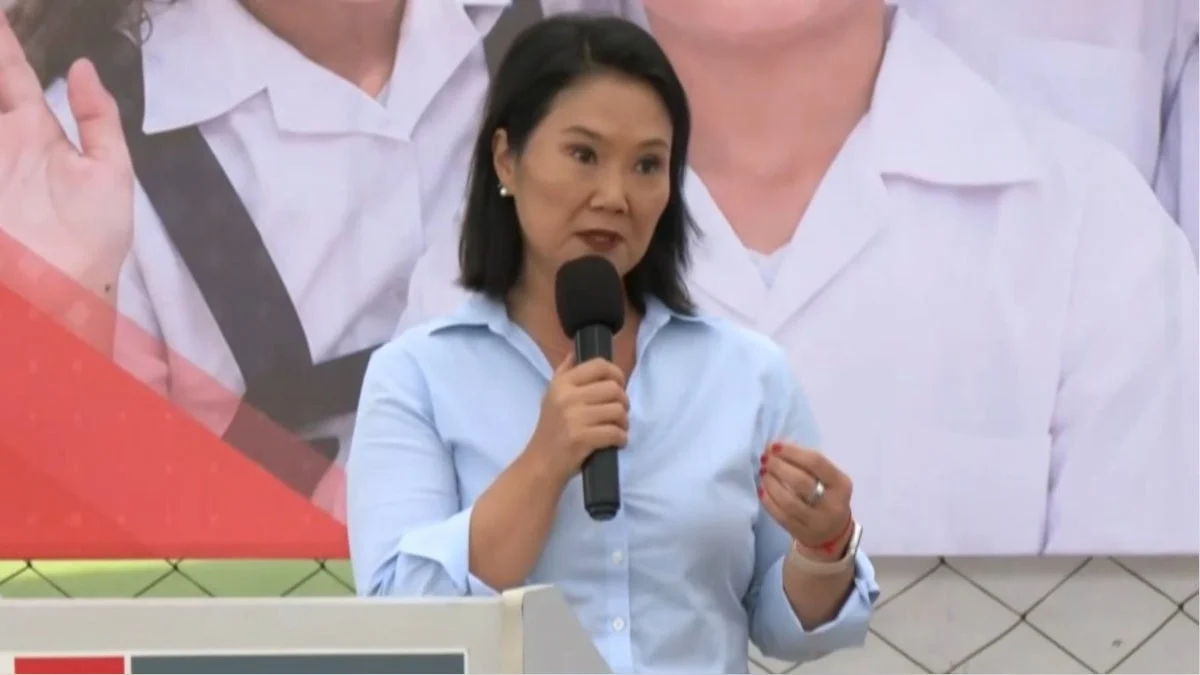
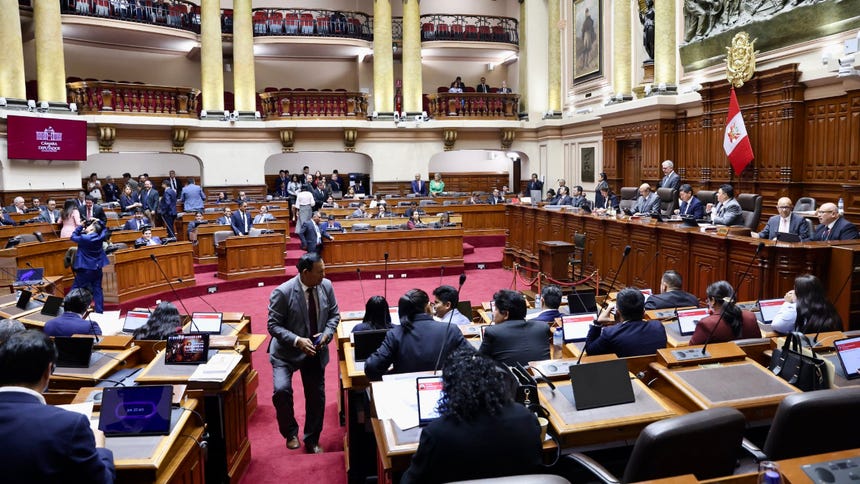
In an extraordinary edition of the official gazette El Peruano, the Peruvian Congress has officially published a fe de erratas (a formal correction of errors) to rectify a significant procedural oversight in the recently approved law granting the Executive branch special legislative powers. The legislation, intended to provide the administration of President Keiko Fujimori with the tools to address escalating concerns in citizen security and the projected impact of the "El Niño" climate phenomenon, had been marred by an erroneous header that attributed the law exclusively to the Senate.
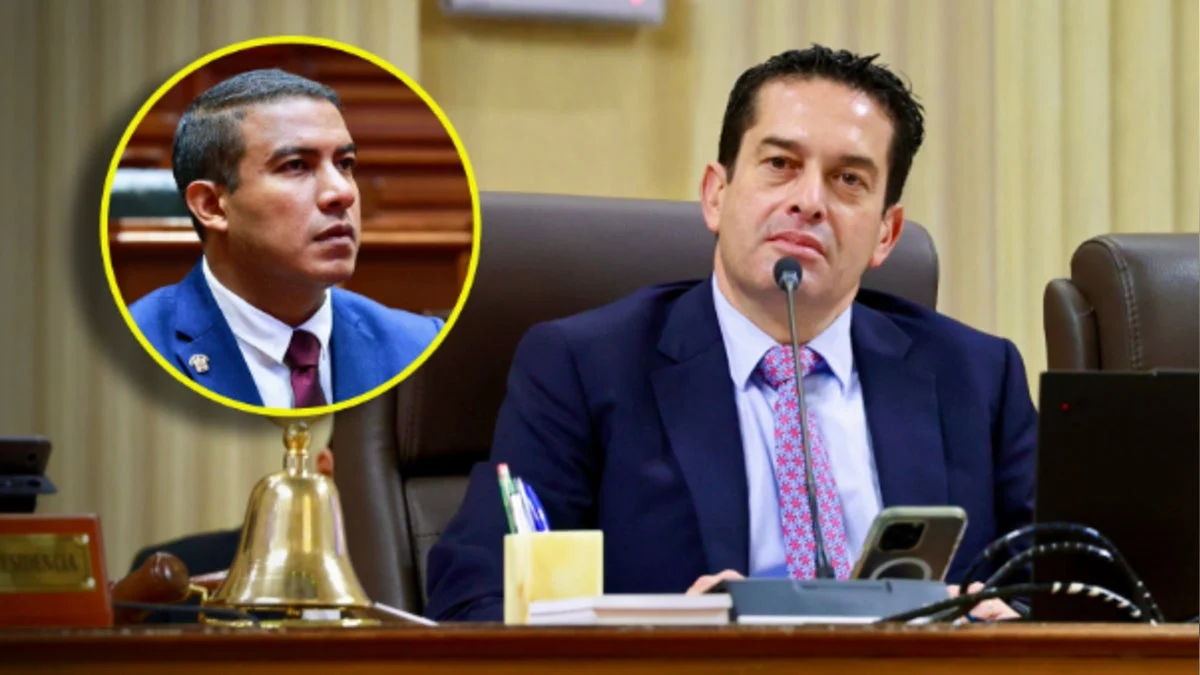
The correction, ordered by the President of the Senate, Miguel Torres, follows intense political pressure from the Chamber of Deputies and constitutional experts who argued that the original document undermined the bicameral nature of the legislative body. The corrected text now formally recognizes the "Congress of the Republic" as the enacting authority, effectively neutralizing a burgeoning constitutional crisis regarding the legitimacy of the delegation of powers.
Chronology of the Legislative Dispute
October 21: Initial Approval
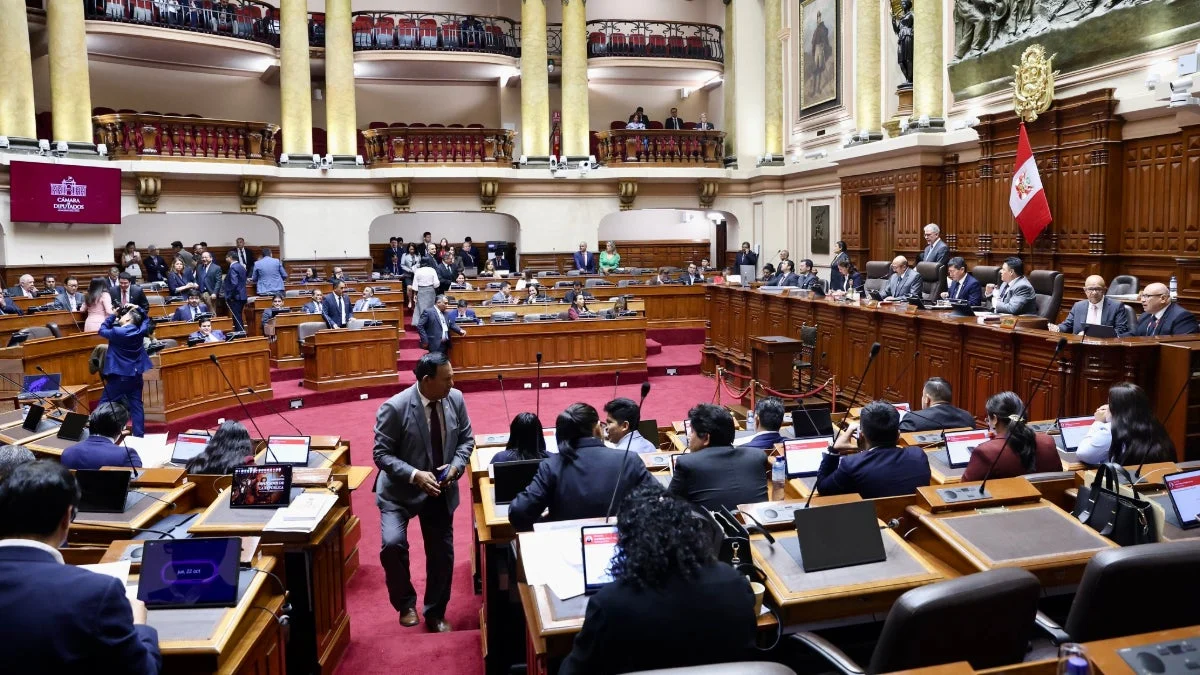
The legislative process began on Wednesday, October 21, when the Senate plenary approved—with 35 votes in favor—the delegation of legislative faculties to the Executive. The urgency of the measure was framed around the pressing need for the government to act swiftly on public safety and climate mitigation. Upon the conclusion of the session, Miguel Ángel Torres, in his capacity as head of the Senate and the Congress, signed the original autographed law.
October 23: The Conflict Escalates
Two days after the initial signing, a formal rift opened within the legislative branch. Óscar Reto, the President of the Chamber of Deputies, issued a strongly worded official communication to Miguel Torres. Reto demanded an immediate correction of the published law, citing two primary grievances: the improper omission of his own signature and that of the First Vice President, Analí Márquez, and the erroneous exclusion of the Chamber of Deputies from the preamble of the law.
October 24: Institutional Response and Correction
Following mounting criticism from legal scholars and the political opposition, Miguel Torres acknowledged the existence of a "material error." By Friday evening, he announced via the social media platform X (formerly Twitter) that he had ordered the immediate processing of a fe de erratas. This led to the extraordinary publication in El Peruano that same night, effectively superseding the flawed document.
The Core Controversy: Bicameralism at Stake
The controversy highlights a sensitive structural issue in the Peruvian political system: the relationship between the Senate and the Chamber of Deputies. The inclusion of "Senate" in the header of a law that had been passed by both houses suggested a unilateral legislative process, which critics argue is a violation of the Constitution.
The Constitutional Argument
Article 90 of the Peruvian Constitution defines the Congress as a body comprised of two chambers. By omitting the Chamber of Deputies, the original autographed law appeared to grant the Senate an unconstitutional monopoly on the legislative process.
Óscar Urviola, former president of the Constitutional Court, provided a scathing assessment of the incident. Urviola argued that the phrasing of the original document was not merely a typo, but a fundamental misunderstanding of the constitutional delegation of power. According to Urviola, the legitimacy of any delegation of powers to the Executive rests on the act being a collective mandate of the entire Congress. By attributing the law solely to the Senate, the document cast doubt on the legal standing of the executive decrees that would follow, potentially leaving the government’s future regulations vulnerable to legal challenges in court.
The Political Friction
The dispute also revealed a underlying power struggle. For the Chamber of Deputies, the omission was not merely an administrative error; it was a perceived attempt to sideline the lower house. By demanding the inclusion of his signature and the correction of the institutional header, Óscar Reto sought to assert the equal standing of the Deputies within the legislative process.
Supporting Data and Technical Details
The correction published in El Peruano is specific in its linguistic adjustment. The original text stated, "The Senate of the Republic has given the following law…" The corrected version, as mandated by the fe de erratas, reads:
"The Congress of the Republic has given the following law: Law that delegates to the Executive Branch the power to legislate in matters of citizen security and the El Niño phenomenon."
This shift is legally significant. Under Peruvian law, "Law 2743" (the reference number for the delegation of powers) requires absolute procedural accuracy to withstand potential challenges from the Constitutional Court. Had the error remained, any decree-law issued by President Fujimori under this authorization could have been challenged by defense attorneys or political opponents on the grounds that the enabling law was procedurally defective.
Implications for the Executive Branch
The Executive branch, led by President Keiko Fujimori, now finds itself in a position of greater legal stability. Had the legislative error persisted, the "special faculties" would have been shrouded in a cloud of illegitimacy.
Stability for Policy Implementation
The government’s primary objectives—tackling rising crime rates and preparing for the severe weather patterns of El Niño—require the immediate issuance of legislative decrees. With the correction now published in the official gazette, the legal "shield" surrounding these decrees is significantly reinforced. The administration can proceed with the assurance that its legislative authority is derived from a constitutionally sound, bicameral source.
The Role of Miguel Torres
For Senate President Miguel Torres, the incident serves as a cautionary tale regarding administrative oversight. While he successfully contained the fallout by issuing a prompt correction, the incident has highlighted the friction between the two chambers. Political analysts suggest that moving forward, the leadership of both the Senate and the Chamber of Deputies will need to implement more rigorous double-check mechanisms for all autographed laws before they reach the President’s desk.
Future Outlook: Legislative Cooperation or Continued Strife?
The resolution of this administrative error does not necessarily signal the end of political friction within the Peruvian Congress. The incident has left a mark on the legislative record and has provided opposition parties with a talking point regarding the coordination—or lack thereof—between the presiding officers of the two chambers.
The Path Toward Better Coordination
Moving forward, there are calls for a formal protocol to be established regarding the drafting of laws. Experts suggest that the technical offices of the Congress should implement a mandatory multi-signature verification process. This would prevent situations where the "preamble" of a law does not accurately reflect the legislative consensus of the body that passed it.
Institutional Trust
The public perception of the Congress is frequently tied to its efficiency and transparency. While the swift correction of the error prevented a deeper constitutional crisis, the fact that such a fundamental error reached the stage of publication in El Peruano has raised questions about the bureaucratic processes within the legislative palace. For the citizens of Peru, who are looking to their government to provide solutions to security and climate challenges, the incident serves as a reminder of the need for precision in the highest offices of the state.
Conclusion
The fe de erratas published in El Peruano effectively closes the chapter on a procedural misstep that threatened to destabilize the government’s legislative agenda. By realigning the law with the constitutional reality of a bicameral Congress, the legislative leadership has avoided a potentially catastrophic legal impasse. However, the event serves as a stark reminder of the complexities of the Peruvian constitutional framework and the necessity for harmony between the Senate and the Chamber of Deputies in the pursuit of effective national governance. As the government begins to exercise its special faculties, the focus will now shift from the procedural validity of the law to the effectiveness of the policies themselves.