Executive Summary: Bridging Rural Isolation
The Regional Government of Moquegua has officially inaugurated the Huatalaque–San Cristóbal road project, a significant infrastructure development in the province of Mariscal Nieto. Representing a total investment of over S/ 32 million, this project serves as a strategic intervention designed to bridge the connectivity gap for rural communities. By transforming a rugged path into a functional, safe, and durable road corridor, the regional administration aims to catalyze economic development, improve access to essential services, and enhance the quality of life for the agricultural and livestock-focused populations in the high-altitude regions of southern Peru.
1. Main Facts: The Scope of the Intervention
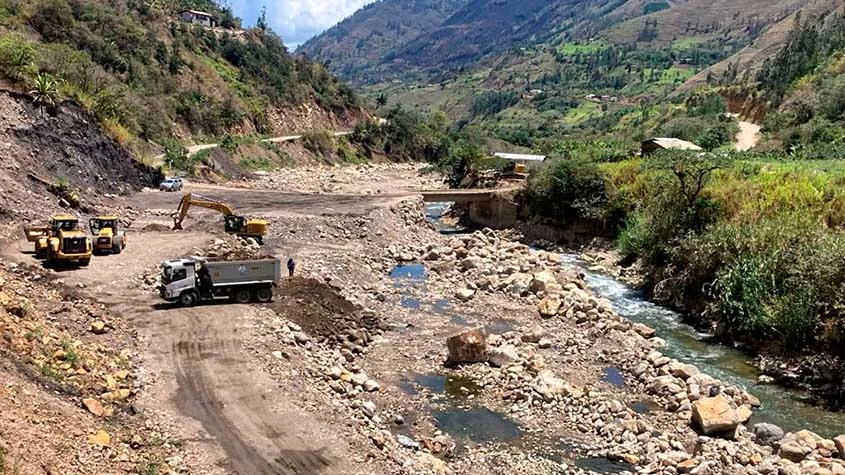
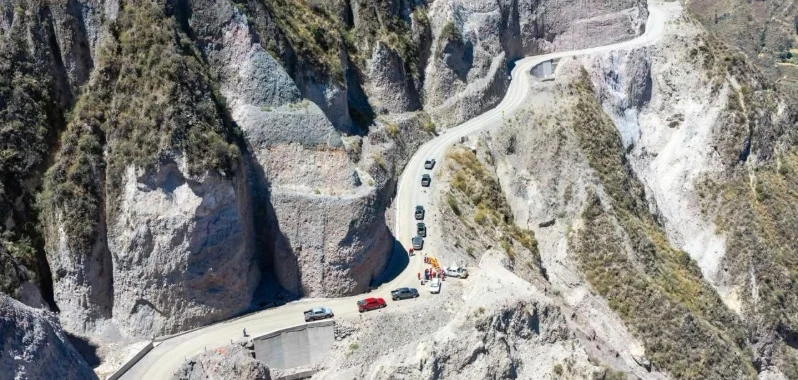
The Huatalaque–San Cristóbal road project is not merely an asphalt or gravel improvement; it represents a comprehensive engineering effort to stabilize terrain and ensure year-round transit.
- Investment: Over S/ 32 million (PEN).
- Location: Province of Mariscal Nieto, Moquegua Region.
- Infrastructure Scope: Over six kilometers of road.
- Engineering Highlights: Extensive earthworks, subgrade formation, and specialized soil stabilization to handle the challenging Andean topography.
- Safety Features: Integration of comprehensive signage and traffic safety systems to mitigate risks on winding, mountainous routes.
- Sustainability: Installation of robust drainage systems and "obras de arte" (artisan civil structures like culverts and retaining walls) to prevent erosion and structural degradation due to seasonal rains.
This project is a critical piece of the regional government’s broader strategy to modernize rural transport, moving away from temporary paths that were previously prone to closure during the rainy season.
2. Chronology: From Planning to Inauguration
The development of the Huatalaque–San Cristóbal corridor followed a multi-stage lifecycle typical of large-scale regional infrastructure projects in Peru:
- Phase I: Planning and Budget Allocation: Regional authorities identified the corridor as a priority due to the extreme difficulty farmers faced in transporting goods to the capital of the province. Funds were allocated as part of the regional investment portfolio.
- Phase II: Tender and Contract Award: The project underwent a competitive bidding process to ensure transparency and technical capability.
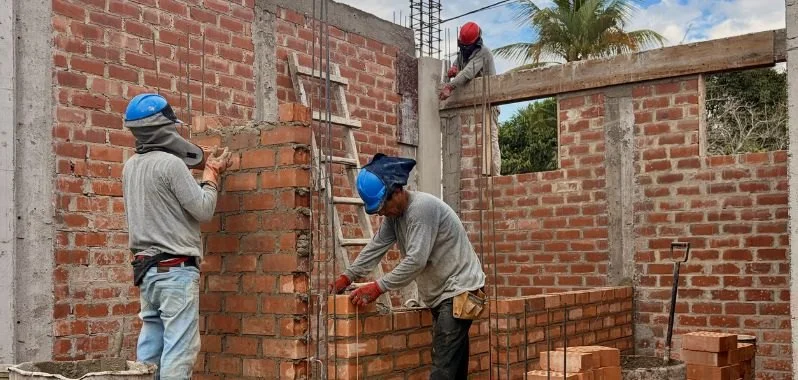
- Phase III: Execution and Employment Generation: Construction began with a focus on local workforce integration. Over the project’s duration, more than 100 direct jobs were generated, providing a vital economic stimulus to local families during the construction period.
- Phase IV: Technical Auditing and Quality Assurance: Engineers performed rigorous inspections of the subgrade and drainage systems to ensure compliance with national road safety standards.
- Phase V: Inauguration and Handover: With the project now fully operational, the road is open to public transit, marking the official transition from construction site to essential public utility.
3. Supporting Data: Socio-Economic Impact
The value of the S/ 32 million investment is best measured by the socio-economic indicators of the region. Moquegua’s rural sector, specifically around Mariscal Nieto, is heavily reliant on the agricultural and livestock sectors.
Enhancing Market Access
Prior to this project, the "trocha carrozable" (unimproved road) often acted as a bottleneck for local producers. Transporting perishable crops or livestock via inadequate paths often resulted in product spoilage or excessive wear and tear on transport vehicles. With the new road, the transit time between Huatalaque and San Cristóbal has been significantly reduced, allowing farmers to reach larger markets in the provincial capital with greater frequency and lower logistics costs.

Employment and Local Economic Dynamism
The employment of over 100 local workers served a dual purpose: it ensured that the project was executed with the support and knowledge of the local community, and it injected liquidity into the local economy. Beyond the direct jobs, the presence of construction crews supported local micro-enterprises, including food services and logistical support providers, creating a "multiplier effect" during the construction phase.
4. Official Responses and Institutional Vision
The Regional Government of Moquegua has framed this project as part of a wider "Connectivity Agenda." According to regional representatives, the strategy is to move beyond mere road building toward creating integrated logistics corridors that allow rural areas to participate more fully in the regional economy.
Strategic Policy Alignment
Government officials have emphasized that the Huatalaque–San Cristóbal route is a testament to the regional administration’s commitment to decentralizing development. "Our goal is to ensure that no village is left behind," an official spokesperson noted. By prioritizing remote areas like the Mariscal Nieto highlands, the regional government is directly addressing the historical neglect of rural infrastructure.
Engineering Perspectives
The technical team overseeing the project highlighted the complexity of the terrain. Given the seismic and climatic risks in the Moquegua region, the engineering team opted for high-density soil stabilization techniques. The inclusion of drainage systems is particularly noteworthy, as it prevents the washouts that frequently characterize rural road failures in the Andes.
5. Long-term Implications: A Roadmap for Development
The successful completion of this road is expected to have long-term structural effects on the province.
Strengthening Social Infrastructure
Improved road access is synonymous with improved service delivery. With the new road, the response time for emergency services, ambulances, and police patrols is expected to decrease. Furthermore, the corridor facilitates better access to educational and healthcare facilities, which were previously isolated during adverse weather conditions.

Agricultural Transformation
The agricultural sector is expected to see a shift toward higher-value crops. When transport is reliable, farmers are more willing to invest in high-yield varieties, knowing that they can move their products to markets without the risk of being stranded on a blocked road. This stability is the bedrock of agricultural modernization.
Environmental Stewardship
Modern road design, including the drainage systems mentioned earlier, is vital for environmental management. By directing runoff through engineered channels, the road project reduces the risk of landslides and soil erosion, protecting the surrounding landscape and natural resources that the local communities rely upon.
Conclusion: A Step Toward Integration
The Huatalaque–San Cristóbal road project stands as a clear example of how strategic infrastructure investment can reshape the socio-economic landscape of a region. While S/ 32 million is a significant financial commitment, the return on investment—measured in saved travel time, reduced vehicle maintenance, improved safety, and expanded economic opportunities—is substantial.
As the regional government looks to the future, this project serves as a model for future interventions. It demonstrates that with careful planning, community participation, and rigorous engineering, the barriers posed by geography can be overcome. For the people of Mariscal Nieto, this road is more than just asphalt and earth; it is a permanent bridge to better opportunities, marking a new chapter in the economic and social integration of rural Moquegua.
The successful delivery of this project confirms the government’s ability to execute complex infrastructure, ensuring that even the most remote districts remain active participants in the regional development narrative. Moving forward, the maintenance of this corridor will be the next critical test, ensuring that the initial investment continues to yield dividends for the people of Huatalaque and San Cristóbal for decades to come.