In a significant development for the current administration, the Peruvian government has initiated the formal legislative process to authorize President Keiko Fujimori’s first official state visit abroad. According to documents reviewed during a recent non-presidential session of the Council of Ministers, the executive branch is seeking congressional approval for the president to travel to New York, United States, to participate in the 79th session of the United Nations General Assembly (UNGA).
The proposed travel window, spanning from September 21 to September 25, marks a pivotal moment in the administration’s foreign policy agenda. As the country navigates a complex regional landscape, the international debut of the president is being framed by the Ministry of Foreign Affairs as a strategic opportunity to reposition Peru on the global stage, attract foreign direct investment, and strengthen bilateral security cooperation.
The Diplomatic Agenda: Strengthening Ties in New York
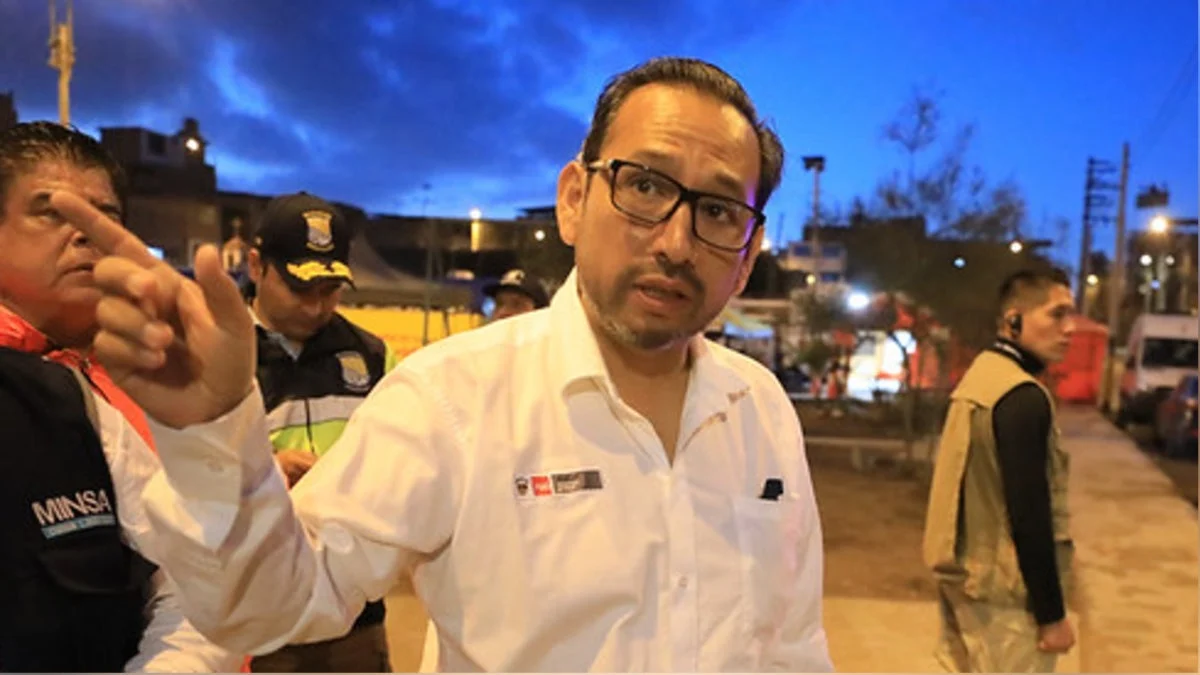
Foreign Minister Carlos Espá, serving as the administration’s primary spokesperson regarding this mission, emphasized that the trip is not merely ceremonial but is rooted in the essential diplomatic tradition of the UN General Assembly.
"Every year, the United Nations General Assembly serves as the preeminent forum for heads of state to address the global community," Minister Espá stated during a press briefing. "It is a standard but vital procedure for the President of the Republic to represent our national interests alongside other world leaders, including President Trump and representatives from across the globe."
The Ministry of Foreign Affairs has signaled that President Fujimori’s agenda in New York will be multifaceted. Beyond the high-level plenary sessions where she is expected to deliver her inaugural address to the Assembly, the Peruvian delegation is coordinating a series of bilateral meetings and forums specifically designed to highlight Peru’s economic stability and investment climate.
Key Focus Areas:
- Foreign Direct Investment (FDI): The administration is prioritizing meetings with international financial institutions and private sector leaders to discuss infrastructure projects and sustainable development initiatives.
- Regional Security: In an era of increasing transnational threats, the President is slated to participate in side-meetings focused on border security and the combatting of illicit narcotics trafficking, a topic of heightened concern in the Andean region.
- Multilateral Cooperation: Reinforcing Peru’s commitment to the "Shield of the Americas" (Escudo de las Américas) initiative, a framework designed to foster closer coordination between hemispheric nations on defense and policy alignment.
Chronology of the Authorization Process
The path to this international mission began with the formalization of the travel request within the Council of Ministers. The following timeline outlines the progression of this legislative and administrative milestone:
- September 12: The Executive Branch officially adds the travel authorization to the agenda of the Council of Ministers, signaling the intent to seek legislative approval.
- September 14: Minister Carlos Espá provides the first official confirmation of the trip’s purpose, highlighting the importance of the UN General Assembly as the primary venue for the visit.
- September 15–18 (Anticipated): The project of legislative resolution is expected to be debated and voted upon in the Peruvian Congress. Given the current political composition, the administration is reportedly lobbying for broad support, emphasizing the "patriotic necessity" of the visit.
- September 21: The proposed departure date. Should the resolution pass, President Fujimori will depart for New York.
- September 25: The anticipated conclusion of the mission and the President’s return to Lima to resume domestic legislative priorities.
The Legislative Hurdle and Political Context
Under the Peruvian Constitution, the President of the Republic requires authorization from the Congress to leave the national territory. This constitutional check and balance ensures that the legislature remains informed of the Chief Executive’s movements.
While the administration remains confident that the authorization will be granted, the process has sparked a healthy debate within the legislative halls. Some opposition members have questioned the timing of the trip, given the administration’s ongoing efforts to secure special legislative faculties from Congress to address urgent economic reforms.
Minister Espá, however, remains optimistic. "The patriotic sentiment will prevail," he noted, expressing his conviction that the legislature recognizes the benefits of the President’s presence at the UN. By demonstrating a proactive stance on the international stage, the administration hopes to signal to both domestic and international audiences that Peru is open for business and fully engaged in global governance.
Implications for Foreign Policy
The decision to make the United Nations General Assembly the first destination for President Fujimori is a calculated strategic move. For a new administration, the UNGA provides a "one-stop-shop" for diplomacy. In the span of four days, a head of state can engage with dozens of counterparts, avoiding the need for individual state visits to multiple capitals in the early months of their term.
Economic Stabilization
The administration’s focus on attracting investment is perhaps the most critical component of the trip. Peru has faced a period of economic fluctuation, and the government is keen to reassure international markets of the country’s institutional stability. By engaging with the global financial community in New York, President Fujimori aims to provide a "seal of approval" to the economic policies her cabinet is currently implementing.
Security and Transnational Crime
The mention of narcotics trafficking in the context of the trip is not coincidental. Recent reports from the U.S. government regarding interdiction efforts in the Pacific have underscored the need for enhanced intelligence sharing between Peru and its northern partners. The administration intends to leverage this visit to sign or renew memorandums of understanding regarding regional security cooperation.
Expert Analysis: A Test of Presidential Diplomacy
Political analysts in Lima have noted that this trip represents a defining moment for the President’s leadership style. While her supporters view the trip as a necessary assertion of authority and global presence, critics maintain that the government should prioritize domestic crises, particularly those involving public safety and the economic cost of living.
"The challenge for President Fujimori will be to balance her international responsibilities with the perception of her commitment to local issues," says a political consultant based in Miraflores. "If she returns from New York with concrete agreements on investments or security, the trip will be viewed as a success. If the visit is perceived as purely symbolic, it may provide fodder for political opponents."
Looking Forward: The Road to September 21
As the date approaches, the Ministry of Foreign Affairs is working in overdrive to finalize the logistics of the delegation. Security details, protocol arrangements, and the drafting of the President’s speech are currently in their final stages.
The speech before the UN General Assembly is expected to be a cornerstone of the visit. Sources close to the Palacio de Gobierno suggest the address will focus on three main pillars:
- Democratic Resilience: A defense of the rule of law and democratic institutions in the region.
- Economic Integration: A call for modernized trade agreements that benefit emerging economies.
- Environmental Stewardship: Highlighting Peru’s commitment to the Amazon and its role in global climate change mitigation efforts.
For the international community, the visit is an opportunity to gauge the direction of the new Peruvian government. For President Keiko Fujimori, it is the first major opportunity to project a vision of Peru that is stable, integrated, and ready to lead in the Americas.
As the Council of Ministers prepares to finalize the legislative resolution, all eyes are on the Peruvian Congress. The authorization is not merely a formality; it is an affirmation of the country’s foreign policy trajectory and a test of the administration’s ability to build consensus across the political spectrum. Whether this mission serves as a catalyst for growth or a source of political friction remains to be seen, but one thing is certain: the eyes of the nation will be firmly fixed on New York during those four critical days in late September.