Introduction: A Milestone for Social Stability in Apurímac
In a significant development for the Peruvian mining sector, the community of Hatun Ccollana and Minera Las Bambas have officially entered into a mutual cooperation agreement. This landmark accord, brokered through an intensive mediation process led by the national government, marks a pivotal shift in the relationship between the major copper producer and its surrounding stakeholders. By prioritizing dialogue over confrontation, the parties have established a roadmap that promises to balance industrial production with the socio-economic aspirations of the local population.
The agreement, facilitated by the Ministry of Energy and Mines (MINEM) and the Presidency of the Council of Ministers (PCM), serves as a template for conflict resolution in the volatile mining corridor of the Apurímac region. It underscores a strategic pivot toward "preventative governance," where the state acts not merely as an administrator, but as a proactive guarantor of social peace and territorial development.
Main Facts: The Core of the Agreement
The recently signed cooperation agreement is the culmination of months of negotiations aimed at reconciling the operational requirements of Minera Las Bambas with the legitimate developmental needs of the Hatun Ccollana community.
Key Pillars of the Accord:
- Structured Cooperation: The agreement formalizes a framework for ongoing interaction, moving away from reactive negotiations to a proactive, scheduled engagement process.
- Developmental Commitments: Minera Las Bambas has pledged to support localized projects designed to improve public infrastructure, agricultural productivity, and access to basic services for community members.
- Resolution of Pending Demands: During the final round of negotiations, the parties successfully addressed several outstanding issues that had previously caused friction, including concerns regarding land use, environmental monitoring, and local employment opportunities.
- Institutional Oversight: The inclusion of the Office of Social Management (OGGS) under the MINEM ensures that both parties adhere to the timelines and budgetary allocations stipulated in the document.
Chronology of the Dialogue Process
The path to this agreement was neither short nor simple. It reflects a multi-stage effort to de-escalate tensions and build the trust necessary for a formal, binding contract.
Phase 1: Identification of Friction Points
Following reports of rising tensions and intermittent social unrest in the area of influence, the Office of Social Management (OGGS) conducted a series of "listening tours." These meetings identified that the primary grievances of Hatun Ccollana were rooted in a perceived lack of transparency regarding the socioeconomic impact of mining activities.
Phase 2: Facilitated Mediation
In late 2025, the Presidency of the Council of Ministers (PCM) stepped in to elevate the level of dialogue. By establishing a neutral venue for negotiation, the government moved to address the "trust deficit." This phase involved several technical working groups, where representatives from the mining company and community leaders debated the feasibility of specific community development proposals.
Phase 3: The Negotiation Marathon
The weeks leading up to the final signing were characterized by intensive, closed-door negotiations. Both parties were tasked with refining their demands and concessions. The community pushed for tangible, long-term investments rather than short-term financial compensation, while the company sought guarantees for operational stability and the protection of its logistical corridors.
Phase 4: Formalization and Signing
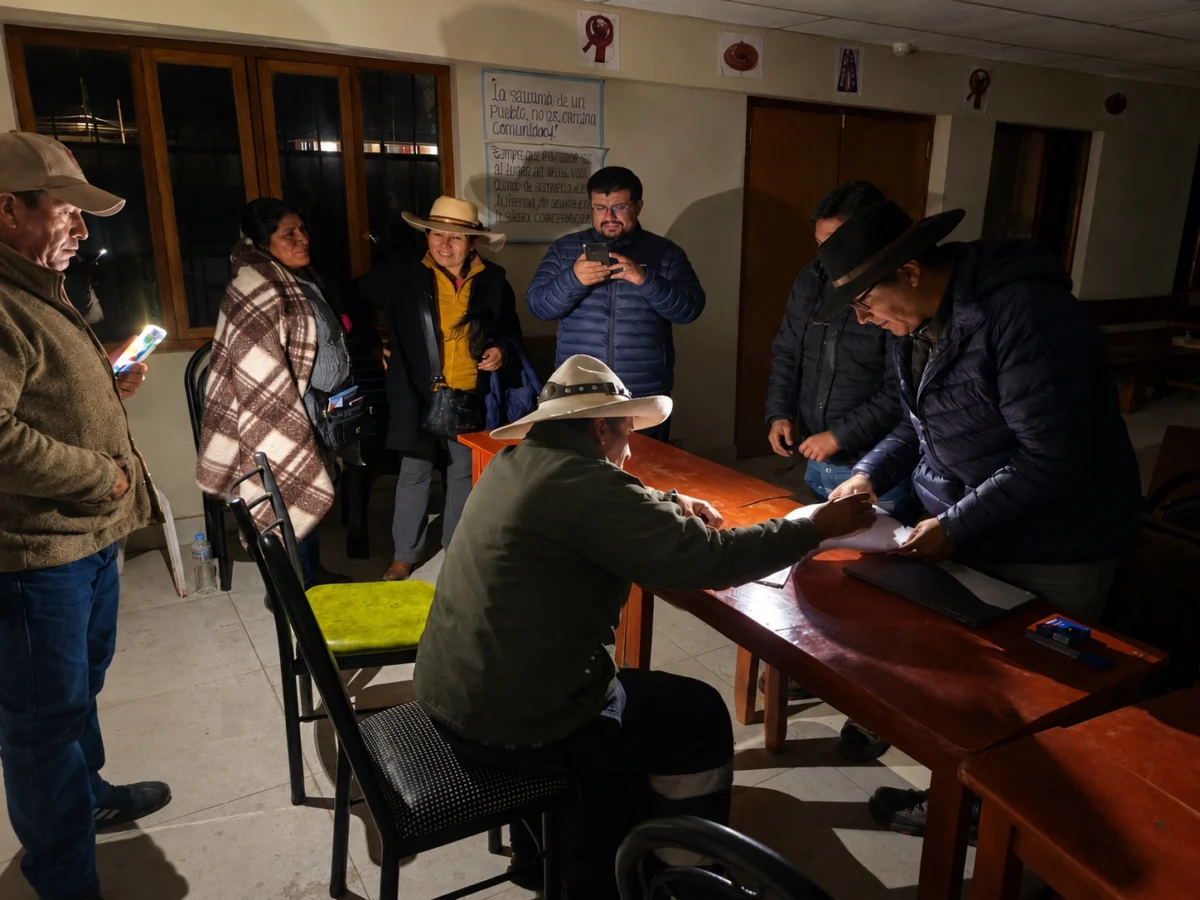
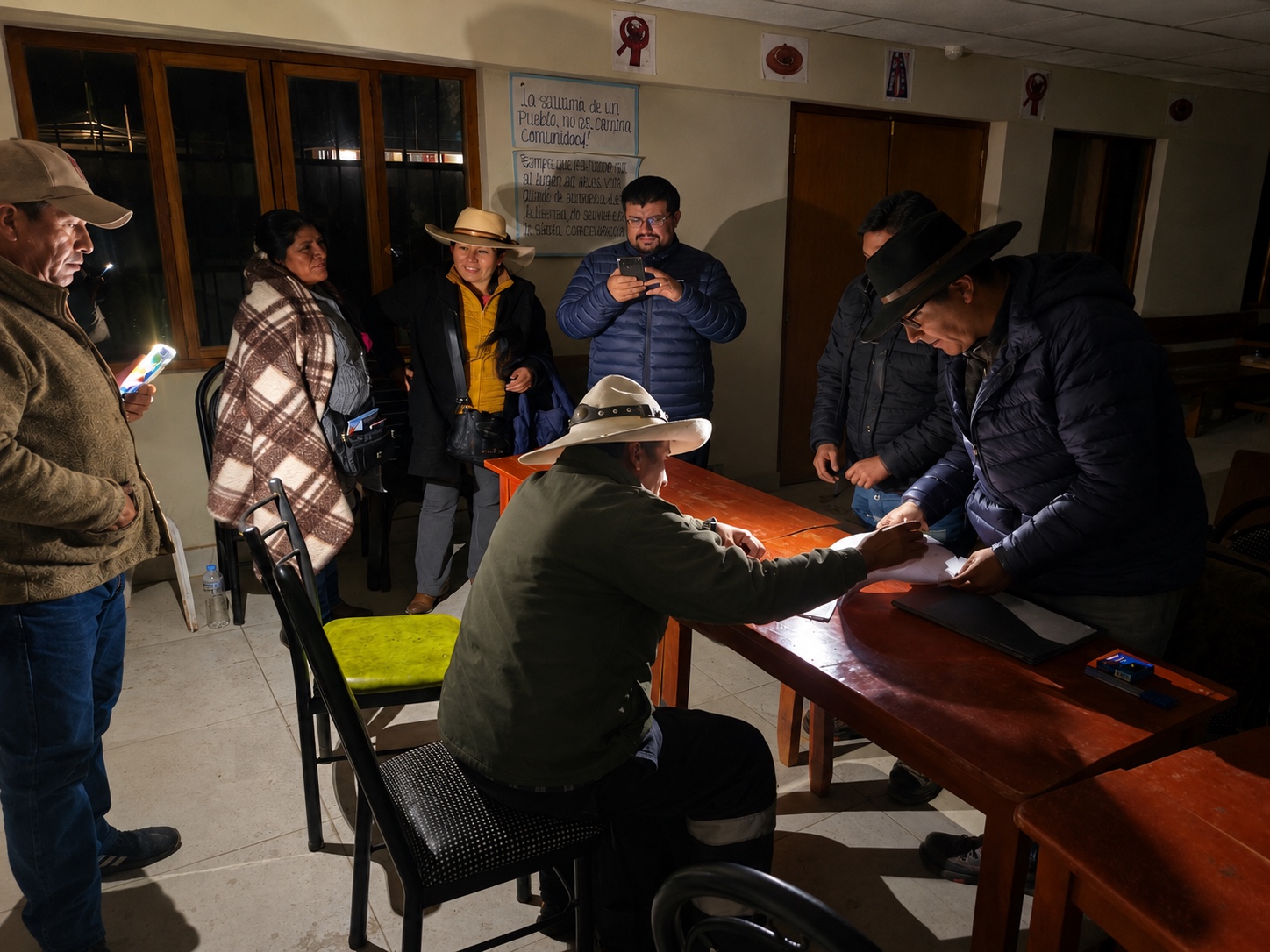
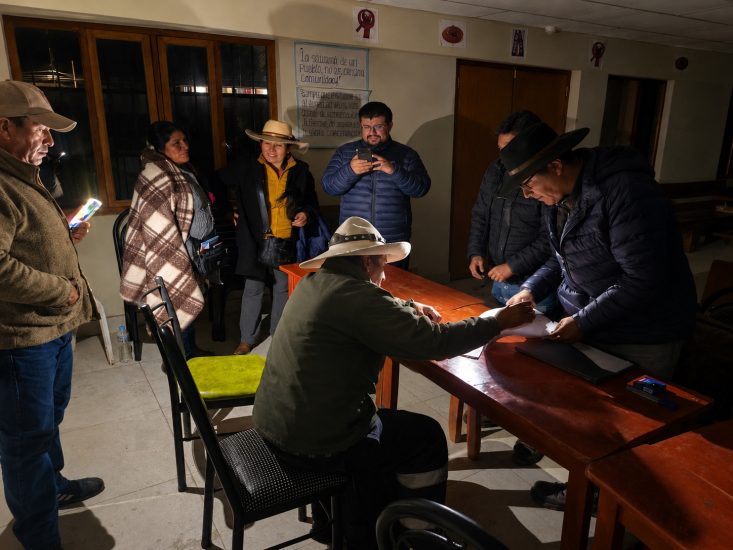
The process reached its zenith during a plenary session attended by regional government officials and representatives from the central administration. The signing of the agreement serves as the official "day zero" for the new implementation phase.
Supporting Data: The Context of the Mining Corridor
To understand the significance of this agreement, one must look at the broader landscape of the Southern Mining Corridor in Peru.
- Economic Impact: Minera Las Bambas accounts for a significant percentage of Peru’s annual copper output. Disruptions in this region have historically caused significant fluctuations in the national GDP and have sparked concerns among international investors regarding the reliability of the Peruvian supply chain.
- Socioeconomic Indicators: Despite the wealth generated by the mine, local communities like Hatun Ccollana have historically struggled with high rates of poverty, limited connectivity, and gaps in technical education.
- The Role of Conflict: Between 2020 and 2025, the region witnessed numerous protests that led to road blockades and operational suspensions. These incidents underscored the need for a shift in the corporate-social model, shifting from a "transactional" approach to a "partnership" model.
The current agreement is designed to address these indicators by linking the success of the mine to the success of the community, essentially creating a shared destiny that discourages conflict and encourages cooperative growth.
Official Responses and Ministerial Strategy
The Ministry of Energy and Mines (MINEM)
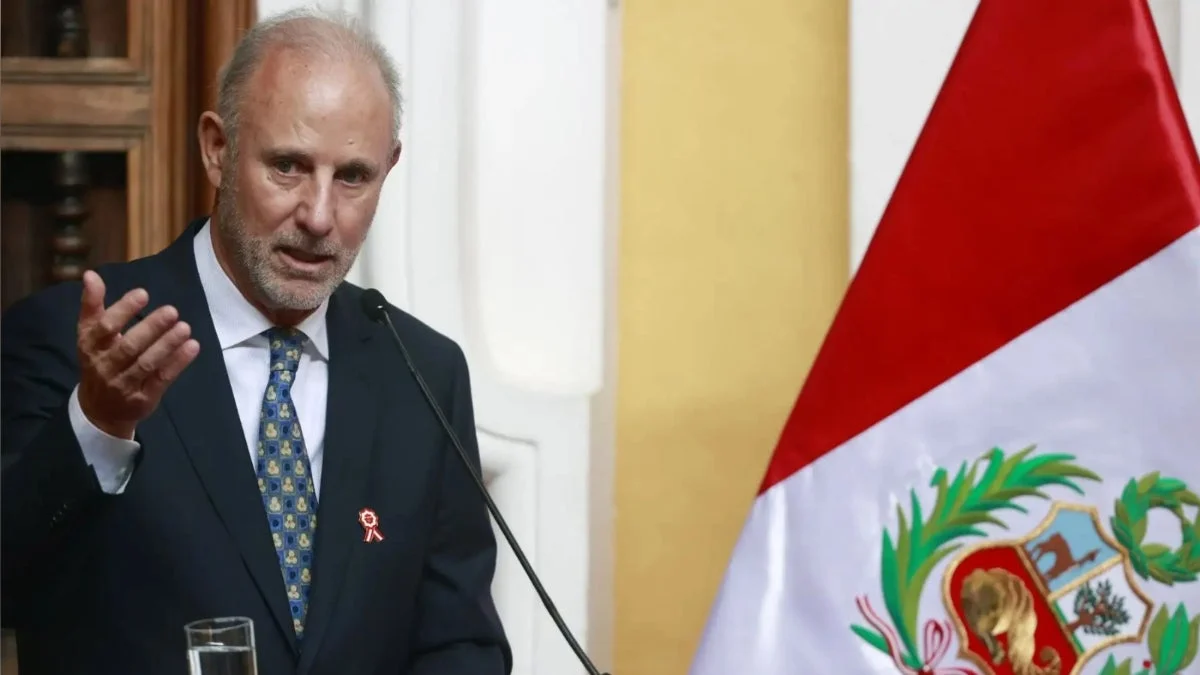
Minister Waldir Ayasta has championed this agreement as a flagship success of his administration’s policy on "Modern and Sustainable Mining." In his official remarks following the signing, Minister Ayasta noted:
"Our goal is not just to reach an agreement, but to build a culture of dialogue. The Hatun Ccollana pact proves that when the state, the community, and the private sector engage in good faith, we can transform potential conflict into a platform for sustainable development."
The ministry emphasized that its ongoing commitment is to act as a permanent monitor. The OGGS will continue to hold quarterly review meetings with both parties to ensure that the "agreements on paper" translate into "benefits on the ground."
Minera Las Bambas
Company representatives expressed satisfaction with the outcome, highlighting that the agreement provides the legal and social certainty required to plan long-term investments. They emphasized that their commitment to the community is not merely a corporate social responsibility (CSR) obligation, but a fundamental component of their operational license to exist in the region.
Community Leadership
Community spokespeople for Hatun Ccollana acknowledged the hard work involved in the process. They noted that the agreement is a first step toward ensuring that their children have access to better education and that their agricultural practices remain protected from the environmental externalities of mining.
Implications: The Future of Mining in Peru
The success of this mediation holds several profound implications for the future of the Peruvian mining sector and the nation’s political economy.
1. A New Model for Conflict Mitigation
This case study is likely to be utilized as a blueprint for other mining projects currently facing social disputes. By moving away from litigation and toward mediated consensus, the government is signaling a shift toward a more sophisticated, decentralized approach to managing the mining corridor.
2. Attracting Sustainable Investment
Investors have long cited social conflict as one of the primary risks of operating in Peru. A string of successful, high-profile agreements like this one serves to stabilize the national risk profile, potentially leading to increased foreign direct investment (FDI) in new exploration and expansion projects.
3. Strengthening Local Governance
A critical aspect of the agreement is the focus on building local capacity. By involving community leaders in the planning and execution of development projects, the agreement strengthens the democratic fabric of the local territory, moving the community away from dependence and toward self-sufficiency.
4. Environmental Stewardship
The agreement also incorporates stronger protocols for environmental monitoring. By involving community members in the oversight of water quality and air standards, the agreement promotes transparency and reduces the likelihood of future disputes based on environmental anxiety.
Conclusion: Sustaining the Momentum
The agreement between Minera Las Bambas and the community of Hatun Ccollana is a testament to the power of structured, facilitated dialogue. However, as the Minister of Energy and Mines, Waldir Ayasta, correctly pointed out, the signing of the document is merely the beginning.
The true test will be the implementation phase. Over the coming years, the ability of both parties to maintain open channels of communication, manage expectations, and remain transparent about their challenges will determine the long-term viability of this partnership. If successful, this model could well redefine the standard for the relationship between the mining industry and indigenous communities across the Andes, proving that economic prosperity and social well-being are not mutually exclusive, but are instead, two sides of the same coin.
As Peru looks toward a future defined by the energy transition—where copper will play a vital role in global decarbonization—agreements such as this one provide the necessary stability to ensure that the nation remains a leading, responsible, and peaceful supplier to the world. The lesson from Hatun Ccollana is clear: the path to progress is paved not with asphalt or ore, but with trust, dialogue, and mutual respect.