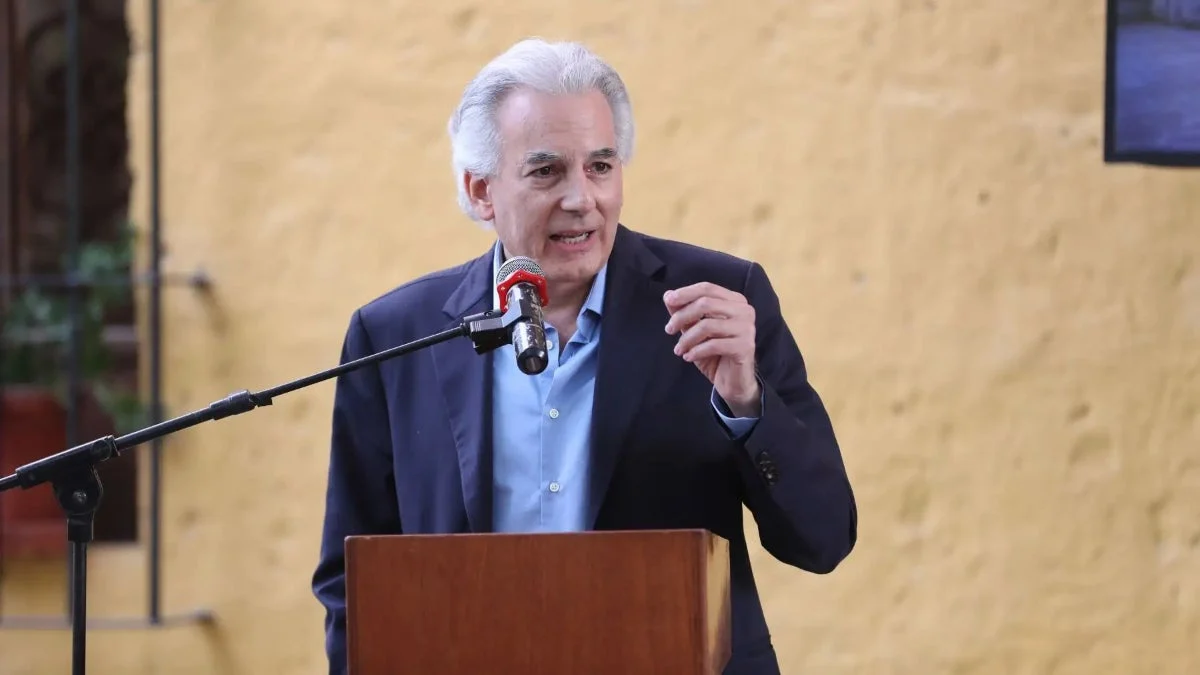
In a significant move aimed at fortifying the diplomatic and economic ties between Lima and Washington, the Peruvian government has officially formalized the appointment of renowned writer and political commentator Álvaro Vargas Llosa as the new Ambassador Extraordinary and Plenipotentiary to the United States. The designation, confirmed through Supreme Resolution N° 173-2026-RE, marks a pivotal shift in Peru’s foreign policy approach, signaling a desire for a high-profile representative capable of navigating the complex geopolitical landscape of North America.
The appointment, which was published in the official gazette El Peruano, bears the signatures of President Keiko Fujimori and Minister of Foreign Affairs Carlos Espá. This decision follows weeks of speculation and high-level internal deliberation, ultimately receiving the unanimous backing of the Council of Ministers in accordance with Article 118 of the Peruvian Constitution, which vests the executive branch with the authority to appoint diplomatic representatives.
Chronology of the Appointment: From Proposal to Officialization
The path to this diplomatic milestone began several weeks ago when the administration of President Keiko Fujimori sought to refresh its diplomatic presence in Washington D.C. The position of Ambassador to the United States is widely considered the most sensitive and influential role in the Peruvian foreign service, given that the U.S. remains one of Peru’s primary trading partners and a key strategic ally in security and regional development.
The Initial Invitation
The public first caught wind of the administration’s intentions during an exclusive interview with President Fujimori on RPP. During the broadcast, the President spoke candidly about the need for an individual who possessed not only diplomatic acumen but also a deep understanding of the ideological and economic currents shaping the Western world. "We have reached out to him, and he has accepted the invitation," Fujimori stated. "I firmly believe that Álvaro Vargas Llosa will be an exceptional ambassador for Peru in the United States."
The Public Acceptance
Following the President’s announcement, Álvaro Vargas Llosa utilized his platform on social media (specifically on X, formerly Twitter) to address the public. His response was measured and professional, highlighting a sense of duty toward the nation. "I will place my experience, my knowledge, and my greatest effort at the service of this mission," he wrote. "My goal is to safeguard the permanent interests of Peru and contribute to this new phase of the bicentennial relationship between our country and the nation of Washington, Adams, and Jefferson."
Legal Formalization
Following the internal vetting process and the formal approval of the Council of Ministers, the Supreme Resolution was signed into law. While the resolution grants the appointment, it also dictates that the administrative transition will conclude with the issuance of credentials and "full powers." The exact date of his arrival in Washington D.C. and his subsequent presentation of credentials to the White House will be determined in a forthcoming Ministerial Resolution.
The Profile of the New Ambassador
Álvaro Vargas Llosa is a figure of considerable international standing. As the son of the late Nobel laureate Mario Vargas Llosa, he grew up at the intersection of literature and high-stakes global politics. Unlike traditional career diplomats, he brings a background rooted in political analysis, journalism, and advocacy for liberal democratic values.
His career has been defined by a consistent defense of free markets, individual liberties, and the rule of law across Latin America. His appointment is widely interpreted by analysts as a "political" designation rather than a bureaucratic one, intended to leverage his extensive network of contacts within the American political establishment and think-tank circles.
Official Responses and Political Context
The appointment has been met with a mixture of enthusiasm from the administration’s base and scrutiny from political observers. The government’s decision to appoint a high-profile intellectual rather than a career diplomat is a calculated risk.
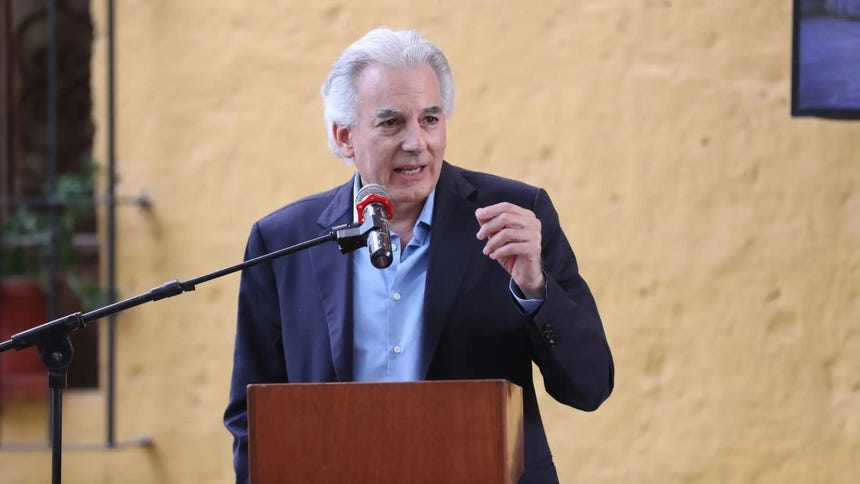
President Keiko Fujimori’s Vision
For the Fujimori administration, the appointment of Vargas Llosa serves several purposes. Firstly, it provides a bridge to the international intellectual community, which is essential for managing Peru’s image abroad. Secondly, it is seen as a move to stabilize diplomatic friction that may have existed in previous years. President Fujimori has emphasized that the strengthening of the bilateral relationship is a priority for the second half of her term, particularly in light of global supply chain shifts and regional instability.
Congressional and Cabinet Support
Minister of Foreign Affairs Carlos Espá has defended the move, asserting that all designations made by the administration adhere strictly to current legal frameworks and constitutional mandates. Despite occasional friction within the legislative branch regarding executive appointments, the Cabinet of Luis Galarreta has maintained that the selection of an ambassador of this caliber is an exercise of presidential prerogative designed to enhance the effectiveness of the Peruvian mission in Washington.
Implications for Bilateral Relations
The appointment of Vargas Llosa arrives at a defining moment for U.S.-Peru relations. The new ambassador will face a demanding agenda that spans several critical sectors.
Trade and Investment
The United States remains one of the largest investors in Peru’s mining, agricultural, and telecommunications sectors. Managing the Peru-U.S. Trade Promotion Agreement (PTPA) and addressing modern challenges like digital trade and sustainable mining practices will be central to the ambassador’s mandate. Vargas Llosa is expected to use his platform to promote Peru as a stable and reliable destination for foreign direct investment (FDI).
Security and Regional Stability
Washington and Lima share deep concerns regarding regional security, including the fight against transnational organized crime and the stabilization of the Andean region. As a vocal critic of authoritarian regimes in the region, Vargas Llosa is expected to align closely with Washington’s stance on democratic governance, potentially leading to a more assertive Peruvian foreign policy in regional forums like the Organization of American States (OAS).
Cultural and Intellectual Diplomacy
Beyond the traditional mandates of an embassy, Vargas Llosa is uniquely positioned to engage in "soft power" diplomacy. His literary background and his ability to communicate complex political ideas in both Spanish and English will likely be utilized to elevate Peru’s cultural profile in the U.S. capital.
The Challenges Ahead
While the appointment has been celebrated by many, the role of an ambassador is inherently fraught with challenges. Vargas Llosa must transition from a role of an independent commentator to that of an official government representative.
- Navigating Washington’s Bureaucracy: Even with his contacts, navigating the complexities of the U.S. State Department and the U.S. Congress requires a disciplined approach.
- Maintaining Neutrality: He will be expected to represent the interests of the Peruvian State, which may occasionally conflict with his previously held personal opinions or the views of his intellectual circle.
- Managing Expectations: The public and the business community will have high expectations for him to deliver tangible results, particularly in terms of trade expansion and political engagement.
Conclusion
The appointment of Álvaro Vargas Llosa as Peru’s Ambassador to the United States represents a significant investment in the future of the Peru-U.S. relationship. By selecting a figure with international recognition and a firm grasp of democratic principles, the administration of Keiko Fujimori is clearly aiming to project an image of a nation that is both stable and strategically aligned with the values of its primary partner.
As the new ambassador prepares to take up his post in Washington D.C., the eyes of the international community will be on his performance. His tenure will likely be defined by his ability to balance his personal intellectual legacy with the rigorous demands of professional diplomacy. Whether this move leads to a "golden age" in bilateral relations or proves to be a complicated transition remains to be seen, but one thing is certain: the appointment of Vargas Llosa has officially signaled that Peru is ready to engage with the United States on a more ambitious and high-profile stage.