By Political Correspondent
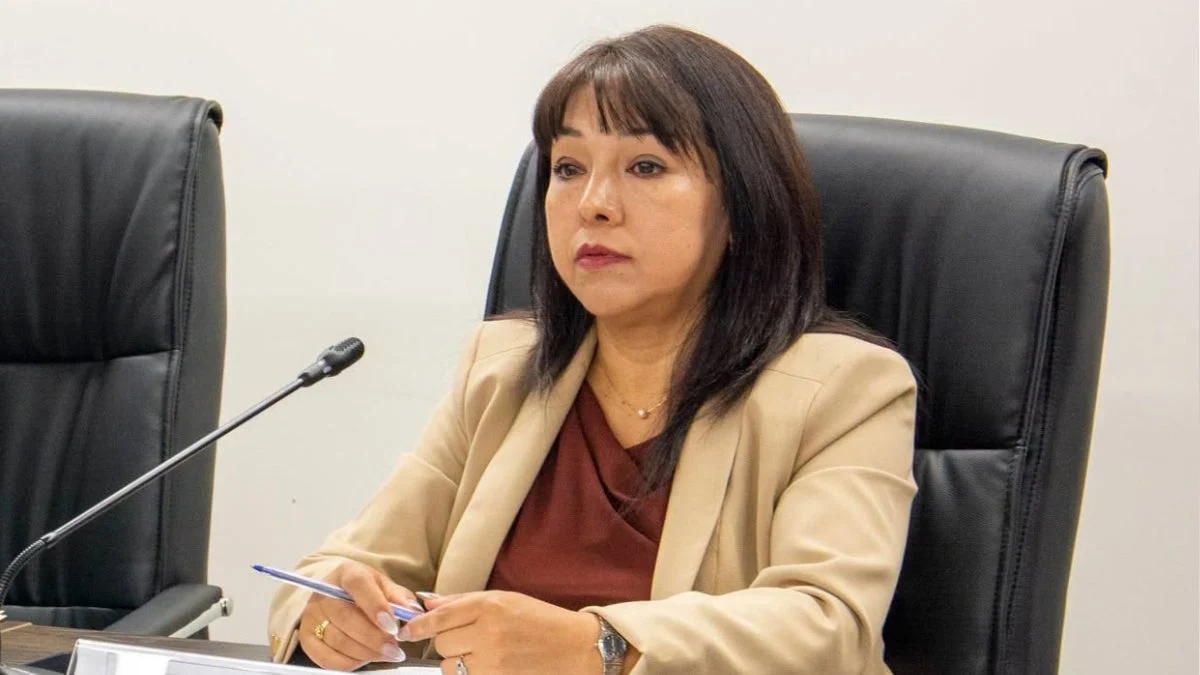
A significant constitutional and procedural controversy has erupted within the halls of Congress, following the Senate’s decision to grant broad legislative powers to the Executive branch. Mirtha Vásquez, a prominent senator representing the Ahora Nación bloc, has leveled sharp criticism against the upper chamber, alleging that the legislative process was fundamentally compromised when the Senate unilaterally disregarded the bill previously approved by the Chamber of Deputies.
The conflict centers on the delegation of legislative faculties concerning public security and the mitigation of the El Niño climate phenomenon. While the substance of the measures is debated, the focus of the current outcry is the erosion of institutional norms and the apparent erosion of the check-and-balance system between the two chambers of the Peruvian legislature.
Main Facts: The Constitutional Disconnect
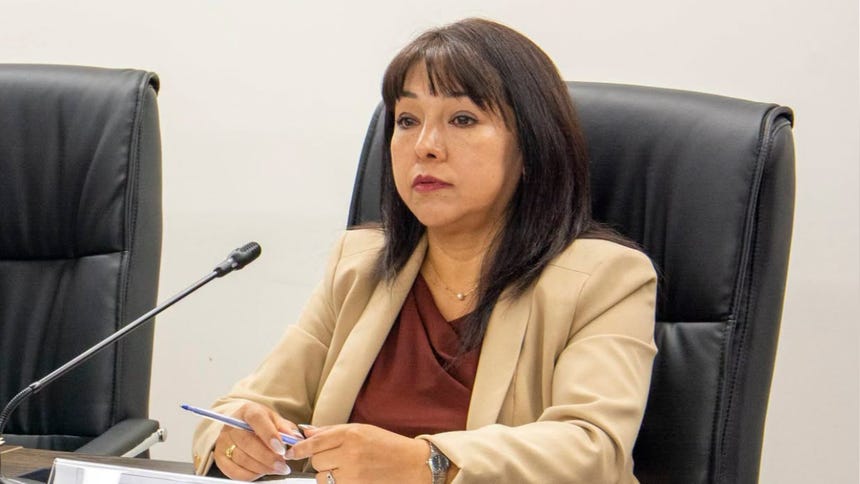
The controversy reached a boiling point this Friday when Senator Mirtha Vásquez appeared on RPP’s Prueba de Fuego to articulate her opposition to the Senate’s handling of the legislative delegation. At the heart of the dispute is the deviation from the original dictamen (report/bill) sent by the Chamber of Deputies.
According to Vásquez, the Chamber of Deputies had meticulously vetted and approved a 20-point framework for the Executive to legislate upon. However, upon reaching the Senate, the Executive branch, bolstered by a coalition of support, successfully added seven additional points to the mandate.
Vásquez argues that this is not merely a procedural adjustment but a dangerous precedent. By effectively bypassing the consensus reached in the lower house and unilaterally expanding the scope of the Executive’s powers, the Senate has signaled that the lower house’s role is advisory rather than foundational. This shift, according to the senator, threatens the integrity of the bicameral structure and invites future manipulation of legislative outputs.
Chronology of the Legislative Clash
To understand the severity of the current impasse, one must look at the recent timeline of events:
- Initial Review (Chamber of Deputies): The original proposal was subjected to committee analysis and plenary debate in the lower house. Deputies reached a consensus on 20 specific areas where the government required emergency legislative faculties.
- Senate Deliberation: Upon reaching the Senate, intense lobbying from the Executive branch began. Negotiations shifted behind closed doors, away from the transparent oversight of the lower chamber.
- The Unilateral Expansion: During the Senate plenary session, the government proposed, and the Senate majority approved, the addition of seven new areas of intervention, bringing the total to 27.
- The Allegation of Cooptation: Following the vote, reports emerged linking the voting behavior of specific blocs—notably Buen Gobierno y Obras—to political appointments within the Executive branch.
- Public Denouncement: On Friday, Mirtha Vásquez broke ranks to publicly condemn both the procedural breach and the alleged "cooptation" of legislative independence.
Supporting Data and Political Context
The legislative delegation is aimed at two critical sectors: Public Security and El Niño mitigation.
- Public Security: The Executive has argued that the current crime wave requires rapid legislative action, bypassing the standard parliamentary process for individual laws.
- El Niño Mitigation: With climate forecasts predicting significant environmental impacts, the government claims it needs the agility to reallocate budgets and authorize infrastructure projects without the delay of congressional debates for each measure.
However, critics like Vásquez argue that "urgency" is being used as a pretext to bypass democratic oversight. The inclusion of seven additional, undefined points allows the Executive to potentially legislate on matters that were never subjected to the scrutiny of the Chamber of Deputies.
Furthermore, the suspicion of "cooptation" is supported by recent administrative appointments. Vásquez pointedly referenced the hiring of the sister of Senator Daniel Barragán (of the Obras bloc) to a position at EsSalud. While the administration frames these as independent technical appointments, Vásquez maintains that "in politics, there are no coincidences," suggesting a transactional relationship between the Executive and specific legislative factions.
Official Responses and Internal Tensions
The administration and the Senate majority have largely remained on the defensive. Supporters of the move argue that the expansion of faculties is a pragmatic necessity to address the country’s dual crises. They claim that the Senate, as the "reflecting chamber," has the prerogative to modify legislation as it sees fit to ensure the effectiveness of the Executive.
However, this justification has not satisfied the opposition. The Ahora Nación bloc maintains that the Senate’s actions have effectively "castrated" the lower house.
The Question of Cooptation
Regarding the allegations of bribery and political favor-trading, the Buen Gobierno y Obras bloc has denied any quid pro quo. They maintain that their support for the Executive was based purely on the technical merits of the security and climate proposals.
Vásquez, however, remains skeptical. During her interview, she defined "cooptation" not as simple bribery, but as a sophisticated system of "persuasion" that undermines the autonomy of representatives. She argued that even if the appointments are legal, the lack of a moral firewall between the senator and the executive branch creates a massive conflict of interest that poisons the legislative process.
Implications: A Precedent for Authoritarianism?
The most profound concern raised by Senator Vásquez is the potential for long-term damage to the legislative branch. By allowing the Senate to unilaterally alter the scope of the Chamber of Deputies’ work, the legislative process becomes susceptible to "Executive drift."
1. Weakening of the Bicameral System
If the Senate continues to treat the Chamber of Deputies’ dictamen as a mere suggestion, the primary function of the lower house—to represent the will of the people and conduct detailed vetting—is severely diminished. This creates a "rubber stamp" culture where the Executive can simply wait for the Senate, where it may hold more influence, to alter laws to its liking.
2. The Normalization of Executive Overreach
Vásquez warned of "attempts at authoritarianism." When the legislative branch yields its primary power—the power of the purse and the power of law-making—to the Executive without robust pushback, it signals a move toward a more centralized, less accountable form of government. This is particularly dangerous in the context of security, where emergency powers can be abused to suppress dissent or bypass civil liberties.
3. Public Trust and Democratic Legitimacy
The perception that votes are being bought with appointments at agencies like EsSalud further erodes public trust. When citizens perceive their representatives as being driven by personal advancement rather than public policy, the legitimacy of the entire democratic framework is called into question.
4. The Path Forward
Senator Vásquez has signaled that the opposition must remain "firm." This implies a potential challenge in the Constitutional Court or a motion to repeal the additional seven faculties. However, the political reality remains difficult. With the government successfully holding a majority, any attempt to roll back these powers will require a massive shift in public opinion and a potential coalition realignment.
Conclusion
The confrontation between Senator Mirtha Vásquez and the ruling coalition is more than a dispute over specific legislative points. It is a fundamental disagreement about the health of the republic. As the government prepares to utilize its expanded faculties, the focus will now shift to how those powers are implemented.
If the Executive uses these tools to enact meaningful reform without abuse, the controversy may subside. However, if the procedural shortcuts lead to further concentration of power, the accusations of authoritarianism—and the concerns regarding the degradation of the legislative process—will likely grow, potentially triggering a broader constitutional crisis in the coming months. For now, the eyes of the nation remain fixed on the Senate, waiting to see if the institution will reclaim its independence or continue to function as an extension of the Executive office.