Introduction: A Race Against Time
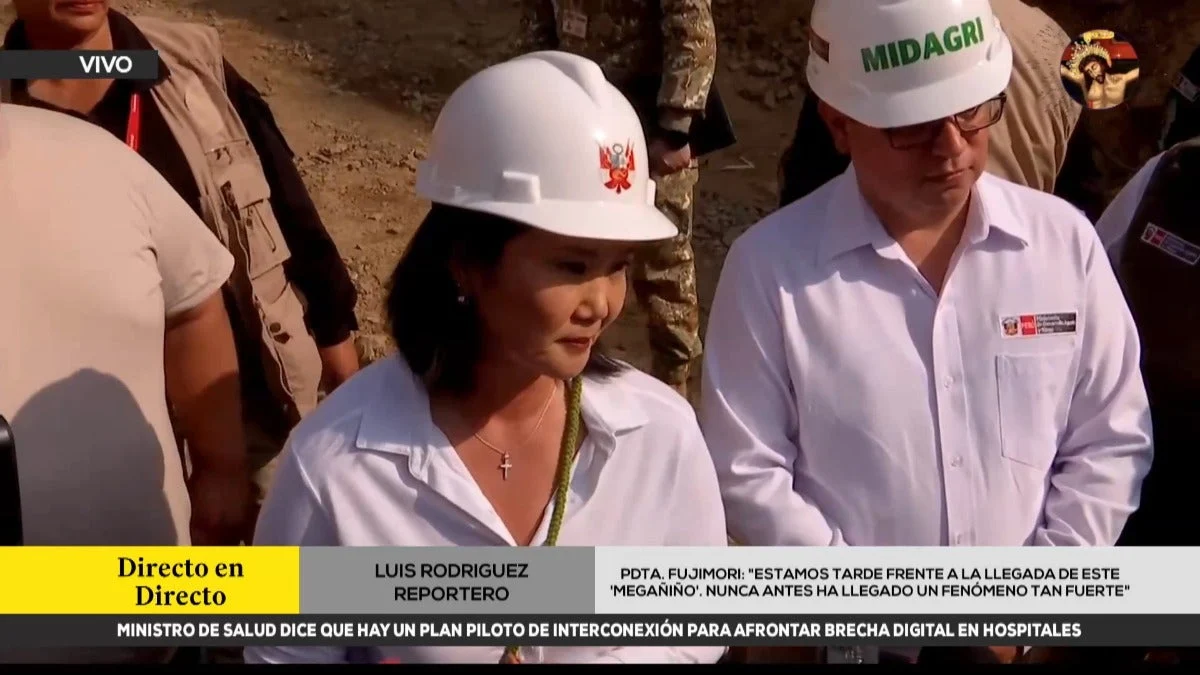
In a sobering address delivered from the rugged terrain of Huarochirí, President Keiko Fujimori issued a dire warning to the nation regarding the imminent arrival of an El Niño phenomenon of historic proportions. Describing the impending climatic event as a "Mega El Niño" with no precedent in recorded history, the President underscored the gravity of the situation, urging an immediate, unified response from all levels of government and, most critically, the voluntary evacuation of citizens residing in high-risk zones.
The President’s visit to the province of Huarochirí served as both a site inspection of critical disaster-mitigation infrastructure and a platform to mobilize public awareness. As the nation braces for potential catastrophe, the administration is emphasizing a "prevention-first" strategy, acknowledging that while the government is deploying advanced engineering solutions, the ultimate safety of the population depends on rapid and decisive action.
Chronology of the Crisis: The Path to Escalation
The concern surrounding the upcoming weather pattern has grown exponentially over the past few weeks. Meteorological models from national and international agencies have consistently signaled a strengthening of sea surface temperatures, suggesting that the impending El Niño will be significantly more severe than the events of 1997-98 or 2017.
- Early Detection: Scientific reports began surfacing months ago, indicating an anomaly in the Pacific currents.
- Government Assessment: Recognizing the severity, the Executive branch initiated an inter-ministerial task force to identify the most vulnerable geographical points, specifically focusing on the Andean foothills and the coastal ravines (quebradas) surrounding the capital.
- Deployment of Infrastructure: In response to the data, the government prioritized the installation of dynamic barrier systems, culminating in the current project in Huarochirí.
- The Huarochirí Inspection: This Thursday, the President conducted a site visit to oversee the installation of geomesh structures, signaling the final phase of defensive preparations before the peak of the phenomenon.
Supporting Data: Engineering Resilience
During her visit to Huarochirí, President Fujimori provided technical details regarding the infrastructure project, which is designed to act as the first line of defense against the expected torrential rains and subsequent mudslides (huaycos).
The Role of Dynamic Geomesh Barriers
The government is installing twelve specialized dynamic geomesh barriers across ten critical ravines in the Huarochirí region. These structures are not static concrete walls but flexible, high-tensile nets designed to absorb the kinetic energy of debris flows.
- Load Capacity: Each barrier is engineered to retain up to 300 tons of rock and sediment.
- Longevity: The structures are built for a lifespan of 50 years, ensuring that they provide long-term protection beyond the immediate scope of the current El Niño event.
- Sustainability: Following a debris flow event, the meshes are designed to be emptied, allowing them to be reset and remain functional for future protection cycles.
- Human Impact: According to official figures, these installations are specifically aimed at securing the safety and integrity of approximately 120,000 families residing in the path of potential natural disasters.
Official Responses and Strategic Mobilization
The President’s message was unequivocal: the scale of the "Mega El Niño" is too vast for the central government to mitigate in isolation. She called for a coordinated effort involving local mayors—both outgoing and incoming—regional authorities, and the civil society.
A Plea for Evacuation
Perhaps the most urgent component of the President’s speech was her direct appeal to the citizenry. She urged those living in high-risk zones—particularly those situated in natural water channels, ravines, and areas prone to landslides—to relocate as a matter of survival.
"We are behind schedule in our preparations for this phenomenon," the President admitted. "This is a ‘Mega Niño’ the likes of which we have never seen. I implore the people living in danger zones to evacuate immediately. We must be conscious that this will hit us all, and while the Executive is working hard, we need every family to take responsibility for their own safety."
The Call for Inter-Governmental Synergy
The President emphasized that the transition between municipal administrations should not lead to a vacuum in disaster preparedness. She stressed that public safety must remain a non-partisan priority, urging current and newly elected officials to work in lockstep to ensure that evacuation routes are clear, emergency supplies are prepositioned, and communication channels with vulnerable populations remain open.
Implications: The Broader Political and Social Landscape
The announcement of the "Mega El Niño" comes at a complex time for the Peruvian administration. The intersection of a national climatic emergency with ongoing legislative debates has created a tense political atmosphere.
Legislative Hurdles and the Senate
Following her address, the President was questioned regarding the recent impasse in the Senate’s Constitution Committee. Reports surfaced that opposition legislators walked out of a session meant to discuss the granting of legislative powers to the Executive branch, thereby stalling the government’s ability to expedite certain emergency decrees.
When pressed for comment on the political disruption, President Fujimori maintained a posture of calculated restraint. "I will not elaborate further," she stated. "I will wait with prudence to see what the Senate defines. My focus, and the focus of my government, remains on the safety of the 120,000 families in Huarochirí and the millions of Peruvians who will be affected by this phenomenon."
Economic and Infrastructure Consequences
The implications of a "Mega El Niño" extend far beyond the immediate risk to human life. Historically, such events have crippled national infrastructure, destroyed agricultural output, and caused significant inflationary pressure on food prices. By investing in resilient infrastructure today, the administration hopes to prevent the total collapse of supply chains and minimize the economic devastation that often accompanies extreme weather in the Andean region.
Conclusion: A Nation on Alert
As the government continues its efforts to reinforce vulnerable areas, the situation serves as a stark reminder of the fragile balance between human development and the power of nature. The "Mega El Niño" is not merely an environmental challenge; it is a test of the country’s institutional strength, the efficiency of its disaster-response mechanisms, and the resilience of its social fabric.
President Fujimori’s visit to Huarochirí stands as a symbol of the administration’s commitment to prioritizing life-saving infrastructure. However, the success of these measures will ultimately be measured by the speed at which the population heeds the call to vacate high-risk areas. As the clouds gather and the climatic models point toward a period of intense instability, the message from the government is clear: the time for preparation has been compressed into a moment of immediate action. The nation now waits to see if the combination of modern engineering and civic responsibility will be enough to withstand what scientists are calling an unprecedented test of nature.
Summary of Key Recommendations for Residents:
- Identify Hazards: Consult with local civil defense offices to determine if your home is in a high-risk zone (ravine, steep slope, or flood plain).
- Prepare Emergency Kits: Ensure you have access to water, non-perishable food, flashlights, and a battery-operated radio.
- Heed Evacuation Orders: Do not wait for the water to rise or the earth to shift; evacuate when advised by authorities.
- Stay Informed: Follow official channels from the national government and meteorological institutes for the latest updates on the movement of the weather phenomenon.