Executive Summary: A New Chapter for Puno
In a significant stride toward sustainable regional development and the stabilization of extractive-community relations, the Ministry of Energy and Mines (MINEM) has successfully facilitated a comprehensive Framework Agreement between the mining company CIEMSA and the District Municipality of Palca, located in the Lampa province of Puno.
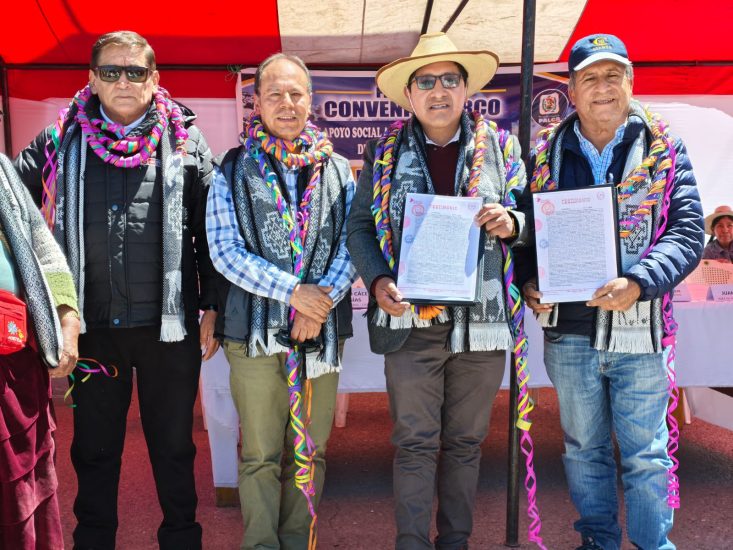
This historic accord, formalized on October 6, 2026, marks the culmination of an extensive dialogue process mediated by the ministry’s Office of Social Management (OGGS). The agreement is not merely a financial transaction; it represents a multifaceted commitment to economic, social, and environmental stewardship, designed to catalyze local growth and ensure that the benefits of the ACOMA mining project are equitably distributed among the residents of Palca, including the community of Suatia.
The Chronology of Dialogue: From Negotiation to Consensus
The path to this agreement was characterized by months of rigorous negotiation and trust-building. Recognizing the historical complexities of the mining sector in the Puno region, the MINEM deployed the Office of Dialogue and Citizen Participation (OGDPC) to serve as a neutral bridge between corporate interests and community aspirations.
- Initial Engagement: Recognizing the potential of the ACOMA project, stakeholders gathered under the auspices of the MINEM to establish a baseline of mutual expectations.
- Structured Consultations: Between mid-2026 and early autumn, representatives from the Municipality of Palca, community leaders from Suatia, civil society organizations, and CIEMSA executives engaged in a series of roundtable discussions.
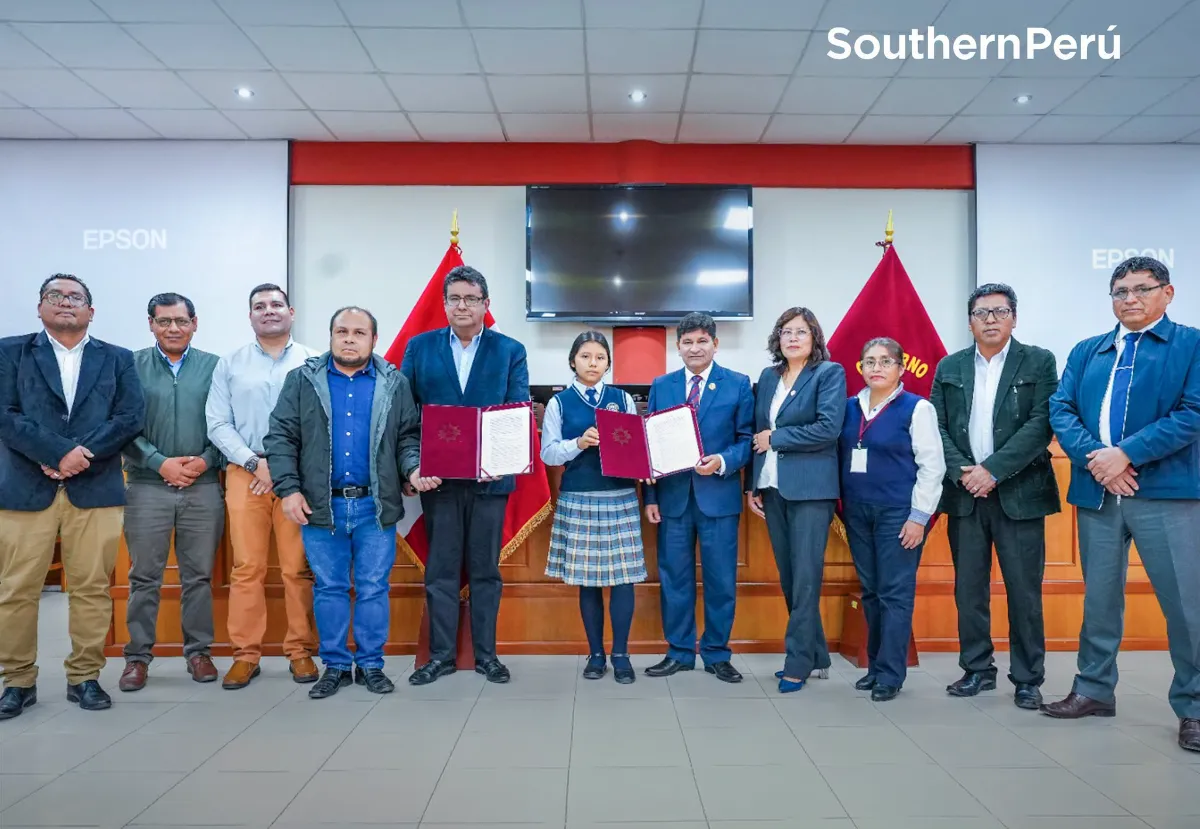
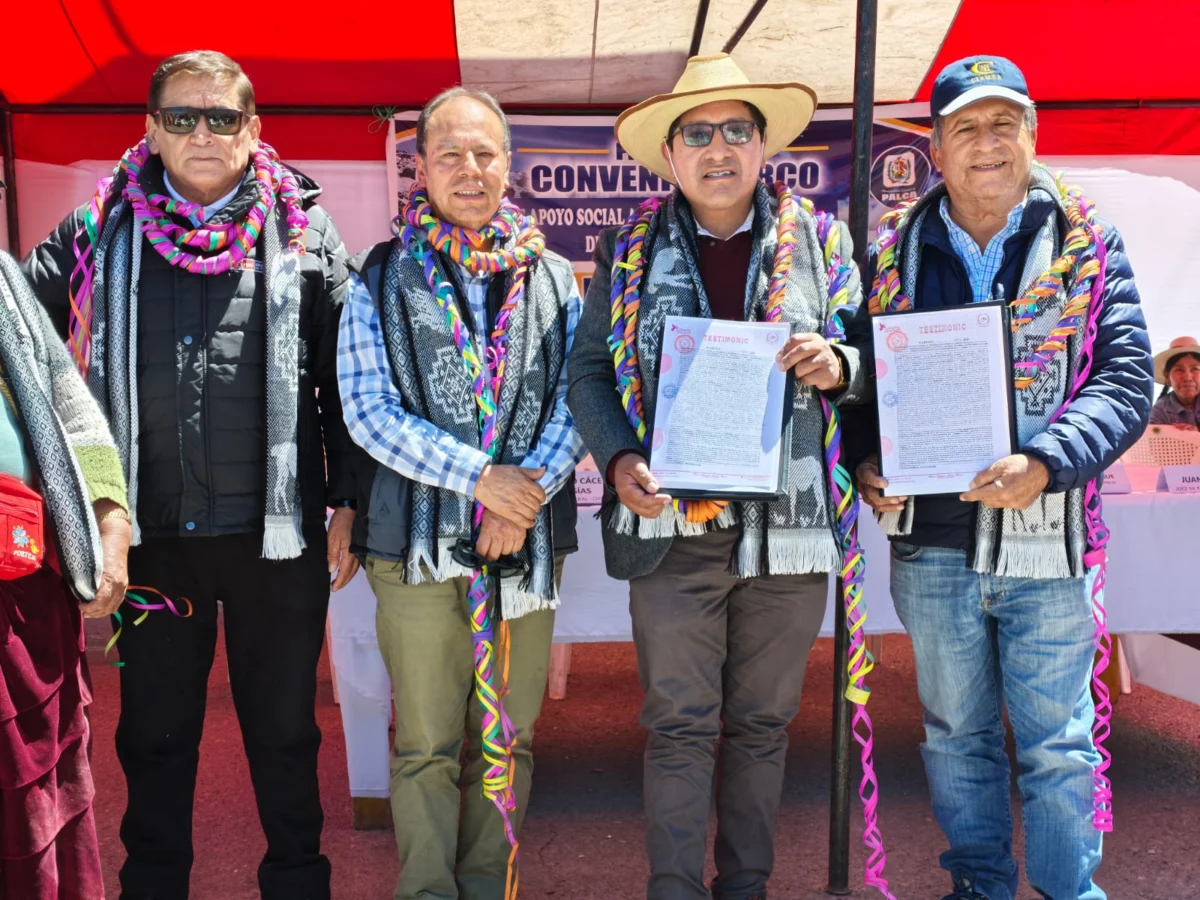
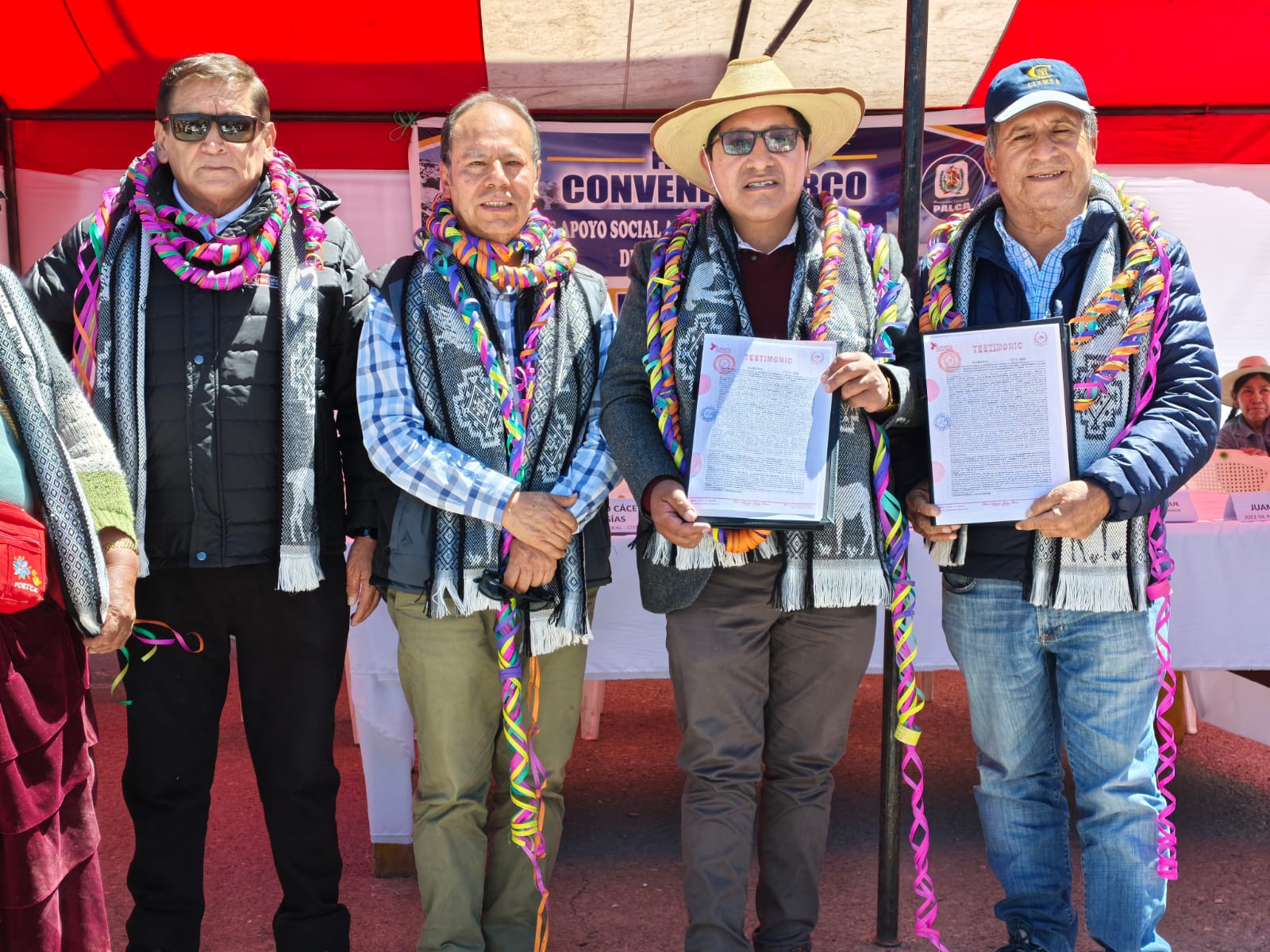
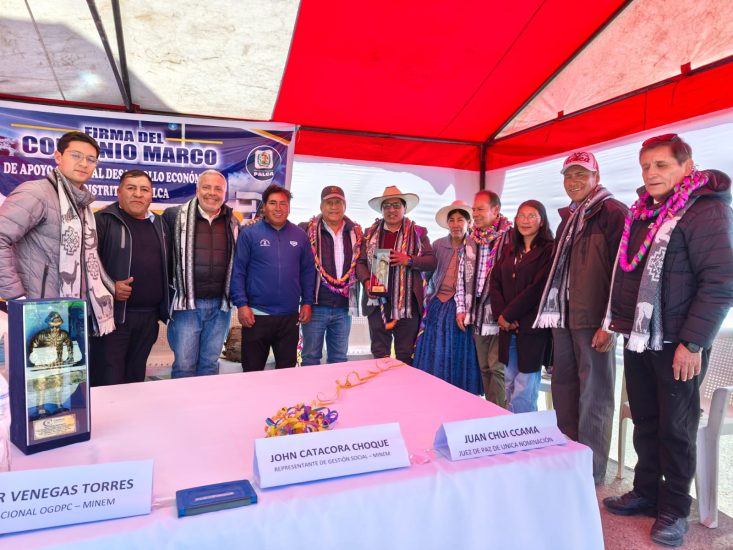
- The Formalization: On October 6, 2026, the process reached its climax. In the presence of a Lampa provincial notary and high-level officials from the MINEM, the parties signed the legally binding framework, setting a precedent for transparent governance in the extractive sector.
Financial Framework: Data-Driven Social Investment
The agreement is underpinned by a robust financial structure that guarantees a predictable stream of resources for the district. The annual contribution of S/ 1.6 million serves as the cornerstone of the economic package.
Breakdown of Annual Contributions:
- Direct Municipal Funding (S/ 580,000): Allocated to the District Municipality of Palca to bolster local government capacity, infrastructure, and public service delivery.
- Responsibility & Development Fund (S/ 900,000): Specifically earmarked for social programs that address health, education, and nutrition, ensuring that the community directly benefits from the project’s success.
- Capacity Building & Human Capital (S/ 120,000): Focused on technical training and professional development to ensure the local workforce is competitive and prepared for the modern mining industry.
Immediate Support and Infrastructure
Beyond the recurring annual payments, the agreement includes a "transition phase" injection of S/ 30,000 to be disbursed between October and December 2026, providing immediate liquidity as the project prepares for the official commencement of concentrate production. Furthermore, CIEMSA has committed to a significant capital investment in equipment, specifically the donation of a high-capacity retroexcavadora valued at approximately US$ 110,000. This machinery is intended to improve local civil works, road maintenance, and agricultural infrastructure in the district.
Empowering the Local Workforce: Social and Economic Integration
A critical component of the agreement is the prioritization of the "local content" model. CIEMSA has committed to a policy of favoring local employment and local service providers, ensuring that the economic ripple effects of the ACOMA unit remain within the Puno region.
Capacity Building Initiatives:
The agreement moves beyond simple job creation to emphasize long-term skill acquisition. Key pillars include:
- Scholarship Programs: Providing financial support for the youth of Palca to pursue higher education.
- Pre-Professional Internships: Opening the doors of the mining site to local students, allowing them to gain technical experience in a real-world environment.
- Procurement Preferences: Establishing a framework where local businesses are vetted and given the "first right of refusal" for service contracts, effectively decentralizing the supply chain.
Environmental Stewardship and Transparency
Environmental concern is paramount in the Puno region, and the agreement incorporates strict oversight mechanisms to safeguard the ecosystem.
The Monitoring Framework:
The contract mandates the execution of four participatory environmental monitoring cycles per year. These audits will not be performed in isolation by the company; rather, they involve community representatives, ensuring transparency and accountability.
Reporting and Governance:
CIEMSA is legally obligated to submit biannual reports to the OGGS-MINEM. These reports must detail the progress of the social commitments, the status of the environmental monitoring, and any obstacles encountered. This institutional oversight ensures that the commitments made on paper translate into tangible results on the ground.
Official Perspectives: The Role of MINEM
The Ministry of Energy and Mines has framed this agreement as a model for "preventive conflict management." By institutionalizing the dialogue process, the ministry aims to move away from the reactive nature of previous social conflicts in the mining sector.
"Our goal is to foster a relationship that is fundamentally harmonious," a spokesperson for the OGDPC stated. "By creating formal mechanisms for feedback and monitoring, we ensure that grievances are aired and resolved long before they escalate into unrest. This agreement provides the ‘rulebook’ for a cooperative future."
The MINEM’s ongoing involvement acts as a guarantor of the agreement, reinforcing the idea that the state serves as a mediator rather than just a regulator. This proactive stance is seen by industry analysts as a vital step in maintaining the stability of the mining sector in southern Peru.
Broader Implications: A Catalyst for Regional Development
The signing of this agreement between CIEMSA and the District of Palca sends a clear signal to both the mining industry and local communities across Peru: Development is a shared responsibility.
For the Mining Sector:
For companies like CIEMSA, the agreement demonstrates that investing in social infrastructure is not just a moral obligation but a strategic necessity. By securing the "social license to operate" through formal, documented, and transparent investment, the company mitigates the risk of operational disruptions, thereby protecting shareholder value and ensuring project continuity.
For the Community:
For the people of Palca and Suatia, this agreement offers a tangible path to prosperity. The combination of direct funding for municipal works, equipment for development, and education for the next generation provides the building blocks for a post-mining economy that can sustain the community long after the ore is extracted.
The Macro View:
This model aligns with the national government’s broader strategy to integrate rural districts into the national economy through responsible extractive activity. In a province like Puno, which faces unique socio-economic challenges, the success of the ACOMA project under these terms could serve as a blueprint for other districts navigating the complexities of modern mining.
Conclusion: The Path Forward
The agreement signed on October 6, 2026, is a landmark achievement that balances the technical requirements of industrial production with the humanitarian needs of the local population. As the project moves toward its production phase, the success of this initiative will be measured by the consistency of the dialogue and the quality of the project implementation.
With the active participation of the community, the continued oversight of the MINEM, and the corporate commitment of CIEMSA, the District of Palca stands at the threshold of a new era. It is an era defined by cooperation, where the wealth extracted from the earth is used to build the foundations of a more resilient and prosperous society. The coming months will be critical as the first wave of investments and monitoring programs begin, but for now, the stakeholders have succeeded in choosing a path of constructive engagement over confrontation.