Lima, Peru – A significant stride has been made in the development of Lima and Callao’s vital public transportation infrastructure, with the San Marcos station of Metro Line 2 reporting an impressive 82% overall progress. This advancement, detailed by the Ministry of Transport and Communications (MTC) through its General Directorate of Transport Programs and Projects (DGPPT), signals a crucial step towards enhancing urban mobility in the Peruvian capital. The San Marcos station, a key component of the ambitious Line 2 project, has seen its civil works reach a remarkable 96% completion, while architectural endeavors stand at 65%. This combined progress underscores the project’s momentum and its nearing realization.
The San Marcos station is strategically positioned to serve a substantial demographic, most notably over 45,000 students attending the Universidad Nacional Mayor de San Marcos. The station’s future operational status promises to revolutionize their daily commutes, offering a swifter, safer, and more reliable means of accessing their educational institution. This directly addresses a long-standing need for improved connectivity and reduced travel times for a significant segment of Lima’s urban population. The broader implications of Line 2 extend far beyond this immediate benefit, aiming to fundamentally reshape how citizens navigate between the districts of Ate and Callao.
Main Facts and Project Overview
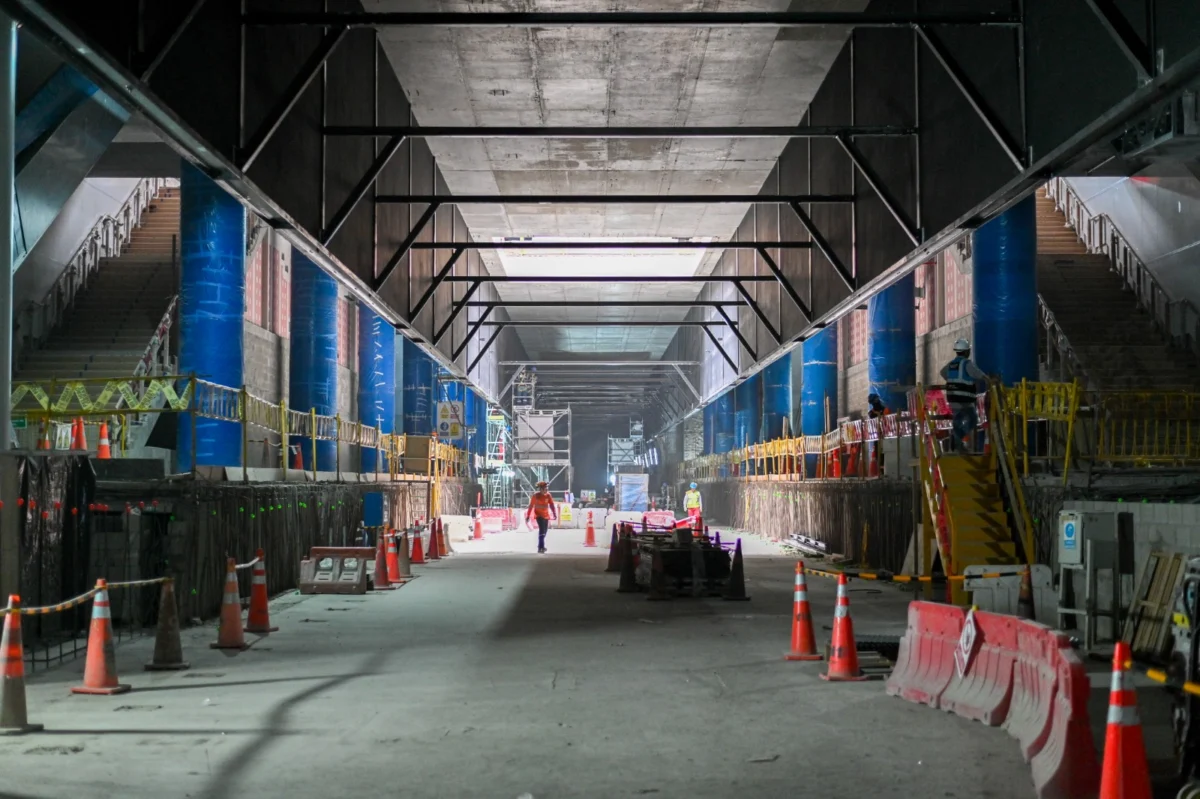
The Ministry of Transport and Communications (MTC), acting through the General Directorate of Transport Programs and Projects (DGPPT), has provided an update on the progress of the San Marcos station, a critical element of the Lima and Callao Metro Line 2. As of the latest reporting, the station’s civil engineering works have reached an advanced stage of 96% completion. Concurrently, architectural aspects of the station are at 65% completion, contributing to an overall project advancement of 82%. This substantial progress indicates that the station is steadily moving towards its operational phase, a development eagerly anticipated by the residents of Lima and Callao.
The San Marcos station’s strategic location makes it a vital hub for commuters, particularly for the academic community. It is projected to benefit over 45,000 students from the Universidad Nacional Mayor de San Marcos, offering them a dramatically improved transit experience. The Line 2 project, in its entirety, is designed to create a modern, efficient, and secure transportation network connecting the sprawling district of Ate in the east to the historic port city of Callao in the west. This connection is expected to significantly reduce travel times across the metropolitan area, alleviating congestion on existing road networks and providing a much-needed alternative for thousands of daily commuters.
The San Marcos station is part of the second phase of Line 2, a comprehensive undertaking that encompasses ten additional stations. These stations are distributed across the Callao region and the Cercado de Lima (Lima’s historic center). The stations included in this phase are: Puerto del Callao, Buenos Aires, Juan Pablo II, Insurgentes, Carmen de la Legua, Óscar Benavides, Elio, La Alborada, Tingo María, and Parque Murillo. A notable aspect of this phase is the high level of completion in civil works across all these stations, with each reporting over 95% progress. This indicates a synchronized advancement across multiple fronts of the Line 2 project.
Chronology of Key Developments
While the provided text does not offer a detailed historical timeline, the current announcement of the San Marcos station’s 82% overall progress implies a sustained period of construction and development. The mention of specific completed works, such as excavation and the construction of the deck slab, which involved formwork, steel reinforcement, and concrete pouring, suggests a phased approach to construction. The ongoing activities, including waterproofing of the structure, installation of emergency stair railings, and finishing of walls and sidewalks, point to the progression through distinct construction stages.
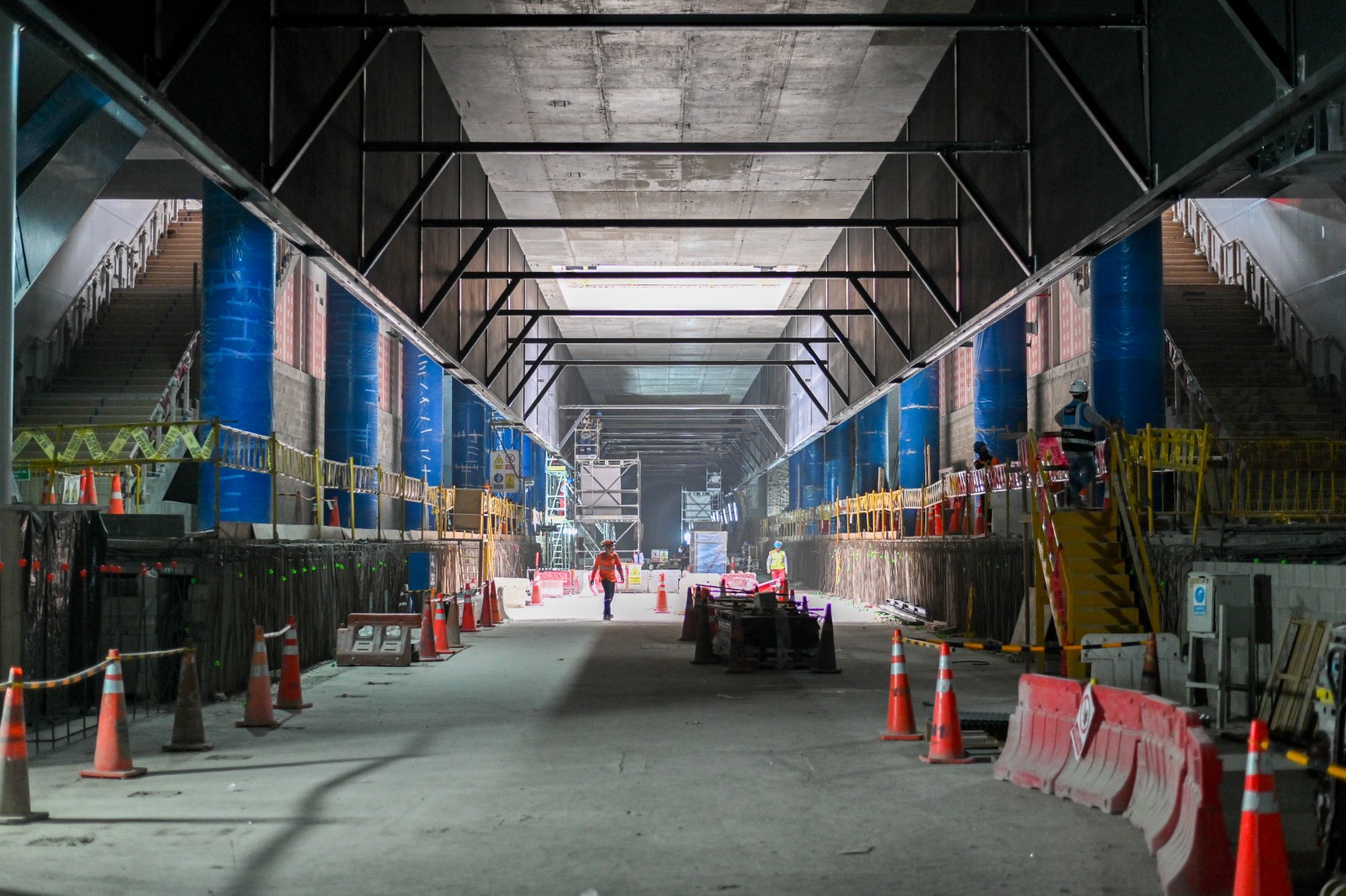
The excavation and construction of the deck slab represent foundational elements of the station’s underground structure. The subsequent waterproofing phase is crucial for ensuring the long-term integrity and safety of the subterranean infrastructure, protecting it from water ingress and its potential damaging effects. The current focus on architectural elements, such as vestibule work and the installation of safety features like railings, indicates a transition from heavy civil engineering to the more refined aspects of station finishing, preparing it for passenger use.
The inclusion of San Marcos station in "Etapa 2" (Stage 2) of the project suggests that other phases of Line 2 have been, or are being, developed concurrently or sequentially. The fact that all stations within Stage 2 have achieved over 95% civil works completion highlights a concentrated effort and efficient management of resources across multiple construction sites. This coordinated approach is vital for a project of this magnitude, aiming to deliver a connected and functional transit system.
Supporting Data and Technical Details
The progress at the San Marcos station is quantified by specific percentage achievements in its civil and architectural works. The 96% completion in civil works signifies that the substantial structural elements of the station are largely in place. This includes the underground tunnels, the station platforms, and the main structural framework. The excavation process, a monumental undertaking in itself, would have involved the removal of vast quantities of earth and rock to create the subterranean space for the station. The construction of the deck slab, a critical load-bearing element, demonstrates the completion of the station’s overhead structure, which will eventually support surface-level infrastructure.
The 65% progress in architectural works indicates that the interior and exterior finishing touches are well underway. This encompasses a wide range of activities, from the installation of interior finishes like flooring, tiling, and wall coverings, to the fitting of lighting systems, ventilation, and public information displays. The current focus on waterproofing is a testament to the meticulous attention to detail required in underground construction, ensuring durability and preventing future issues. The installation of metal railings on emergency staircases addresses crucial safety requirements, a paramount concern for public transportation facilities. Work on the station’s vestibule, the main entry and exit point, is also actively progressing, signifying the imminent completion of passenger access areas.
The broader context of Line 2’s impact is underscored by the projected connectivity between Ate and Callao. This roughly 35-kilometer route will significantly reduce travel times, with estimates often suggesting journeys that currently take over an hour could be completed in under 30 minutes once the line is fully operational. This efficiency gain is a direct result of the underground, grade-separated nature of the metro, which bypasses the notorious traffic congestion that plagues Lima’s surface streets. The project’s total investment and the number of trains and stations involved further illustrate the scale of this undertaking, which is designed to serve millions of passengers annually.
Official Responses and Project Vision
The MTC, through the DGPPT, has consistently emphasized the strategic importance of Line 2 in modernizing Peru’s urban transportation landscape. Their statements highlight the government’s commitment to providing efficient, safe, and sustainable mobility solutions for the citizens of Lima and Callao. The progress updates serve not only as informational reports but also as reassurances of the project’s continued advancement and the authorities’ dedication to its timely completion.
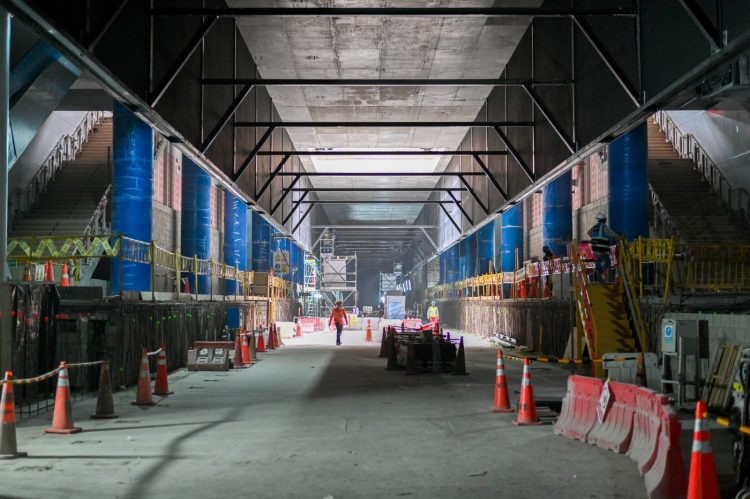
The vision behind Line 2 extends beyond mere passenger transport; it is a catalyst for urban development and economic growth. By improving connectivity, the project aims to unlock new economic opportunities, facilitate easier access to employment centers, and enhance the overall quality of life for residents. The MTC’s proactive communication regarding project milestones, such as the significant progress at the San Marcos station, underscores a commitment to transparency and public engagement.
The government’s stance is that Line 2 represents a significant leap forward in addressing Lima’s chronic transportation challenges. The project is seen as a cornerstone of urban planning, designed to accommodate the city’s growing population and to foster a more sustainable and integrated urban environment. The emphasis on modern technology and efficient operational management further signals an ambition to establish a world-class public transit system in Peru.
Implications and Future Outlook
The near-completion of the San Marcos station and the advanced state of other stations in Stage 2 have profound implications for the future of urban mobility in Lima and Callao. The most immediate impact will be the significantly reduced travel times for tens of thousands of students and other commuters. This improved accessibility will likely foster greater economic and social integration between different parts of the metropolitan area.
Beyond the direct benefits to commuters, the full operationalization of Line 2 is expected to have a ripple effect on urban development. Areas around the stations are likely to experience increased commercial activity and residential development, transforming into vibrant urban centers. The reduction in surface traffic congestion will also contribute to improved air quality and a more pleasant urban environment.
The success of Line 2 serves as a crucial precedent for future large-scale infrastructure projects in Peru. It demonstrates the capacity to plan, fund, and execute complex urban development initiatives. As the project progresses towards its final stages, the focus will inevitably shift towards operational readiness, including the testing of train systems, signaling, and station operations. The MTC’s continued oversight and commitment will be paramount in ensuring that Line 2 meets its full potential as a transformative public service. The ultimate goal is to provide a reliable, efficient, and modern transportation backbone for one of South America’s largest and most dynamic metropolitan areas.