The Peruvian construction sector, a vital engine of the national economy, is bracing for a complex transition as it moves from the close of 2026 into the challenges of 2027. While analysts project a robust finish to the current year, the specter of the El Niño Phenomenon (FEN) looms over the immediate horizon, threatening to disrupt supply chains, escalate operational costs, and force a recalibration of both public and private investment strategies.
As the industry navigates this intersection of climate risk and economic transition, stakeholders are looking toward the second half of 2027 for a meaningful recovery. The following report provides a comprehensive analysis of the forces shaping the construction landscape in the coming months.
Main Facts: The Current Economic Landscape
According to data provided by Macroconsult, the construction sector is poised to conclude 2026 with an impressive growth rate of approximately 10%. This performance has been anchored primarily by the resilience and dynamism of private investment, which has acted as the primary driver during the initial months of the year.
Conversely, the public sector has faced stagnation, failing to provide the expected stimulus to balance the overall growth trajectory. Looking ahead to 2027, the outlook remains cautiously optimistic, with a projected expansion of over 5%. However, this forecast is heavily caveated by the expected impact of the FEN, which is likely to depress activity during the first half of the year. Experts suggest that the sector will face a "three-fold moderation" in 2027:
- A Higher Base of Comparison: The strong performance of 2026 makes percentage growth harder to sustain at previous rates.
- Institutional Transitions: The onset of new regional and local government administrations often triggers a temporary slowdown in public procurement and project management.
- Climate Instability: The meteorological phenomenon is expected to create significant logistical bottlenecks.
Chronology: A Roadmap of Expectations
The industry’s trajectory over the next 18 months can be categorized into three distinct phases:
Phase I: The Storm Front (January – April 2027)
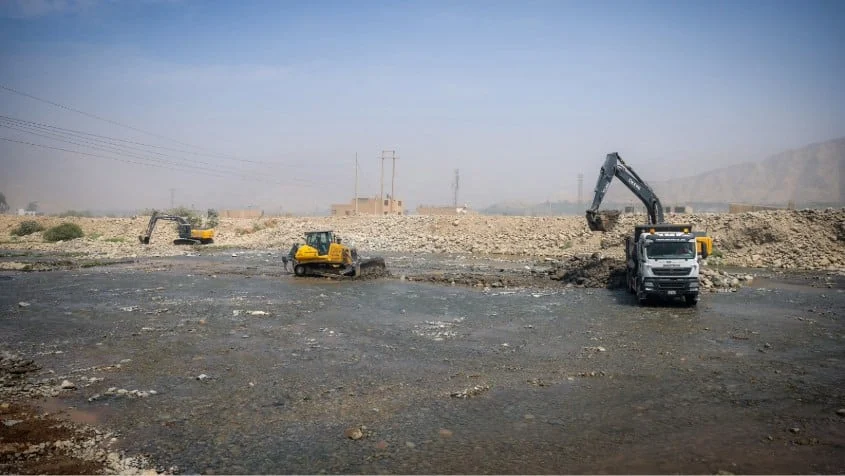
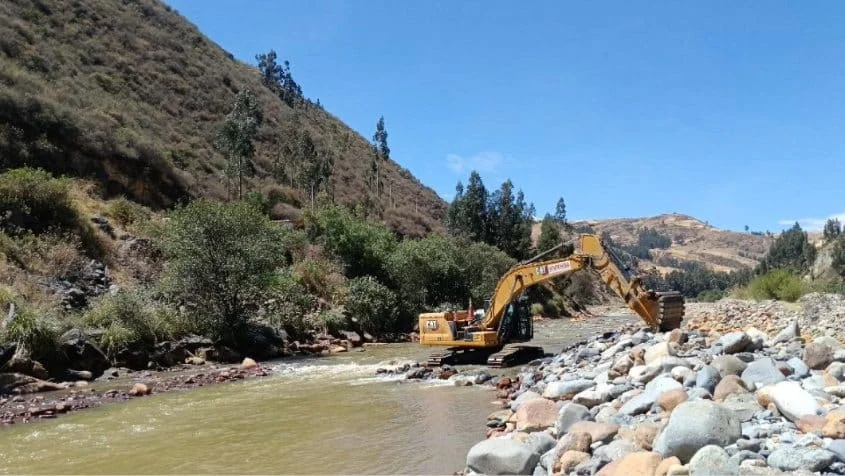
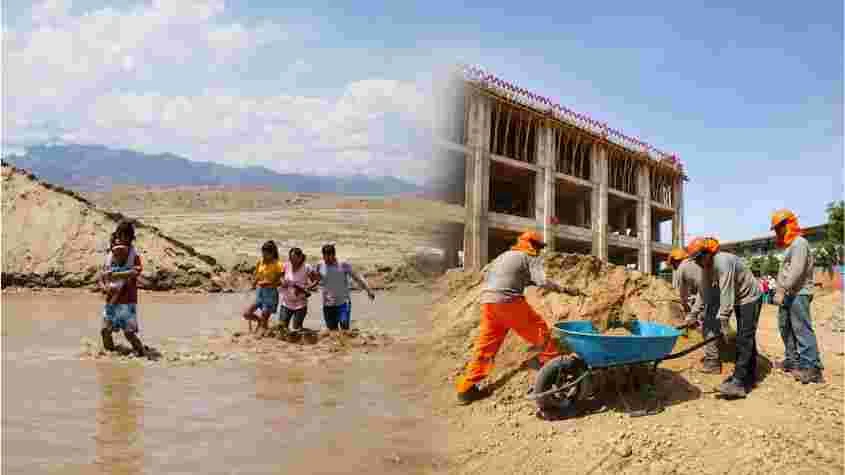
This period represents the highest level of risk. Macroconsult anticipates that the peak of the FEN will manifest through extreme precipitation in the North Coast, Central Coast, and the northwestern highlands. During these months, the industry expects a contraction in productivity as work sites in vulnerable areas are forced to pause operations to prevent safety hazards and structural damage.
Phase II: The Logistics of Resumption (May – July 2027)
The industry expects a transition phase starting in the second quarter. As rainfall subsides, the focus will shift from emergency management to the reorganization of logistics. César Candela, director of the National Society of Construction and Infrastructure (SNCI), notes that "there is a distinct difference between restarting a work site and reaching full operational capacity." This period will be characterized by the clearing of debris, the repair of access roads, and the realignment of project schedules.

Phase III: Consolidation and Growth (August – December 2027)
By the third quarter, the sector is expected to enter a phase of normalization. If the damage to infrastructure is contained within manageable limits, the industry anticipates a return to historical productivity levels. This period is projected to see the release of pent-up demand in both private residential construction and major public infrastructure works.
Supporting Data: Regional and Sectoral Vulnerabilities
The geographical impact of the FEN is expected to be uneven. Regions such as Tumbes, Piura, Lambayeque, and La Libertad are at the highest risk, alongside vulnerable sectors in Áncash, Lima, and Ica.
Impact on Project Costs
The cost of construction is expected to face upward pressure due to:
- Supply Chain Interruptions: The flooding of key transport corridors will likely increase the cost of transporting cement, steel, and heavy machinery to remote sites.
- Resource Reallocation: Public budgets currently earmarked for long-term infrastructure may be diverted to immediate disaster relief and emergency road repairs.
- Productivity Losses: The necessity of performing remedial work on unfinished structures will increase the man-hours required for project completion, directly impacting profit margins for contractors.
Official Responses and Industry Perspectives
The Role of Private Investment
Despite the meteorological challenges, the private sector remains the engine of the industry. Javier Amézaga, Vice President of the Board at Cosapi, emphasizes that private building construction will concentrate a significant portion of market demand in the first half of 2027.
"Mining remains the indisputable engine of large-scale construction in the country," says Amézaga. Projects such as Tía María, the optimization of the Cerro Verde facility, Pampa del Pongo, and various brownfield expansions within existing mining units are expected to provide a consistent pipeline of work that is generally better insulated from minor climate fluctuations than small-scale public infrastructure.
The Institutional Hurdle
Macroconsult notes that while private projects tend to follow long-term financial commitments that are resistant to short-term disruptions, public sector projects are highly sensitive to administrative changes. With new local and regional authorities taking office, the learning curve associated with new management teams, combined with the budgetary strain of the FEN, could push some public works into 2028.
Building for Resilience
The SNCI has issued a clarion call for a shift in how infrastructure is conceptualized in Peru. César Candela stresses that the industry must move beyond "reconstruction" and toward "resilience." This involves incorporating climate-proof design standards into the early stages of infrastructure development. Projects that are currently in the pre-investment phase must prioritize soil stabilization, improved drainage systems, and structural redundancy to ensure that they can survive the increasingly frequent cycles of the FEN.

Implications: Strategic Recommendations for Stakeholders
For Private Contractors
Companies operating in the Peruvian market should adopt a "climate-sensitive logistics" approach. This includes:
- Strategic Stockpiling: Maintaining larger inventories of materials in secure, high-ground locations before the onset of the rainy season to mitigate potential road closures.
- Contractual Flexibility: Ensuring that construction contracts include "force majeure" clauses that clearly define the roles and responsibilities regarding climate-related delays and cost overruns.
- Portfolio Diversification: Balancing high-risk public infrastructure bids with more stable, long-term mining and private industrial projects.
For Government Entities
The transition period for new administrations is a critical juncture. The national government must provide:
- Technical Assistance: Supporting municipal and regional governments in navigating the complex procurement processes to ensure that projects do not stall during the leadership transition.
- Emergency Budgetary Frameworks: Establishing pre-approved funding mechanisms for rapid infrastructure repair, preventing the need for the ad-hoc reallocations that historically delay essential work.
- Early Warning Integration: Integrating meteorological data directly into the project management life cycle, allowing for temporary work halts that are planned and optimized rather than reactive and chaotic.
The Long-Term Outlook
Despite the immediate risks posed by the 2027 climate forecasts, the long-term outlook for the Peruvian construction industry remains fundamentally strong. The country’s commitment to major mining developments and the urgent need to close the infrastructure gap ensure that demand for construction services will persist.
The sector is currently in a state of maturation. The lessons learned during the 2026 growth surge and the anticipated challenges of the 2027 rainy season will likely serve as a catalyst for professionalization. If the industry can successfully navigate the coming months, the consolidation expected in the third quarter of 2027 could serve as the foundation for a more resilient and tech-forward construction sector in the years that follow.
Ultimately, the key to success in 2027 will not just be the ability to build, but the ability to anticipate. By integrating climate risk into the core of project planning, Peru’s construction leaders can ensure that the country remains a competitive and reliable partner for global investors, even in the face of an unpredictable climate.